Real estate investment trusts are starting to look like the kind of steady compounding machine retirement investors have been waiting for, with the sector’s main funds breaking out as rates, earnings breadth and market appetite all improve at once.
REIT ETFs Regain Momentum as Rates Stabilize

That matters because REITs have spent much of the past few years fighting a nasty combination of higher borrowing costs and skepticism about property values. Now the picture is changing. Vanguard Real Estate ETF, the broad REIT proxy, has climbed to about 97.83 from 85.60 less than a year ago, while the iShares U.S. Real Estate ETF is up to 103.91 from 92.20 and the Schwab U.S. REIT ETF has rallied to 24.04 from 20.21. Those are not just price pops; they suggest investors are beginning to price in a more durable earnings backdrop for property owners.
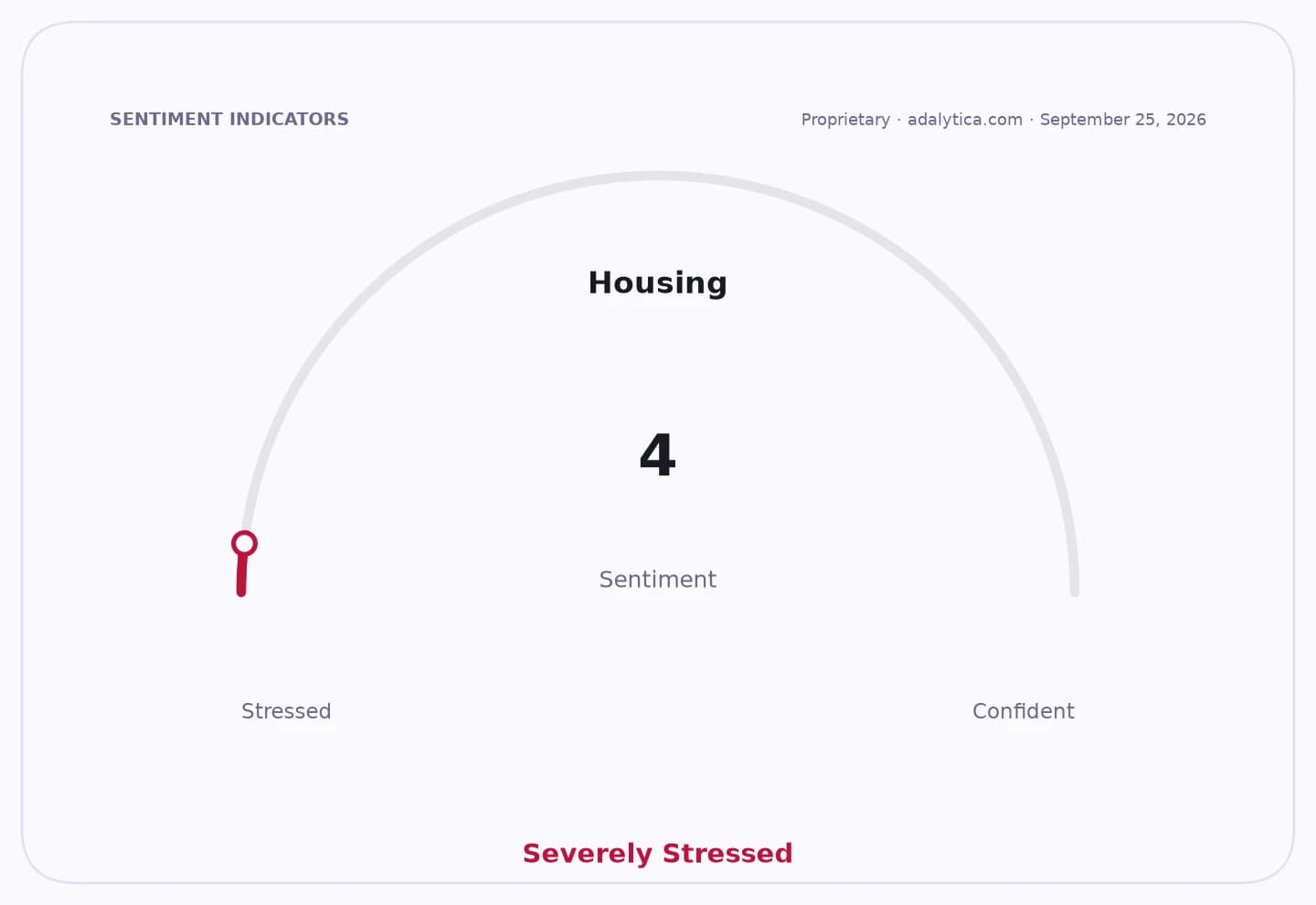
Sentiment IndicatorsⓘProprietary · adalytica.com · July 14, 2026
This is a snapshot — live sentiment, awareness and momentum for 130+ markets update continuously in the dashboard.Open AlphaPulse

For long-term investors, that is the real story. REITs can be powerful retirement holdings because they combine income, diversification and the potential for capital appreciation when financing conditions stop worsening. A sector that had been trapped under pressure from the bond market is now showing signs of healing. VNQ is trading above both its 50-day and 200-day moving averages, while IYR and SCHH are doing the same. Momentum readings such as RSI have cooled from earlier overheated levels, but the trend remains constructive rather than exhausted. In plain English: this is no longer a broken sector trying to recover; it is a sector that is rebuilding.
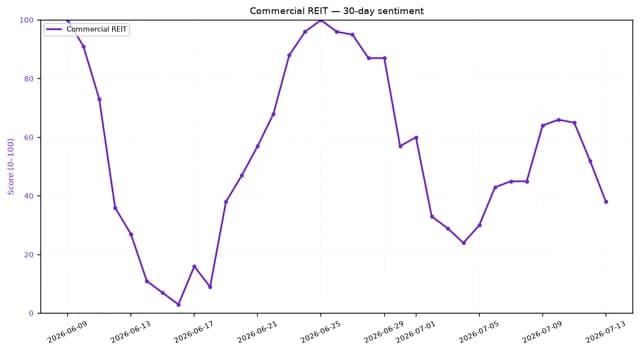
The macro backdrop helps explain why. Adalytica’s commercial REIT sentiment snapshot shows neutral sentiment but extreme awareness, a sign that investors are paying close attention even as positioning shifts quickly. At the same time, Treasury-bond trade signals are in extreme fear territory, a reminder that rate expectations are still unsettled and that REITs remain sensitive to every move in financing costs. That tension is exactly why the opportunity exists. If yields stabilize or ease, REIT cash flows and valuations could have room to rerate further.
The broader market backdrop is also improving for a retirement-style REIT strategy. Morgan Stanley strategists are calling for a broader equity rally as earnings strength spreads beyond technology. That matters for REITs because a healthier labor market, stronger business investment and firmer corporate confidence tend to support demand for office, industrial, data-center and retail space over time. In other words, the rally is no longer just about AI and megacap growth. It is broadening into the kind of economy that can support more reliable income assets.
Investors should still remember that not all REITs are equal. The safest long-term approach is not chasing the hottest name, but owning a diversified basket of quality property companies through a fund like VNQ, IYR or SCHH and holding it for years, not months. That gives you exposure to many property types and reduces the risk that one troubled niche ruins the retirement thesis. If you want income with staying power, you want diversification, balance-sheet discipline and the patience to let dividends reinvest.
There are risks, of course. If rates move sharply higher again, REIT valuations could wobble. And some property segments will recover much faster than others. But for investors building wealth over a decade or more, the setup is getting more attractive, not less. The market is telling us that real estate may be moving from a rate-squeezed story to an earnings-and-income story.
For retirement-minded investors, that is worth watching closely. In a portfolio built to compound for the long haul, a broad REIT fund belongs on the short list of assets that can still generate income while the market works through its next cycle.
| Entity | Gains | Losses |
|---|---|---|
| REIT ETFs | ▲Better income outlook | ▼Rate-driven discounting |
| Long-term investors | ▲Diversified cash flow | ▼Chasing short-term trades |
| Borrowers/property owners | ▲Easier financing if yields calm | ▼Higher cap rates if rates rise |
| Treasury bond bulls | ▲Lower demand for safe havens | ▼REITs regain appeal |