Remittance-driven inflows are prompting business leaders to push for a fixed slice of the money to be earmarked for retiring foreign debt, a proposal that would turn a private cash transfer stream into a tool of sovereign balance-sheet management.
Remittances Seen as Debt-Reduction Tool
The appeal is economically significant because remittances are among the most stable sources of foreign exchange for many emerging markets, often cushioning reserves and supporting imports when external financing is costly or scarce. If governments can credibly divert part of those flows toward debt reduction, the argument goes, they may lower refinancing needs, ease pressure on hard-currency reserves and reduce the premium investors demand to hold local sovereign paper.
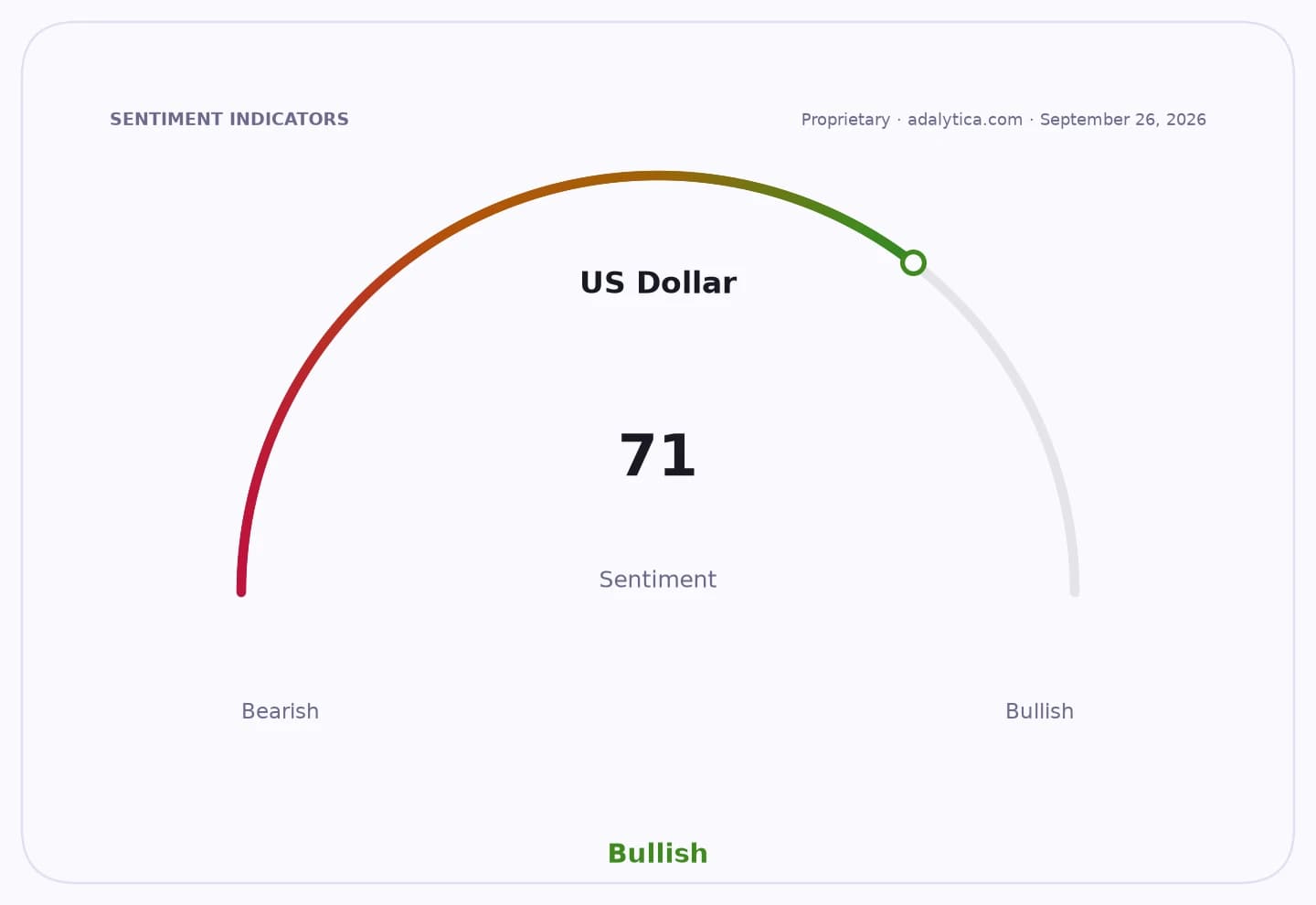
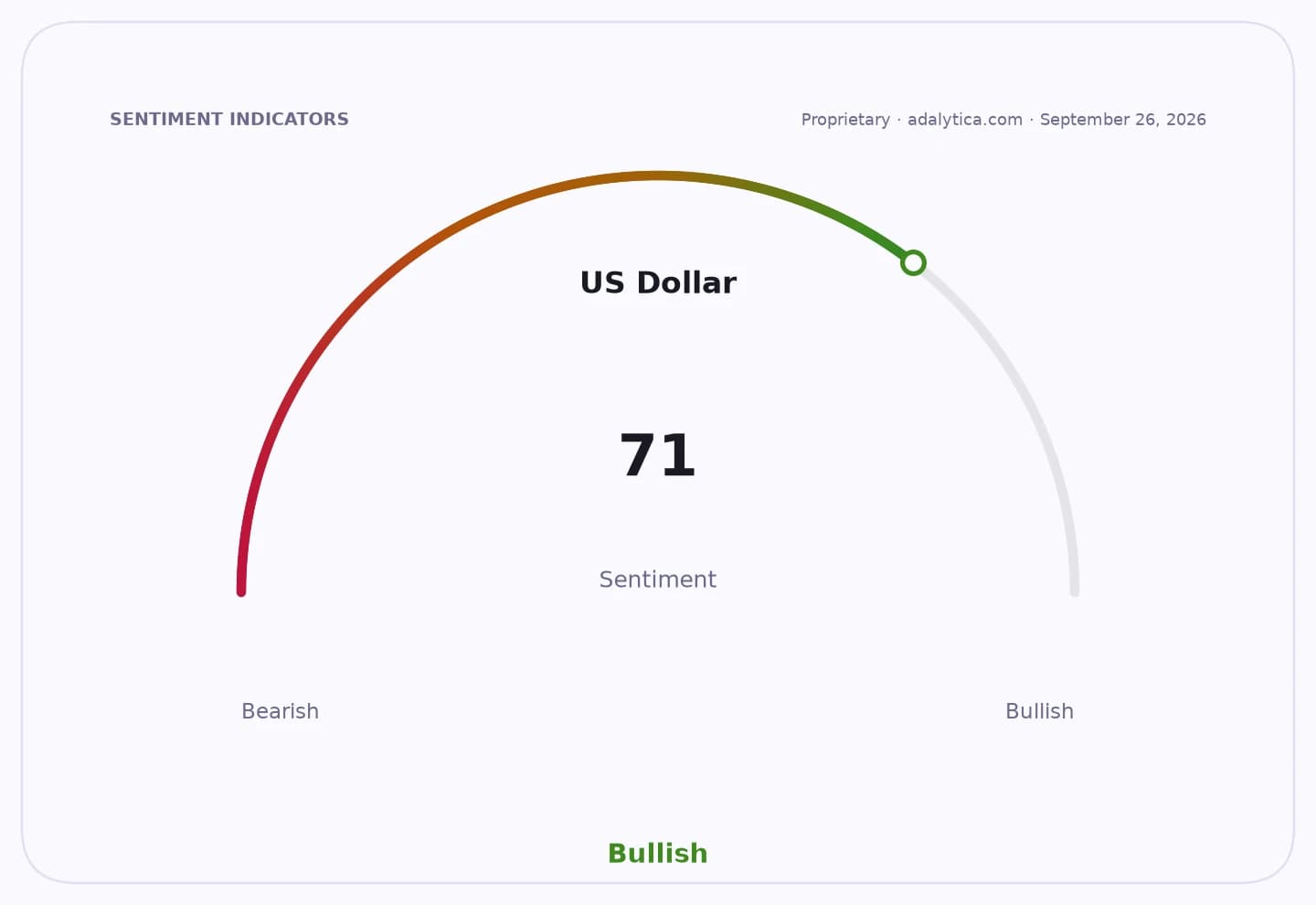
Sentiment IndicatorsⓘProprietary · adalytica.com · July 14, 2026
This is a snapshot — live sentiment, awareness and momentum for 130+ markets update continuously in the dashboard.Open AlphaPulse
That matters now because global rates remain elevated. The US 10-year Treasury yield is around 4.56%, while the 2-year sits near 4.21%, keeping borrowing costs high for sovereigns that need to roll over dollar debt. Even a modest reduction in external obligations can have an outsized effect when coupon costs are sticky and market access is uneven. For countries already in restructuring talks or close to them, such as Ghana, the case for any additional hard-currency buffer is particularly acute.
For investors, the proposal is a reminder that remittance-heavy economies can have a hidden credit anchor. A policy that channels a predetermined share of inflows into debt service would likely be viewed as supportive by bondholders, especially in frontier markets where repayment capacity is often judged through the lens of FX liquidity rather than headline growth. It could also improve the risk profile of currencies and reduce default tail risk if implemented transparently and without undermining household consumption.
The trade-off is obvious. Remittances are private transfers, not fiscal revenue, and any forced allocation could face resistance if it is seen as competing with consumption, education or housing spending. The bear case is that such schemes weaken the social and economic role remittances play, while producing only incremental debt relief unless paired with broader fiscal adjustment and restructuring. The market will care less about the slogan than the mechanics: whether participation is voluntary or mandatory, which debt is retired, and whether the arrangement is insulated from political interference.
The idea also comes at a time when companies exposed to cross-border payments are showing how strongly remittance demand can move markets. Shares of Remitly Global have climbed to about $23.68, well above its 200-day moving average of $16.87, while PayPal has rebounded to $47.65 from its February lows, reflecting improving sentiment around digital money movement. Western Union, by contrast, remains below its 200-day average, suggesting investors still see structural pressure in legacy transfer networks. Any policy that channels more remittance flows through formal rails would likely benefit the payment processors that capture volume, even as it raises questions about how much of those flows ultimately get locked up in debt service.
The broader narrative is that remittances are moving from a household-level lifeline to a strategic macro instrument. If governments can convert some of that steady foreign exchange into debt retirement without damaging consumer welfare, they may gain a cheaper, more reliable path to restoring creditworthiness. If not, the proposal risks becoming another well-intentioned fix that collides with politics, liquidity needs and investor skepticism.
| Entity | Gains | Losses |
|---|---|---|
| Sovereign borrowers | ▲Lower debt burden | ▼Less policy flexibility |
| Bondholders | ▲Better repayment odds | ▼Less upside from distressed pricing |
| Households | ▲Potentially stronger macro stability | ▼Reduced cash available for spending |
| Payment firms | ▲More formal remittance volume | ▼Margin pressure from tighter controls |