Rent hikes are becoming a regulatory as well as an economic issue, with authorities warning landlords that increases above the legal cap are illegal just as U.S. inflation remains elevated and apartment owners trade near recent highs.
Rent Caps Raise Risks for Apartment Landlords
The reason it matters is straightforward: rent is still one of the biggest drivers of household budgets and a major component of inflation, so the line between a lawful increase and an excessive one can shape everything from tenant demand to property-company earnings and broader price pressures. In markets where governments are trying to keep housing affordable, the policy response can also determine whether new rental supply gets built or constrained.
Sentiment IndicatorsⓘProprietary · adalytica.com · July 16, 2026
This is a snapshot — live sentiment, awareness and momentum for 130+ markets update continuously in the dashboard.Open AlphaPulse
In the latest data, headline U.S. consumer prices are forecast to rise 0.89% in July after a 0.42% decline in June, with the core CPI gauge expected to edge up 0.33%. Annual inflation remains far above the era when rent growth was easy to absorb, and that keeps pressure on officials to police housing costs more aggressively. The rental debate is especially sensitive because even modest monthly increases compound quickly for households already facing elevated food, insurance and financing costs.
That broader inflation backdrop helps explain why authorities in places such as Kermanshah are warning property owners and real-estate agents against rent hikes above 25% and against using manual contracts, which they say can be used to bypass formal rules. Officials have also flagged eviction notices and threats tied to unpaid rent, underscoring how a legal dispute over price caps can spill into social and collection pressure across the rental market.
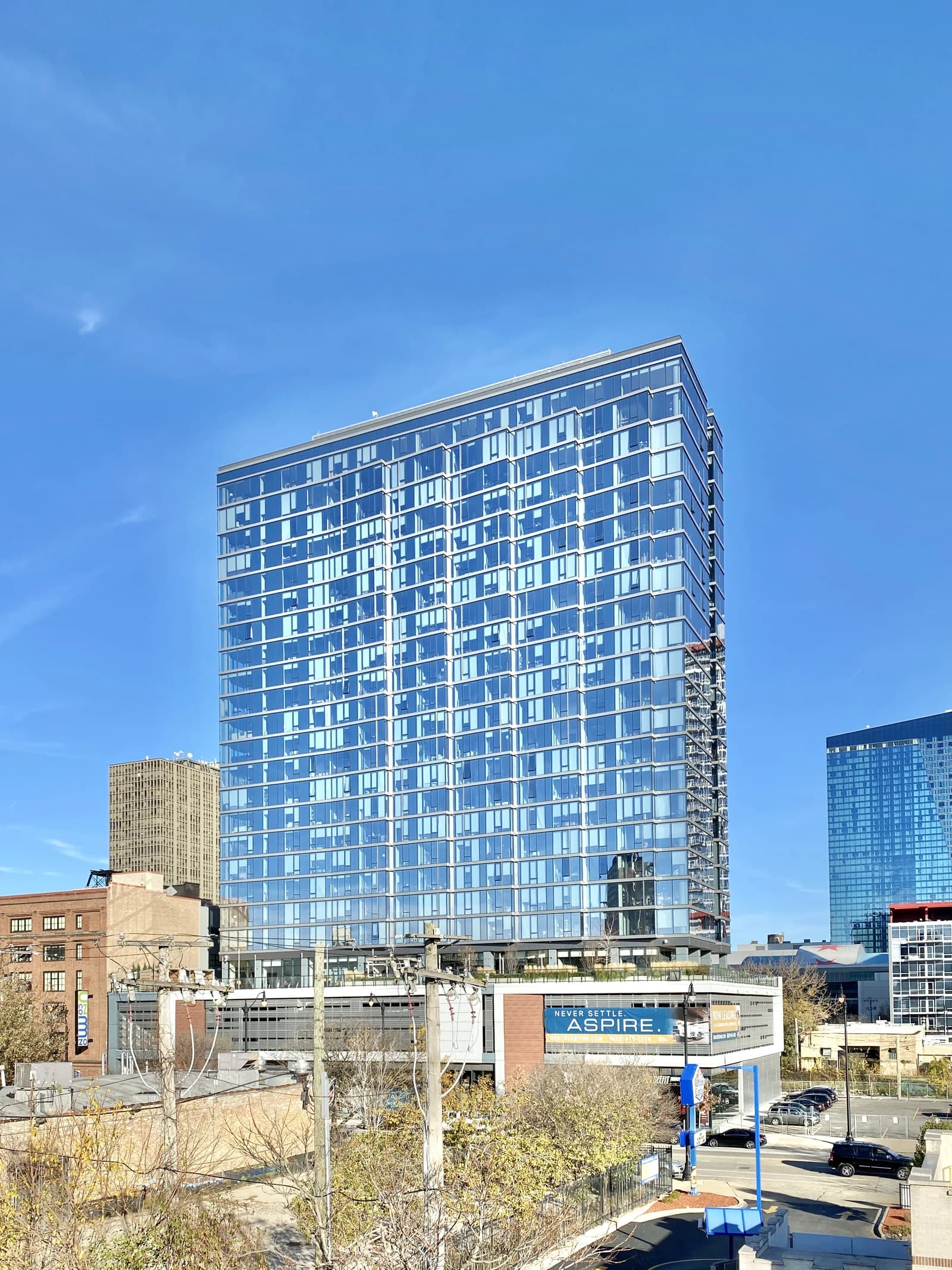
For investors, the key question is whether tighter rent enforcement protects occupancy and improves pricing power for landlords, or whether it eventually suppresses future supply by making returns less attractive. U.S. apartment landlords such as American Homes 4 Rent and Equity Residential have both seen their shares recover sharply, with technical indicators showing their stocks trading above their 200-day moving averages. That reflects a market that still sees rental housing as relatively defensive, even if rate-sensitive and policy-sensitive.
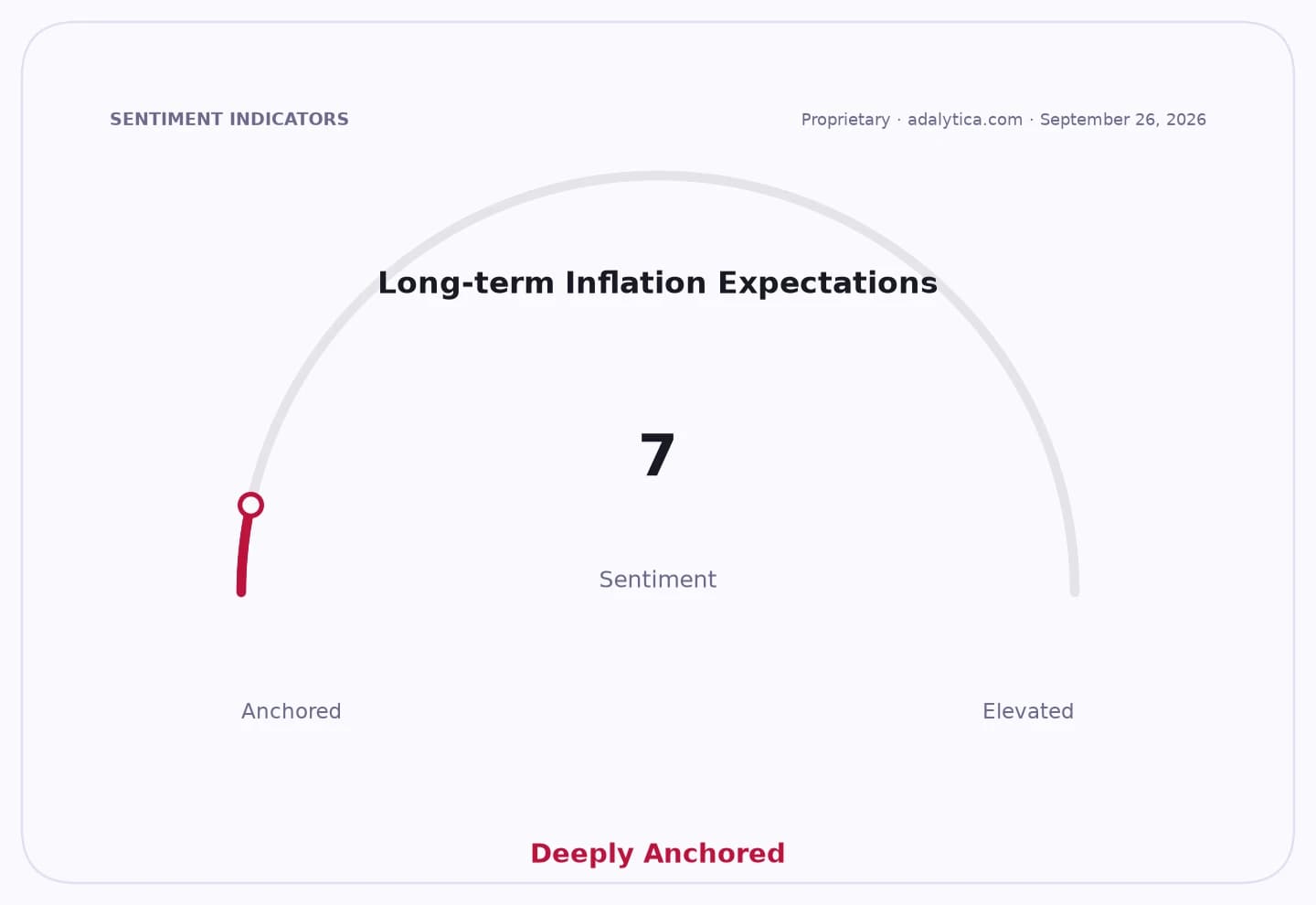
Bullish investors argue that constrained supply and still-firm household formation support the long-term economics for professionally managed rentals. Bearish investors counter that rent caps, tax incentives and political scrutiny can limit pricing flexibility and cap future growth, especially if higher financing costs and tighter regulation slow development. Adalytica’s Housing and Rent Inflation Sentiment gauge sits in extreme fear, suggesting investors are treating housing policy risk as a live overhang rather than a solved problem.
The next catalyst will be whether policymakers stick with a hard cap on rent increases or lean more heavily on tax breaks and supply incentives to encourage long-term leasing. If inflation cools and supply improves, the legal threshold for a rent increase may matter less to macro policy than to landlord margins. If not, rent regulation is likely to stay at the center of the housing debate, with investors watching for any sign that price controls are reshaping apartment sector returns.
| Entity | Gains | Losses |
|---|---|---|
| Tenants | ▲Slower rent growth | ▼Higher legal enforcement risk |
| Landlords | ▲Clearer rule set | ▼Pricing flexibility |
| Apartment REITs | ▲Defensible demand | ▼Margin pressure from caps |
| Policymakers | ▲Lower housing anger | ▼Supply-side tradeoff |