Rent control tightens across U.S. housing markets
Rent control is becoming more entrenched across the U.S., with Washington, Oregon, California, New York, New Jersey, Maryland and Connecticut all using some form of statewide or local limit on rent increases as tenant pressure builds and lawmakers respond to still-sticky housing costs.
That matters because rent caps directly affect one of the most important revenue levers for apartment owners: how fast they can reset leases as contracts expire. For investors, the spread between inflation, operating costs and allowed rent growth is now a bigger driver of cash flow, valuation and dividend sustainability for multifamily and single-family rental landlords than in markets without such limits.
The clearest push is in Washington, where the first statewide rent control law took effect in May 2025 and the 2026 cap was set at 9.683%, based on 7% plus CPI, with a 10% ceiling. The law also requires 90 days’ notice before a rent increase, up from 60 days, and can trigger civil penalties of up to $7,500 per violation. In its first enforcement round in August, eight landlords backed down from increase notices and refunded excess rent, a sign the law is already changing pricing behavior.
Oregon, the first state to adopt statewide rent control, set 2026 caps at 6% for larger manufactured-home parks and marinas and 9.5% for most other covered rentals. California’s formula is more complex, but for some rent-controlled units in Los Angeles, Long Beach and Anaheim, the cap rose to 8.7% for Aug. 1, 2026 through July 31, 2027. New York’s Good Cause Eviction law does not set a fixed cap, but treats increases above 5% plus inflation, or 10% in total, as potentially unreasonable unless a landlord can justify them.
The local picture is tightening too. New Jersey tracks rent stabilization rules across its 564 municipalities, and more than 100 have local ordinances. Passaic cut its annual base-rent cap to 3% from 6% in September 2025 and ended vacancy decontrol, while Maryland’s Montgomery County capped increases for covered units at 5.2% through June 2027 and Prince George’s County set most regulated units at 5.7% for 2026-27.
Connecticut is moving in a different direction, regulating rent through complaint-based fair rent commissions rather than a statewide percentage formula. By 2028, municipalities with at least 15,000 residents must create or join such commissions, expanding another layer of oversight for landlords. Massachusetts remains the outlier, with no traditional rent control for private-market housing, though lawmakers are still debating local options after a ballot effort was thrown out.
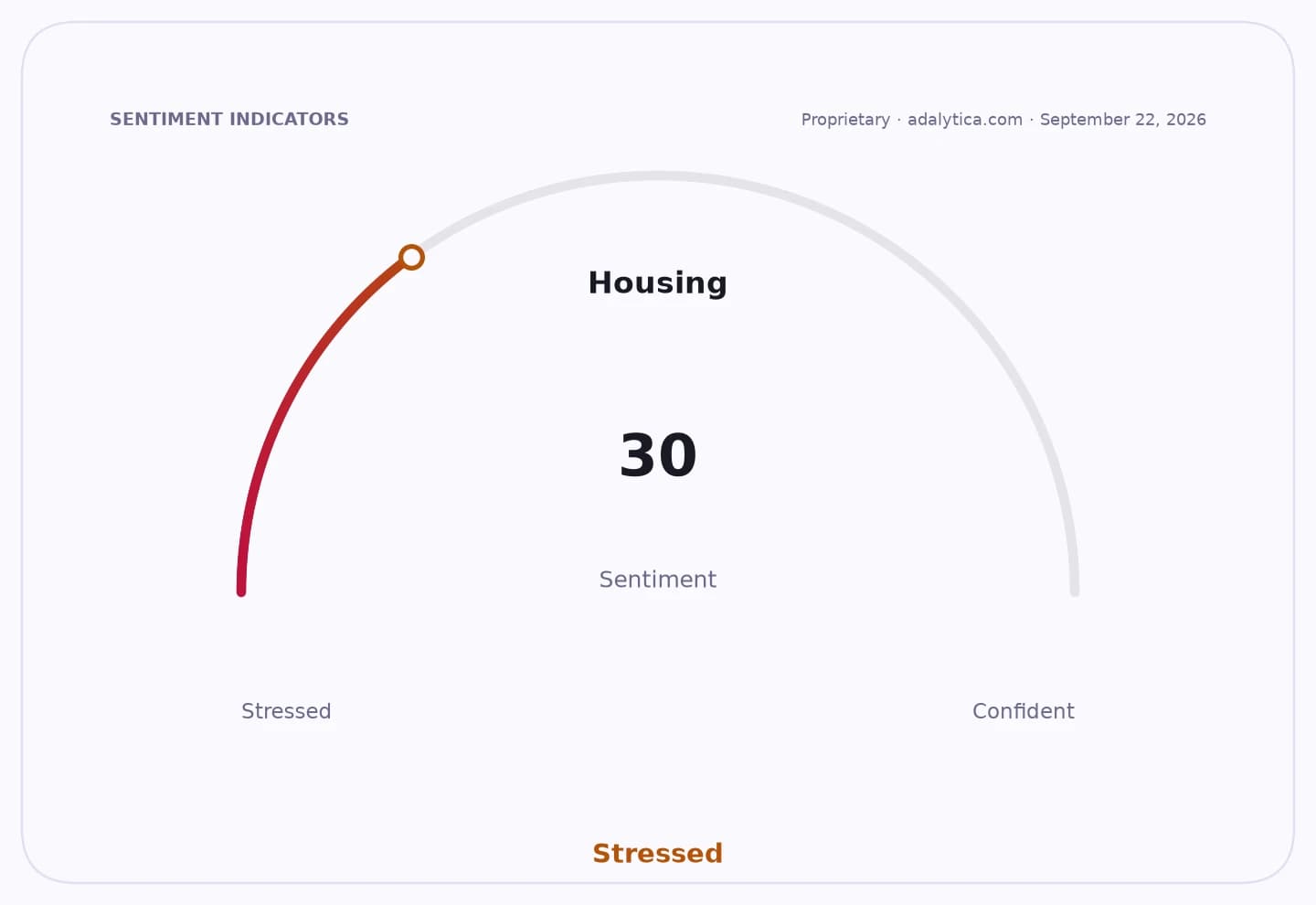
The policy shift is landing while rental sentiment remains fraught. Adalytica’s Housing and Rent Inflation Sentiment gauge sat in “Fear” territory at 30, with awareness neutral, suggesting the topic is still resonating with tenants and policymakers even as the 30-day reading fell sharply.
For investors, the winners are tenants and local policymakers looking for predictability; the losers are landlords and multifamily owners trying to keep pace with maintenance, taxes and insurance. Public REITs with exposure to regulated markets, including Apartment Investment and Management, Invitation Homes and Essex Property Trust, face a more constrained rent-growth backdrop, even if broader housing shortages continue to support occupancy.
With more states and municipalities weighing limits, the key question for the housing sector is no longer whether rent control exists, but how much revenue growth it allows. The next catalyst is legislative action in states such as Massachusetts and further enforcement in Washington, where the law is already forcing landlords to revisit notices and lease practices.
| Entity | Gains | Losses |
|---|---|---|
| Tenants | ▲Smaller rent hikes | ▼Less leverage for mobility |
| Landlords | ▲Clearer rulebook | ▼Slower rent growth |
| REITs in regulated markets | ▲Predictable collections | ▼Margin pressure |
| State and local lawmakers | ▲Political support | ▼Housing industry pushback |