Rising replacement costs weaken depreciation-based cash flow
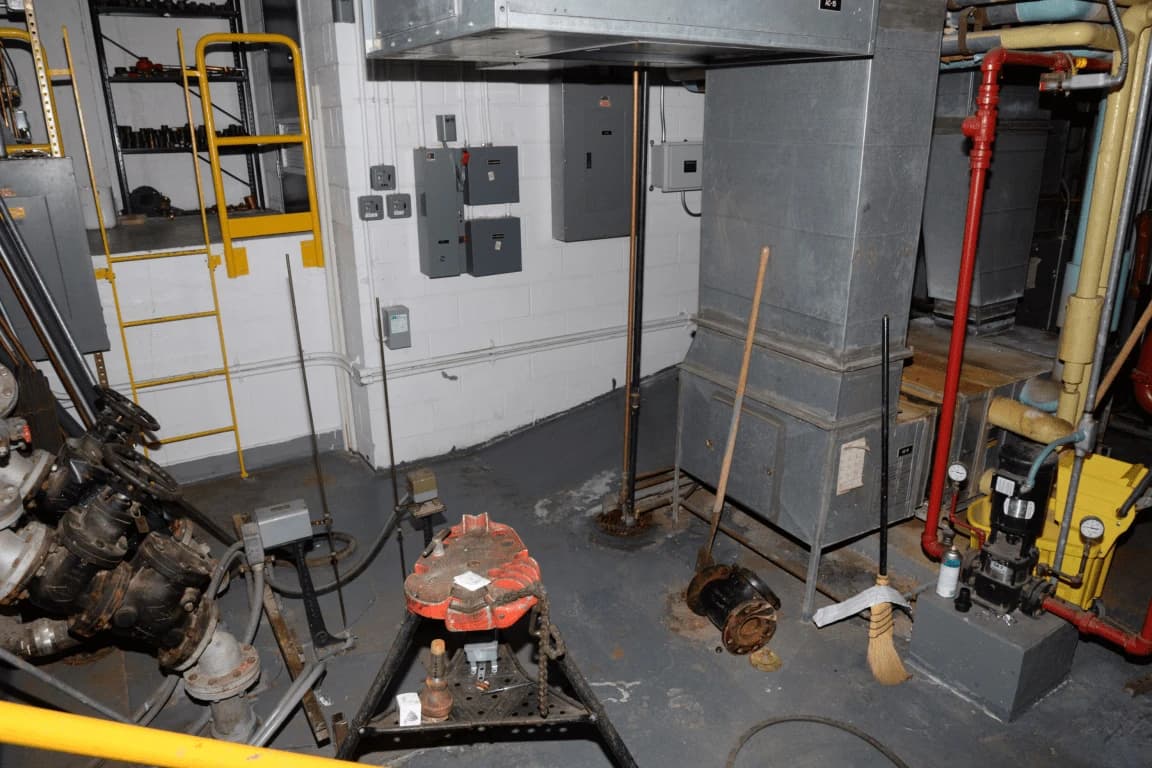
Rising replacement costs are widening the gap between accounting depreciation and the cash companies actually need to keep old equipment running, making depreciation a dangerous floor for maintenance capex assumptions in industrial businesses.
That gap matters because inflation has not just lifted consumer prices; it has also reset the cost of steel, machinery, labor and components that feed directly into plant and equipment replacement. U.S. consumer prices are forecast to be about 335.5 in July, roughly 41% above early 2026 levels in the data set, while producer prices are projected around 295.8, underscoring that input costs for manufacturers remain materially elevated. In that environment, historical depreciation based on a machine bought years ago can understate the actual cash needed to replace it today.
For investors, the implication is straightforward: companies that appear to cover maintenance spending with depreciation may be preserving an illusion of free cash flow. The risk is highest in capital-intensive sectors where equipment turnover is slow and inflation compounds over a multi-year asset life. A machine depreciated on the books at legacy cost may need to be replaced at a much higher current market price, particularly when financing costs are also up. The 10-year Treasury near 4.56% adds another layer of pressure, because higher rates raise the hurdle for replacement projects and increase the cost of funding them.
The market action in industrials reflects that tension. Caterpillar has traded as high as $1,064.90 in recent weeks before slipping to around $880, while Deere has also pulled back after approaching $635. United Rentals remains elevated above $1,000, but its recent swings show how quickly investors are re-pricing cyclical names when margins, replacement demand and capital intensity come into focus. The technical picture is still constructive for some names over longer periods, with Caterpillar and Deere both above their 200-day moving averages, but short-term momentum has weakened sharply, suggesting investors are becoming more selective about what kind of earnings durability they are willing to pay for.
The earnings backdrop supports the caution. Caterpillar has already flagged higher manufacturing costs and tariff-related pressure, while Deere has pointed to flat equipment-operating cash flow in 2026 despite stronger acquisition volumes in financing receivables and leases. That combination is important: revenue may hold up, but the cost to sustain the asset base is rising faster than old depreciation schedules imply. In other words, the economic life of equipment may not have changed, but the economic cost of replacing it has.
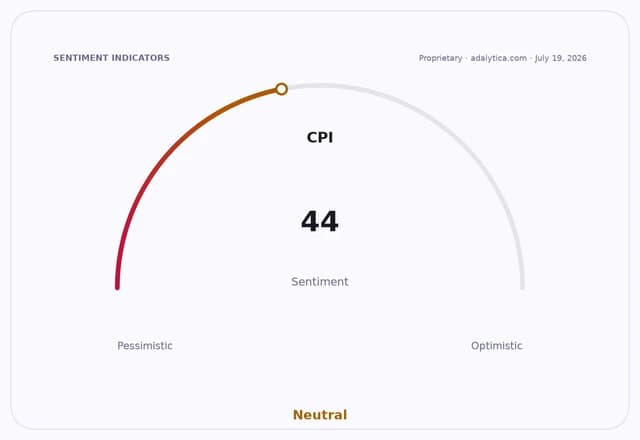
Adalytica’s proprietary CPI sentiment gauge shows only neutral reading for inflation itself, but the broader market tone is one of fear around inflation persistence and confidence in the Fed’s 2% target. That matters because maintenance capex estimates built on stale inflation assumptions tend to break down just as nominal sales and margins look healthiest. If inflation cools meaningfully, the valuation risk eases. But if replacement costs remain sticky while borrowing costs stay high, the cash conversion story for industrial companies could be weaker than reported accounting numbers suggest.
For investors, the takeaway is not that depreciation is irrelevant, but that it is increasingly an accounting minimum rather than an economic benchmark. In asset-heavy businesses, maintenance capex should be tested against current replacement economics, not historical book values. The companies that can fund that gap from operating cash flow will retain flexibility; those that cannot may face a more abrupt choice between deferred investment, lower reliability or weaker shareholder returns.
| Entity | Gains | Losses |
|---|---|---|
| Industrial firms with pricing power | ▲Preserve margins | ▼Face higher replacement bills |
| Companies with low maintenance intensity | ▲Better cash conversion | ▼Less obvious growth leverage |
| Long-duration shareholders | ▲Benefit from disciplined capex | ▼Hurt by understated cash needs |
| Equipment vendors and leasing firms | ▲Higher demand for new assets | ▼Exposed to delayed customer spending |