Restaurant AI menu photos trigger backlash
AI-generated menu photos are backfiring on restaurants, and that matters because the most basic job of food advertising is to make people hungry, not suspicious.
What started as a novelty on a deli screen in Chicago has become a broader consumer backlash against “AI food slop” — uncanny, hyperreal images of sandwiches, burgers and plated meals that look real at first glance, then collapse into fake-looking textures, repeated patterns and biological weirdness. For some diners, the reaction is visceral enough to stop them ordering altogether. For restaurants already fighting to protect traffic, that is a real problem.
The economics are simple. Restaurants use photos to influence foot traffic, online orders and menu attachment rates. If a menu image makes a customer recoil, the sale is not delayed — it is lost. That is why this trend matters beyond internet outrage. A cheap AI-generated flyer may save money versus professional food photography, but it can also damage trust in the brand and reduce conversion at the point of sale.
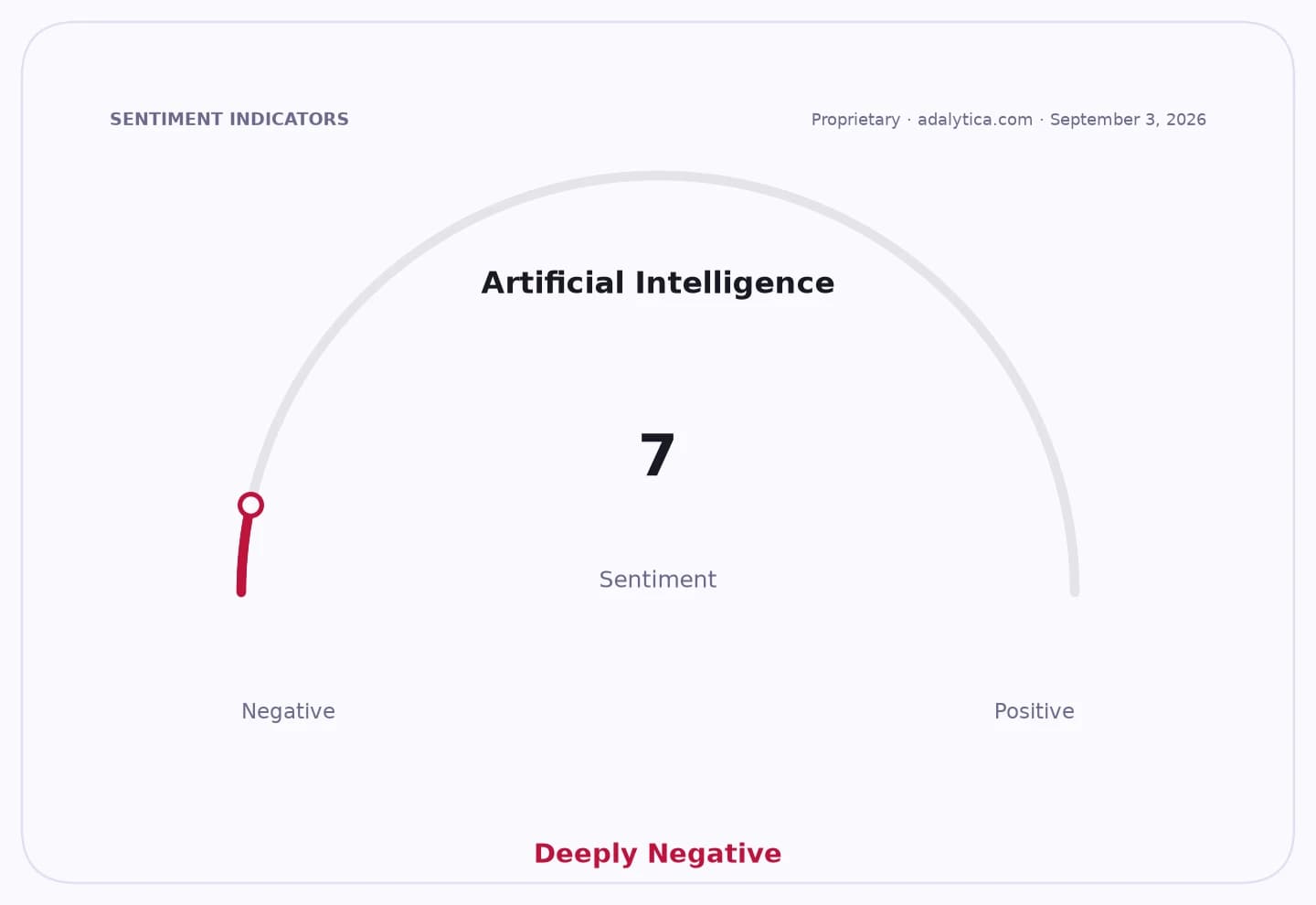
The backlash is spreading at the same time Americans are becoming more skeptical of AI overall. A Pew survey cited in the report found a majority of adults under 30 are more concerned than excited about AI, while a YouGov poll showed seven in 10 adults believe technology companies have too much power. That matters for investors because consumer brands do not adopt technology in a vacuum. If shoppers associate AI with fake, off-putting, or untrustworthy experiences, companies that lean too hard into automation could face reputational risk and weaker customer engagement.
For restaurants, the lesson is not that all AI is bad. It is that AI in consumer-facing visuals has to be invisible, useful and appetizing. Dining is a trust business. People want to believe the food they see is close to what lands on the table, not something generated by a machine that has never tasted it.
That is why the real winners here are restaurants and marketers that keep things authentic — real photography, clear menus and honest presentation — while the losers are the businesses chasing the cheapest possible content without thinking through the customer reaction. Long term, the brands that respect appetite and trust will likely outperform those that treat menu images as just another cost to cut. For investors, this is a good reminder that in consumer businesses, perception can be as important as technology.
| Entity | Gains | Losses |
|---|---|---|
| Restaurants with real food photography | ▲Higher trust | ▼None |
| AI content vendors | ▲Lower-cost demand | ▼Reputation risk |
| Diners | ▲Clearer, more appetizing menus | ▼Exposure to uncanny imagery |
| Restaurant brands using AI slop | ▲Short-term savings | ▼Customer confidence |