Restaurant Brands International on New Zealand value shift
Coffee and tea prices in New Zealand are back in focus as consumers reassess what “value” means, a shift that matters for quick-service and premium beverage chains because it can change where spending gets cut first and where brands can still command pricing power.
That matters economically because drinks are often a small-ticket purchase that reveals broader household behavior early. When shoppers feel squeezed, they trade down, visit less often or switch to lower-priced options, putting pressure on margins for chains that have leaned on premiumization to offset costs.
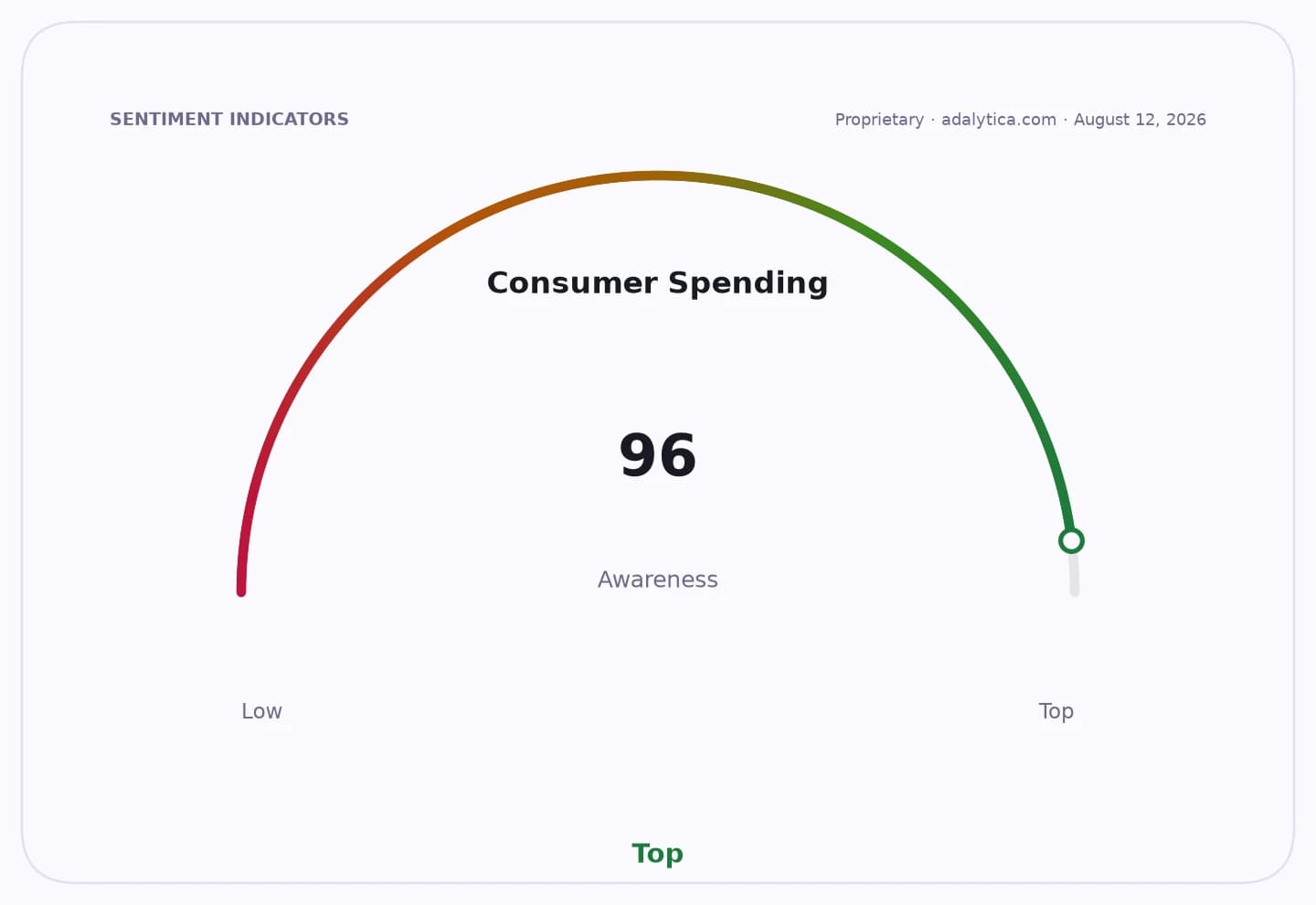
The backdrop is mixed. Adalytica’s Consumer Spending Sentiment snapshot shows sentiment at 36, or neutral, but awareness at 96, labeled extreme greed, suggesting consumers are highly attuned to spending cues even as confidence remains fragile. The gauge has rebounded 18 points over the past week after a 64-point drop over 30 days, underscoring how quickly price sensitivity can return.
For Restaurant Brands International, which owns Tim Hortons, Burger King, Popeyes and Firehouse Subs, the issue is whether “value” can keep traffic alive without forcing excessive discounting. The stock closed at $74.77 on Aug. 12, up from $72.86 two days earlier, and sits above both its 50-day moving average of $73.55 and 200-day moving average of $71.48, while RSI at 59.4 suggests the move is constructive but not stretched.
Investors are watching whether coffee and tea remain resilient enough to support same-store sales at a time when consumer spending is uneven and promotions remain a key competitive lever. A sustained shift toward value could help traffic, but it can also cap average checks and squeeze franchise economics if it becomes a race to the bottom.
The next catalyst is whether household cost-of-living pressure eases enough to preserve premium beverage demand, or whether chains need to lean harder on bundles, loyalty offers and lower-priced menu items to defend volume.
| Entity | Gains | Losses |
|---|---|---|
| Value-focused chains | ▲Traffic from price-sensitive shoppers | ▼Margin pressure from discounting |
| Premium beverage brands | ▲Loyal customers who still trade up | ▼Demand if consumers downgrade |
| Restaurant Brands International | ▲Potential volume support | ▼Average check and pricing power |
| New Zealand consumers | ▲Lower out-of-pocket spend | ▼Less room for premium purchases |