Riau Inflation Rises to 3.27% on Chicken Prices
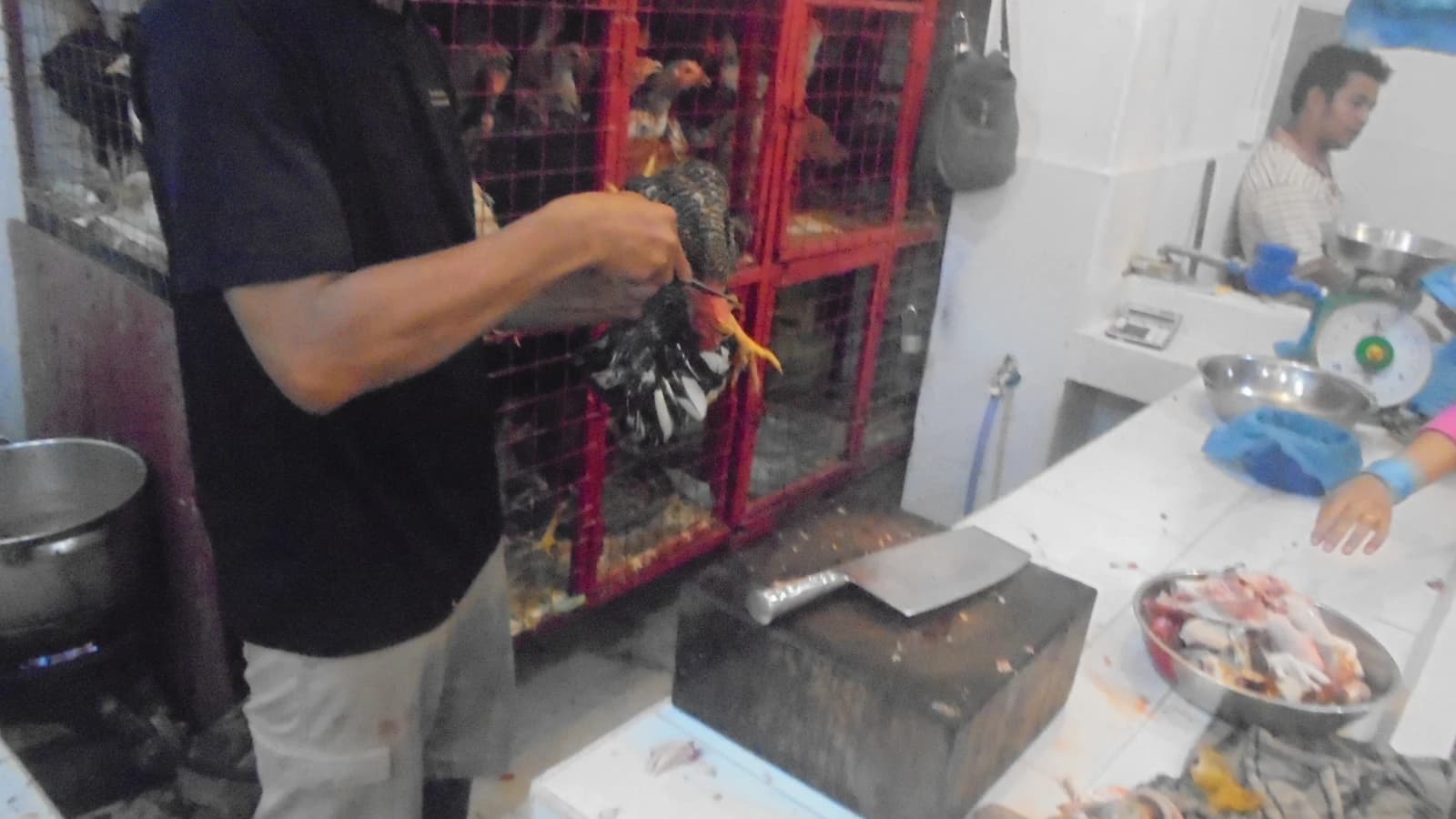
Riau’s inflation quickened to 3.27% in August, with chicken prices emerging as the main trigger, underscoring how food costs remain the most immediate threat to household purchasing power in Indonesia’s provinces.
The increase in the Consumer Price Index to 109.95 from the prior month points to a price environment that is still being shaped less by broad-based demand than by volatile staples. That matters economically because food inflation tends to hit lower-income consumers hardest, forcing households to cut discretionary spending and narrowing room for retailers and consumer-goods companies to pass on costs without losing volume.
Chicken is especially important because it sits at the center of the Indonesian diet and acts as a benchmark for wider food affordability. When poultry prices rise, the pressure is not limited to one item on the shopping list: it often feeds into restaurant costs, street-food prices and the cost of other protein substitutes. The effect can ripple through local consumption patterns and complicate the central bank’s effort to keep inflation contained while supporting growth.
The Riau reading also fits a wider pattern in which food remains the dominant inflation risk even when broader price pressures look manageable. Core inflation is typically less volatile than food, but a sustained rise in basic commodities can still alter consumer behavior, particularly in regions where wage growth lags price increases. For policymakers, the message is that inflation control cannot rely only on interest rates; supply-side interventions and logistics remain critical, especially for perishable goods.
For investors, the signal is twofold. Companies exposed to poultry and packaged food may gain pricing power if elevated chicken costs persist, but retailers and consumer-facing businesses could face margin pressure if they absorb too much of the increase. Lower-income demand, meanwhile, could soften if households are forced to trade down, which would matter for staples sellers and regional consumer stocks.
The broader narrative is that Indonesia’s inflation story is being driven by the kitchen table, not the bond market. Unless poultry supply and other food channels stabilize, monthly CPI gains may stay uneven, keeping pressure on real incomes and limiting the scope for a cleaner disinflation trend heading into the final months of the year.
| Entity | Gains | Losses |
|---|---|---|
| Poultry producers | ▲Higher selling prices | ▼Potential demand backlash |
| Households | ▲— | ▼Lower real purchasing power |
| Retailers and food sellers | ▲Ability to pass through costs | ▼Margin pressure if volumes fall |
| Policymakers | ▲— | ▼Harder inflation management |