Rice Prices Ease as Asia Harvest Reaches Market
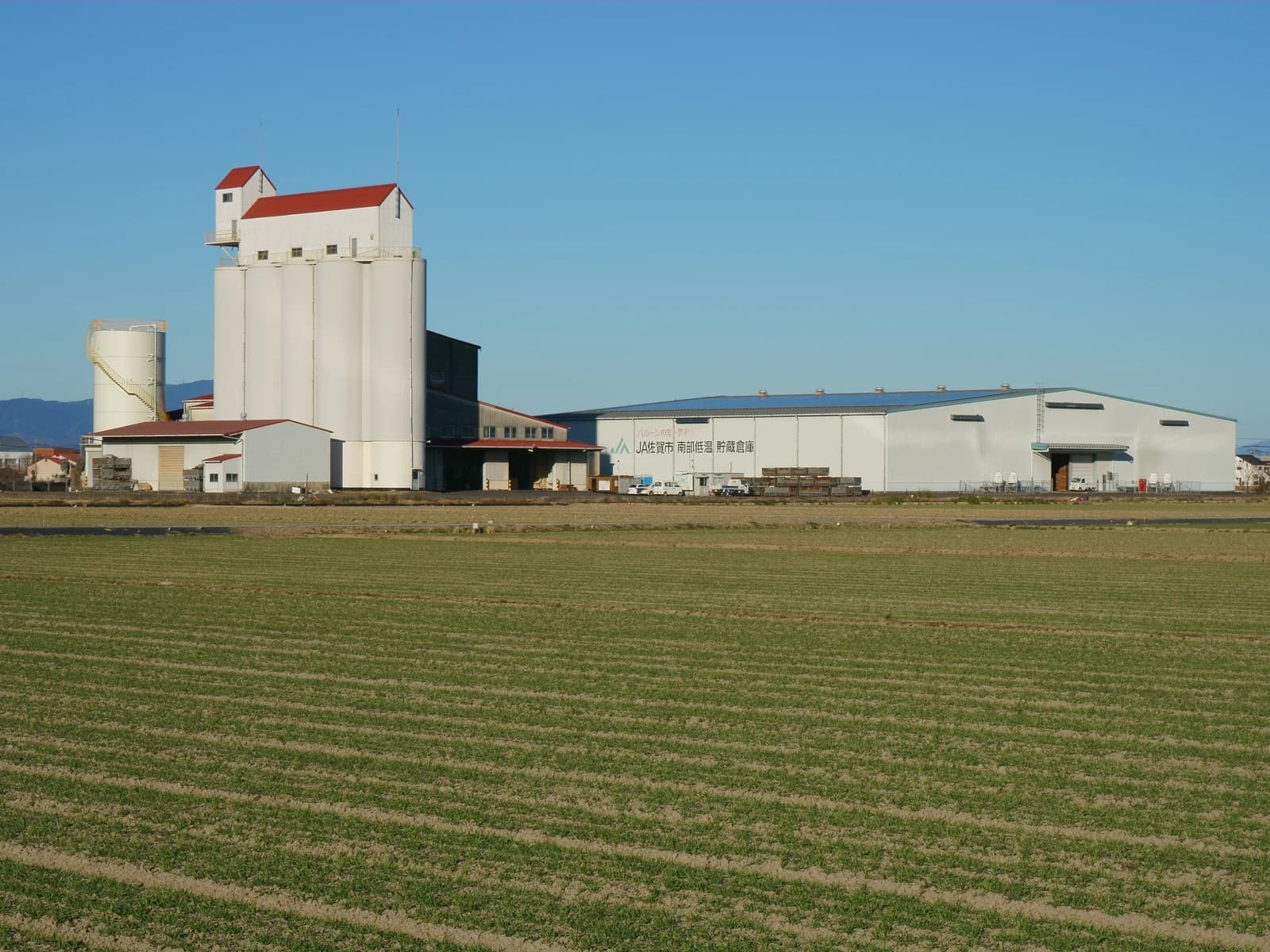
Rice prices are starting to soften in parts of Asia as the new harvest reaches the market, a turn that could ease food inflation but squeeze growers who have been benefiting from unusually high prices.
The immediate significance is economic as much as agricultural: rice is a staple for billions of consumers, so even a modest retreat in prices can ripple through household budgets, restaurant costs and central-bank inflation readings. For farmers, though, the same move can quickly turn supportive pricing into margin pressure if supply arrives faster than demand can absorb it.
That tension is now visible in Japan’s domestic market, where shipping of new rice has begun even as traders and farmers talk about a “surplus of rice.” The result is a sharp change in sentiment from earlier in the season, when high prices had lifted revenues and encouraged confidence that elevated levels could be sustained.
The broader commodity backdrop also points to a market that is no longer as tight as it was during the last major food-price surge. The U.S. producer price index for agricultural commodities is forecast to edge up to 295.8 in July from 286.8 in June, but that is still far below the inflationary spikes seen in earlier cycles. U.S. consumer prices remain elevated, with the CPI at 332.6 in June, yet rice-specific supply additions are helping to offset broader food-cost pressures.
In futures markets, grains are not showing the kind of disorder that would usually accompany a severe shortage. Corn futures have retreated from an early-May peak near 19.12 to 17.57 on Aug. 11, with the relative strength index sliding to 29.5, a conventional technical indicator that suggests momentum has weakened. Wheat is also lower, with WEAT at 23.71 versus a July high of 26.00, while the broad agriculture ETF DBA has eased from 27.84 to 27.59 after briefly testing a higher range in July.
That matters for investors because the story is not simply about lower rice prices; it is about margin rebalancing across the food chain. Farmers face the most direct hit if output is arriving into a more crowded market. Grain merchants, processors and large food buyers may benefit if raw material costs continue to normalize. Consumers gain through slower grocery inflation, and policymakers gain a little breathing room if food prices stop feeding headline inflation.
But the bear case is that relief could be temporary. Fresh rice prices had been rising earlier in August in some Asian markets, and export conditions remain uneven because of logistics and regulatory frictions. If shipping bottlenecks or weather-related yield shocks disrupt the harvest cycle, the current easing could reverse quickly.
For now, the narrative is one of transition: from a market defined by scarcity and high producer prices to one where supply is catching up and the first signs of oversupply are starting to weigh on farm incomes. Investors will be watching whether the price drop broadens beyond rice, and whether weaker grain pricing begins to filter through food inflation and agricultural equities more clearly in the weeks ahead.
| Entity | Gains | Losses |
|---|---|---|
| Consumers | ▲Lower food costs | ▼Less protection from inflation |
| Rice buyers/processors | ▲Cheaper input costs | ▼Less inventory value upside |
| Farmers | ▲Near-term only if prices hold | ▼Selling prices and margins |
| Food inflation / policymakers | ▲Cooler price pressure | ▼Less urgency for supply relief |