Ringgit falls vs dollar after Fed rate hike

The ringgit weakened against the US dollar after the Federal Reserve delivered another quarter-point rate increase, but its gains against the euro, yen and pound show the bigger trade is still about relative policy, not just one-way dollar strength.
That distinction matters for investors because the Fed’s move to 3.75%–4.00% keeps US yields attractive and preserves the dollar’s carry advantage, yet it also reinforces a global regime of restrictive monetary policy that can create selective opportunities in currencies and assets that have already priced in a great deal of tightening.
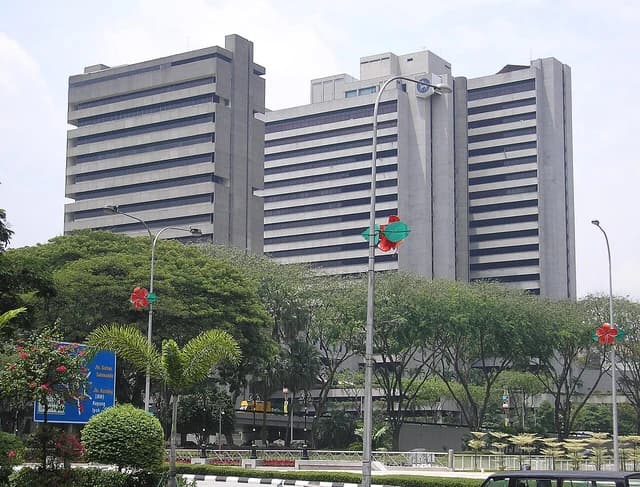
In Kuala Lumpur, the local currency closed at 4.0965/1010 per dollar, down from Tuesday’s 4.0835/0880, after touching 4.1012 earlier in the day. The market was shut on Wednesday for a public holiday. Against other majors, however, the ringgit firmed to 4.7003/7055 versus the euro, 2.6305/6336 against the yen and 5.4877/4937 against the pound.
The move underscores a market that is not trading the ringgit in isolation. It is trading the path of global rates. Bank Muamalat Malaysia chief economist Mohd Afzanizam Abdul Rashid said the Fed may not be finished raising rates, with inflation still far above the central bank’s 2% goal. That keeps pressure on higher-beta and emerging-market currencies against the dollar, even as some cross-rates move in their favor.
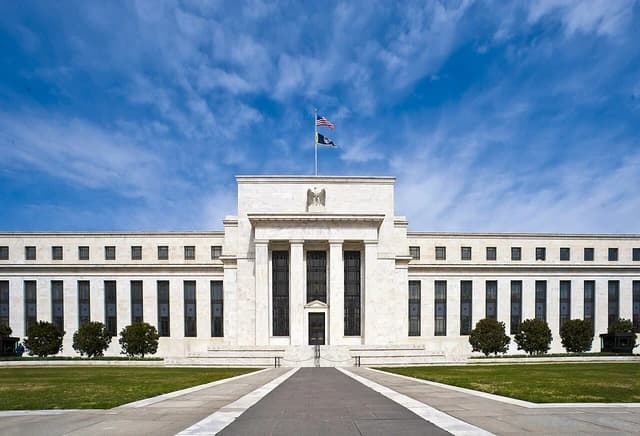
For investors, the more important message is that currency markets are entering a more discriminating phase. The US dollar’s yield premium remains the anchor, but the yen and euro trades are increasingly shaped by what happens next at the Bank of Japan and other major central banks. Mohd Afzanizam said traders will be watching the BOJ’s decision next, with markets expecting a possible 25-basis-point increase, a reminder that policy divergence is now the dominant FX theme.
That is why the ringgit’s small retreat against the dollar should not be read as a broad rejection of risk assets. It is a reminder that the dollar still wins when the Fed stays hawkish, but it also means investors should look for relative-value trades rather than one-direction bets. In Asia FX, that favors currencies and markets tied to central banks that are closer to the end of their tightening cycle, while keeping pressure on those exposed to a still-resilient US rate story.
The near-term catalyst is the BOJ, and if Japan begins normalizing policy while the Fed stays restrictive, the next leg of FX volatility could come not from the ringgit alone but from the widening differences between the world’s major central banks. For now, the playbook is clear: respect the dollar, but hunt for the currencies that are beginning to break away from it.
| Entity | Gains | Losses |
|---|---|---|
| US dollar | ▲Higher yield support | ▼EM FX carry trades |
| Ringgit vs euro/yen/pound | ▲Relative FX strength | ▼Dollar-denominated purchasing power |
| Fed hawks | ▲Policy credibility | ▼Risk assets sensitive to higher rates |
| BOJ normalization bets | ▲Potential revaluation | ▼Yen shorts and carry traders |