Ripple is moving from crypto upstart to financial infrastructure player, and that shift matters far more for long-term investors than the latest day-to-day move in XRP.
Ripple and BNY expand XRP and RLUSD custody
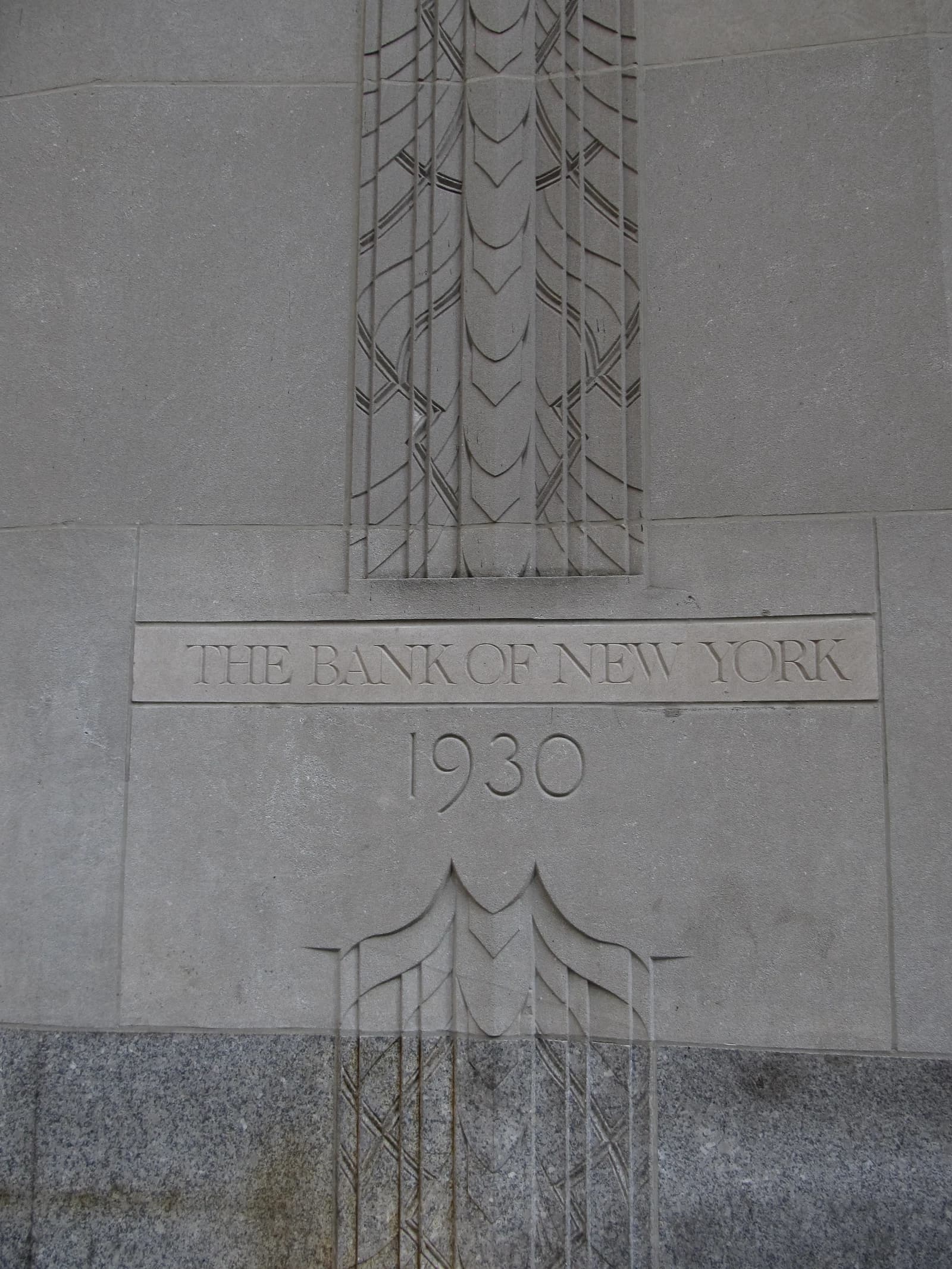
The company says it is approaching a $1 billion annualized revenue run rate and expects to exit 2026 with about $900 million in annualized product revenue. At the same time, Bank of New York Mellon, which oversees $63.4 trillion in assets under custody and administration, is expanding support for XRP and Ripple USD, or RLUSD, on its digital asset custody platform. For Ripple, that is a meaningful validation from one of the most established names in global finance. For XRP holders, it is the kind of institutional access that can widen the market over time, even if it does not instantly translate into higher token demand.
That distinction matters. Ripple’s business is no longer just a payments story. The company says growth is coming from payments, custody, stablecoins, prime brokerage and corporate treasury services, while customers using multiple Ripple products have tripled this year. Its network is nearing $150 billion in lifetime transaction volume, and it says more than $16 trillion in transactions were enabled across its products during 2025. In other words, Ripple is building a broader financial plumbing business that could support recurring revenue and deeper institutional relationships.
BNY’s role makes the development more than a branding win. Institutions generally need familiar custody arrangements before they can hold digital assets at scale, and a bank with BNY’s reach can remove one of the biggest operational hurdles. That should help XRP and RLUSD become easier for eligible institutions to access, transfer and potentially integrate into treasury and settlement workflows. BNY said in a recent filing it had $45.9 trillion in assets under custody and administration at Sept. 30, underscoring the scale of the platform now touching Ripple’s ecosystem.
The partnership also points to something investors should watch closely: whether Ripple’s growing infrastructure business can create durable demand for XRP itself. That remains the key question. Stablecoins like RLUSD can handle settlement where businesses want dollar-denominated predictability, while XRP is most valuable when liquidity, network activity or other use cases require the token directly. For now, Ripple’s institutional progress is a stronger story than XRP’s price action. XRP was trading around $1.31 on Nov. 5, roughly in line with recent levels and well below the kind of breakout move holders have been waiting for.
Still, markets often reward adoption before they reward price. Ripple’s expanding footprint with BNY, its growing product mix and the potential for tokenized trade finance on the XRP Ledger give the company a more credible path to long-term relevance in digital financial infrastructure. If that path keeps widening, investors may eventually see XRP not as a speculative token, but as part of a broader institutional rails business that could compound over years.
For patient investors, the takeaway is simple: Ripple is building something bigger than hype, and that makes it worth watching closely over the next three to five years.
| Entity | Gains | Losses |
|---|---|---|
| Ripple | ▲Institutional credibility | ▼Pure-speculation narrative |
| BNY | ▲New digital asset offerings | ▼Custody exclusivity in traditional finance |
| XRP holders | ▲Easier institutional access | ▼Immediate price uplift |
| RLUSD | ▲More settlement use cases | ▼XRP-only demand narrative |