Rising Rent Pressure Supports Rental Landlords

Rental housing is moving into a new phase of regulation and pricing pressure, with housing shortages, rent inflation and eviction risk forcing governments to tighten the “rules of the game” just as apartment landlords and single-family rental owners regain pricing power.
That matters because housing is both a consumer cost and a major asset class. When rents rise faster than incomes, the strain shows up in household spending, inflation readings and political pressure for intervention — while listed landlords benefit from stronger revenue growth, higher occupancy and firmer valuations.
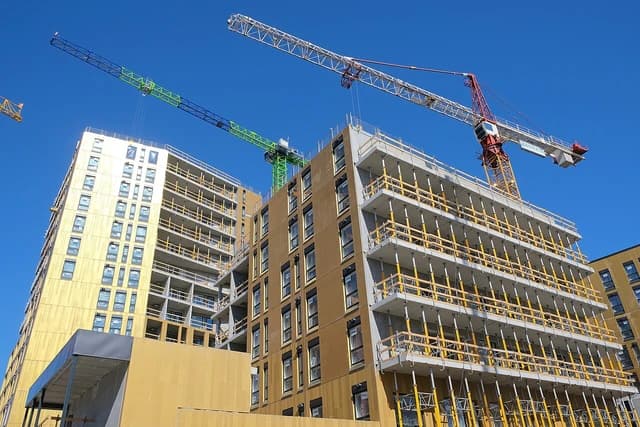
The backdrop is an affordability crisis that is no longer confined to one city. In Montreal, thousands of formerly homeless people have avoided eviction only after keeping their vouchers, even as more than 70 households remain in emergency housing. In Sydney, record rents are drawing fire at the Albanese government over inadequate supply. Indigenous communities are also facing a severe housing and infrastructure funding gap, underscoring how the shortage is widening inequality rather than easing it.
For investors, the message is that rental demand remains resilient even as policy risk rises. Apartment REITs and single-family rental landlords such as Essex Property Trust, Equity Residential and American Homes 4 Rent are trading with momentum, supported by steady rent growth and tight occupancy. AMH closed at $33.27 on July 10, above its 50-day moving average of $32.31 and 200-day average of $30.86, while Essex ended at $293.55, well above its 50-day and 200-day averages. INVH also sits above both key moving averages, a sign the market is still rewarding rental exposure.
The operating data point the same way. American Homes 4 Rent’s HOUST series shows a forecast rebound to 1,253.4 in June after a sharp 15.45% drop in May to 1,177, while the broader home price index has climbed to 333.979, up 0.47% in May and more than five times its late-1980s level. That combination — high home prices and limited new supply — keeps many households in the rental market longer, supporting landlords even as it deepens the affordability squeeze.
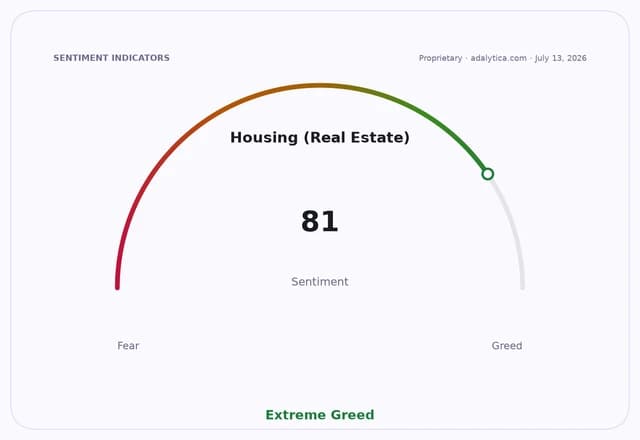
Technical indicators also show investors leaning back into the space. Adalytica’s Housing Fear & Greed Index for XHB is at 81, in “Greed” territory, after a 66-point rise over 30 days, while its Housing and Rent Inflation Sentiment gauge stands at 44, neutral but improving. The contrast suggests the market sees opportunity in rental housing even as policymakers confront the social cost of the crisis.
The next catalyst is policy. Any move to expand vouchers, accelerate supply, cap rents or tighten tenant protections will directly affect rent growth, turnover and margins across the sector, making rental housing one of the clearest battlegrounds between affordability politics and real estate returns.
| Entity | Gains | Losses |
|---|---|---|
| Apartment REITs | ▲Higher occupancy, rent growth | ▼Political and regulatory pressure |
| Single-family landlords | ▲Persistent rental demand | ▼Higher financing and policy risk |
| Renters | ▲Voucher support and temporary relief | ▼Rising affordability stress |
| Policymakers | ▲Chance to act on housing crisis | ▼Blame for supply shortages |