Dogecoin’s slide back toward 7 cents and Tesla’s renewed wobble are underscoring a broader reset in the risk appetite that once made “silly” valuations for meme assets and moonshot ventures easier to tolerate.
Risk Appetite Fades as Dogecoin and Tesla Slip
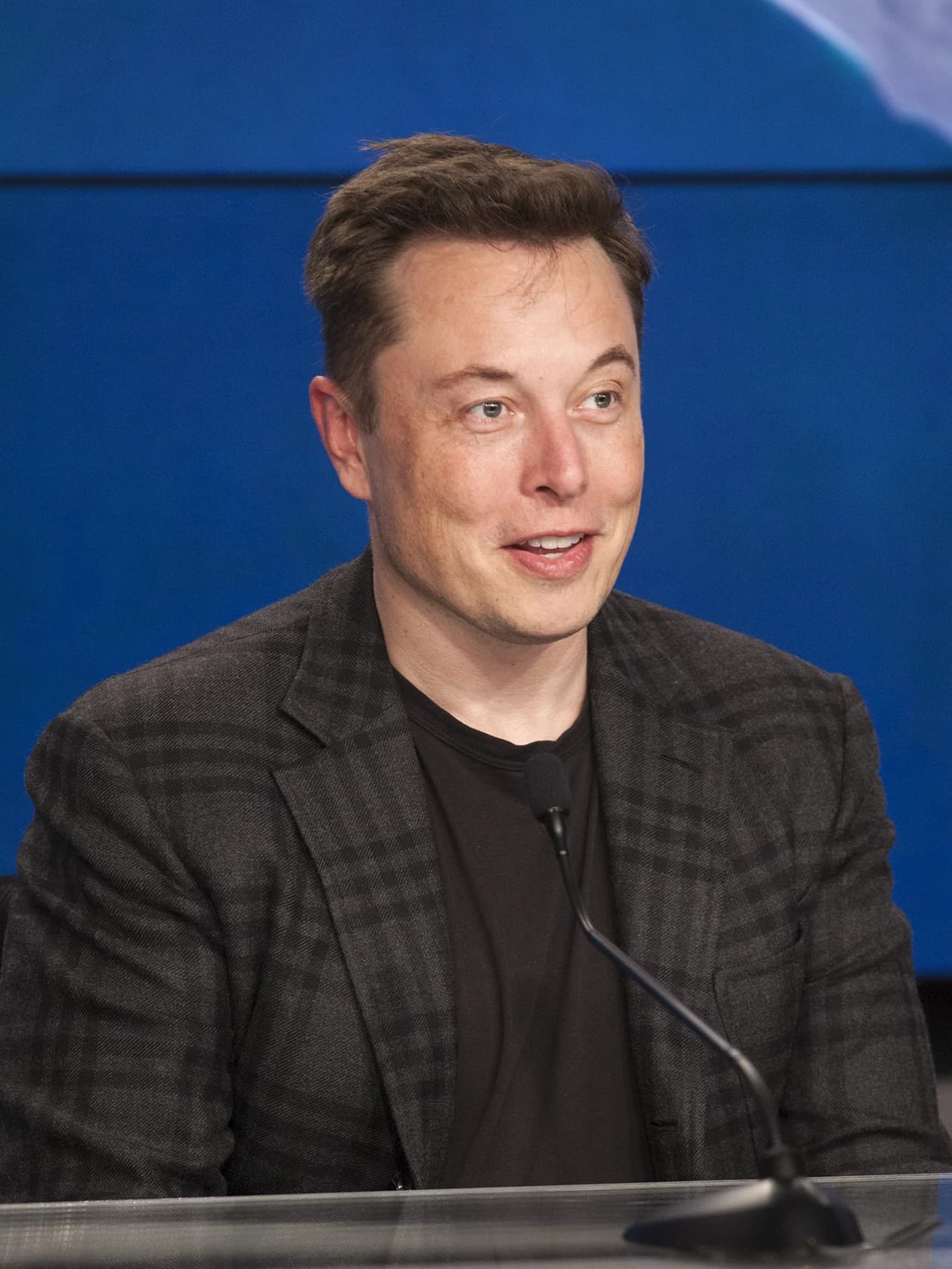
Mark Yusko’s criticism of Dogecoin and SpaceX valuations taps into a market that is increasingly less willing to price narratives over cash flow. For investors, that matters because the same speculative mindset has helped propel both crypto and growth stocks higher in past cycles, and its unwinding can drag on sentiment across retail-heavy and momentum-driven corners of the market. Dogecoin’s latest trade near 0.07 leaves it about 76% below its 2025 peak of 0.29, while Tesla has retreated to around $396 after trading above $460 late last year, a reminder that assets tied to high-beta storytelling are no longer commanding the same premium.

The technical picture reflects that deterioration. Dogecoin is sitting below both its 50-day and 200-day moving averages, with the longer trend line still above the spot price, a classic sign of a weak trend. RSI readings in the mid-50s suggest the coin is no longer oversold, but neither is it showing the kind of momentum that would support a sustained rebound. Volume has also faded sharply from the September spike, when turnover topped 9 billion shares’ worth on the price surge, indicating that speculative conviction has cooled. In Tesla, shares remain above the 200-day average but have drifted back toward the 50-day trend, while momentum gauges such as MACD have turned softer, implying that enthusiasm around future growth is still vulnerable to a change in risk sentiment.
That matters economically because the valuation framework for both Dogecoin and SpaceX depends heavily on expectations far into the future. In Dogecoin’s case, there is no earnings base to anchor price, which makes it especially exposed when liquidity tightens and investors rotate away from risk. For SpaceX, the debate is different but related: private-market pricing assumes extraordinary execution in launch, satellites and potentially a larger commercial ecosystem. When investors begin questioning whether those assumptions have been stretched too far, it can compress not just those names but adjacent sectors that have benefited from a similar discounting of far-off promise.
The selloff in crypto adds another layer. Bitcoin, Ether, XRP and Dogecoin have all been hit by geopolitical stress as tensions between the US and Iran lifted demand for safety and reduced appetite for speculative assets. Dogecoin’s decline has also come despite project-specific efforts such as merchant adoption through DOGE Pay and the House of Doge roadmap, suggesting that utility headlines are not yet strong enough to overcome the bigger macro and sentiment headwinds. For holders, that is a warning that adoption narratives can help at the margin but rarely offset a broad de-risking phase.
For investors, the key question is not whether Yusko is right in principle, but whether the market is moving in the direction his argument anticipates. The bull case is that Dogecoin retains a powerful retail following and can still surge on episodic liquidity and social-media-driven flows, while SpaceX remains one of the most strategically important private companies in the market. The bear case is that when capital becomes more selective, the premium assigned to brand, optionality and cult-like demand tends to shrink first in the most speculative names. If that continues, the pain may extend beyond Dogecoin to the wider basket of assets whose valuations depend more on belief than on current fundamentals.
| Entity | Gains | Losses |
|---|---|---|
| Value investors | ▲Lower entry points | ▼Fewer speculative premiums |
| Dogecoin holders | ▲Short-term trading bounces | ▼Prolonged valuation compression |
| SpaceX backers | ▲Fundamental rerating discipline | ▼Rich private-market marks |
| Risk-off traders | ▲Volatility opportunities | ▼Momentum-led upside |