Romania BNR keeps 6.50% rate, sees inflation target by 2027

Romania’s central bank is signaling that the inflation fight will be long and costly, even after price growth eased from its recent peak, because the National Bank of Romania now sees inflation returning to target only at the end of 2027.
That matters because it implies policy rates may stay restrictive for much longer than households and businesses had hoped, keeping borrowing costs elevated and delaying any meaningful relief for consumption, investment and debt servicing. For investors, the message is that Romania’s disinflation process is not a quick normalization story but a drawn-out adjustment shaped by fiscal pressures, administered prices and a still-fragile real economy.

The BNR kept its benchmark rate at 6.50% on Aug. 10, extending a tightening stance even as annual inflation eased to 10.42% in June. The central bank’s updated forecast suggests the recent moderation is not enough to justify easier policy, particularly after the end of electricity price protection added to cost pressures.
The inflation path helps explain why the bank is moving cautiously. A return to the 2.5% target band only by end-2027 would leave Romania with one of the longer disinflation horizons in emerging Europe, especially if fiscal consolidation proves uneven. That raises the risk of a prolonged squeeze on real wages and household spending, while also limiting the scope for a faster recovery in domestic demand.
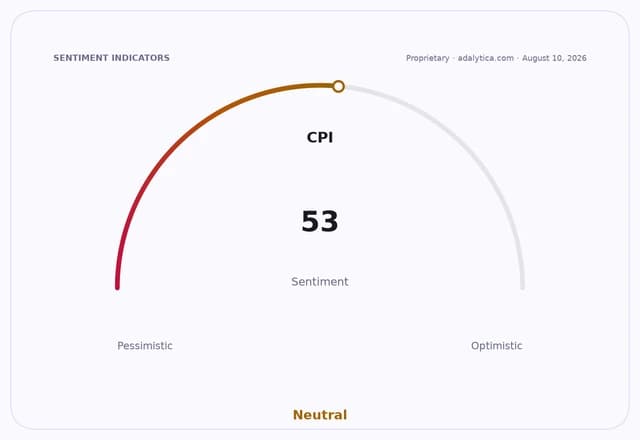
For bond and currency markets, the implication is mixed. High policy rates can support the leu and anchor local yields, but a delayed disinflation cycle also keeps sovereign financing conditions tight and leaves government borrowing costs vulnerable if investors demand a larger premium for inflation risk and policy uncertainty. The 10-year U.S. Treasury yield at 4.69% is a reminder that global rates remain high too, which compounds pressure on higher-yielding emerging markets.
There is a narrow bull case for Romania: if energy-driven price shocks fade and fiscal discipline improves, inflation could fall faster than the BNR expects, opening the door to eventual easing. The bear case is that wage pressures, taxes and regulated-price adjustments keep inflation sticky, forcing the central bank to hold rates high well into 2027.
For now, the BNR’s message is clear: price stability is improving, but not enough to declare victory, and that leaves Romanian assets tied to a slower, more restrictive policy cycle than many investors had priced in.
| Entity | Gains | Losses |
|---|---|---|
| BNR | ▲Policy credibility | ▼Near-term growth |
| Romanian savers | ▲Higher deposit yields | ▼Real income erosion eases slowly |
| Borrowers and consumers | ▲Future relief if inflation falls | ▼Higher debt costs now |
| Romanian government bonds | ▲Support from restrictive policy | ▼Higher refinancing costs |