Romania factories rehire workers as output steadies
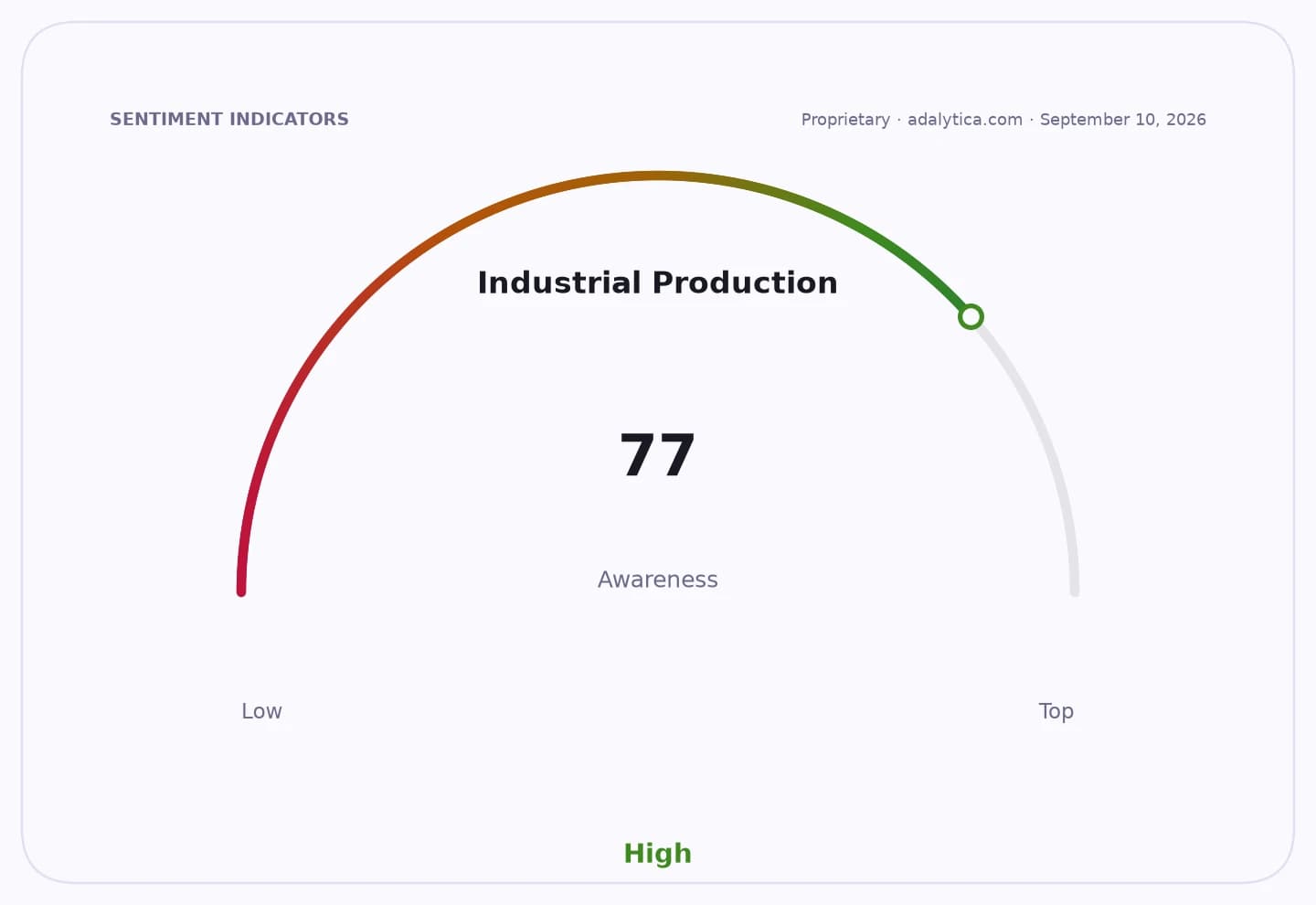
Romania’s factories are hiring back workers after two years of shutdowns as industrial output steadies above its pre-pandemic baseline, a sign the manufacturing base is recovering even as the broader economy remains under pressure from inflation, weak demand and energy costs.
The rebound matters because manufacturing is one of the few engines that can still support jobs, exports and tax revenue in a country where households are already squeezed by higher bills and a softer consumer backdrop. Industrial production in Romania is running at 102.99 against a 2020 benchmark of 100, with economists expecting it to rise to 103.34 next month, suggesting the sector is slowly regaining lost ground.
That recovery is coming against a difficult macro backdrop. Romania’s economy has contracted, retail sales have posted the steepest annual fall in the EU, and first-half GDP slipped 0.7%, while inflation and energy costs remain a drag on margins for producers and consumers alike. Authorities have also warned that electricity bills could climb by as much as 10% this autumn, reinforcing pressure on factory operating costs.
For investors, the return of workers to factories points to a stabilizing industrial cycle rather than a full-blown manufacturing boom. It supports domestic employers, industrial suppliers and logistics groups, but it does not erase the risks tied to weak household demand, imported energy dependence and volatile agriculture, all of which can hit broader corporate earnings and credit quality.
The story also matters beyond Romania because it reflects a wider European split between export-led industrial resilience and domestic demand weakness. If factory rehiring continues, it could help cushion unemployment and sustain industrial names with exposure to central and eastern Europe, but a renewed energy shock or deeper consumer slowdown would quickly test that recovery.
| Entity | Gains | Losses |
|---|---|---|
| Romanian factories | ▲Higher output, rehiring | ▼Rising wage and energy costs |
| Workers | ▲More jobs, income stability | ▼Slower pay gains if margins tighten |
| Exporters/industrial suppliers | ▲Better volumes | ▼Weak domestic demand |
| Consumers and importers | ▲None | ▼Higher bills, inflation pressure |