Romania and Hungary Corn Output Falls in Drought
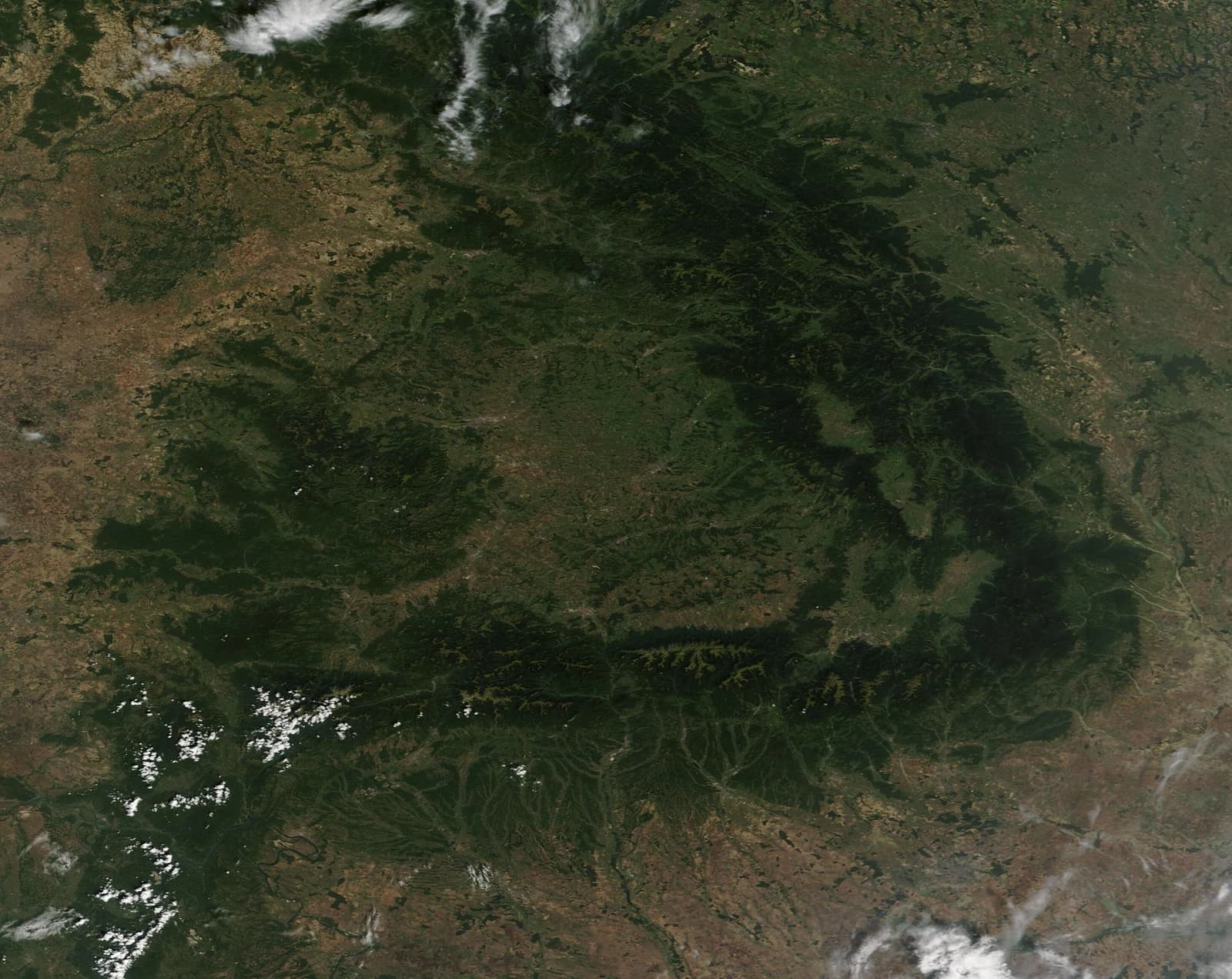
Romanian and Hungarian farmers are being pushed out of corn production by heat waves and drought, a shift that matters well beyond the farm gate because it threatens Central Europe’s feed grain supply and adds another weather shock to already tight global agricultural markets.
The immediate economic effect is lower output in a region that has long been one of Europe’s more important corn belts. When farmers abandon corn for less water-intensive crops, the loss is not just this season’s harvest; it also reflects a structural response to hotter summers, falling soil moisture and a higher probability that yields will stay volatile. That raises production costs across the livestock chain, where corn is a key input for feed, and it can push import demand higher just as buyers are already navigating patchy harvests in other drought-hit regions.
The move comes against a backdrop of stronger grain prices and renewed attention on food inflation. Corn futures have climbed sharply in recent sessions, with the contract trading above $20 a bushel in early September after a late-August surge. The broader agricultural basket tracked by DBA has also pushed higher, while wheat has rallied as investors price in tighter substitute supplies. That matters because corn does not move in isolation: a smaller European crop can ripple into wheat, barley and soymeal markets as feed users switch among ingredients, amplifying price pressure across the complex.
For investors, the implications split neatly between beneficiaries and losers. Grain producers and agricultural commodity funds gain if supply losses persist, while livestock operators, food processors and importers face margin pressure. The latest move also favors traders positioned for weather-driven volatility rather than a smooth crop recovery. Standard technical indicators on corn futures show the market is already extended, with the contract well above both its 50-day and 200-day moving averages and an RSI reading that points to a stretched rally. That does not by itself reverse the trend, but it suggests prices are reacting to a real supply story, not just thin trading.
The weather problem is not limited to Romania and Hungary. Drought has already damaged crops across parts of Europe and other regions, reinforcing the sense that climate risk is becoming a recurring input cost rather than a one-off shock. Oil prices and broader inflation readings remain relevant too: higher energy costs make fertilizer, transport and farm operations more expensive, while food inflation can become sticky if grain shortages spread through the feed chain.
The key question now is whether this is a temporary acreage adjustment or another step toward a smaller, more fragile European corn balance sheet. If dry conditions persist, import demand could rise further and keep pressure on feed grain prices into the next planting cycle. If rain returns, the market may cool — but farmers’ retreat from corn would still underline how quickly climate stress is reshaping crop choices across the region.
| Entity | Gains | Losses |
|---|---|---|
| Corn bulls / grain traders | ▲Higher prices | ▼Weather risk eases |
| Livestock feed users | ▲Alternative feed options | ▼Higher input costs |
| Romanian and Hungarian farmers | ▲Less drought exposure | ▼Corn acreage and revenue |
| Agricultural commodity funds | ▲Price volatility | ▼Crop recovery and supply relief |