Romania inflation slows to 6.17% in August
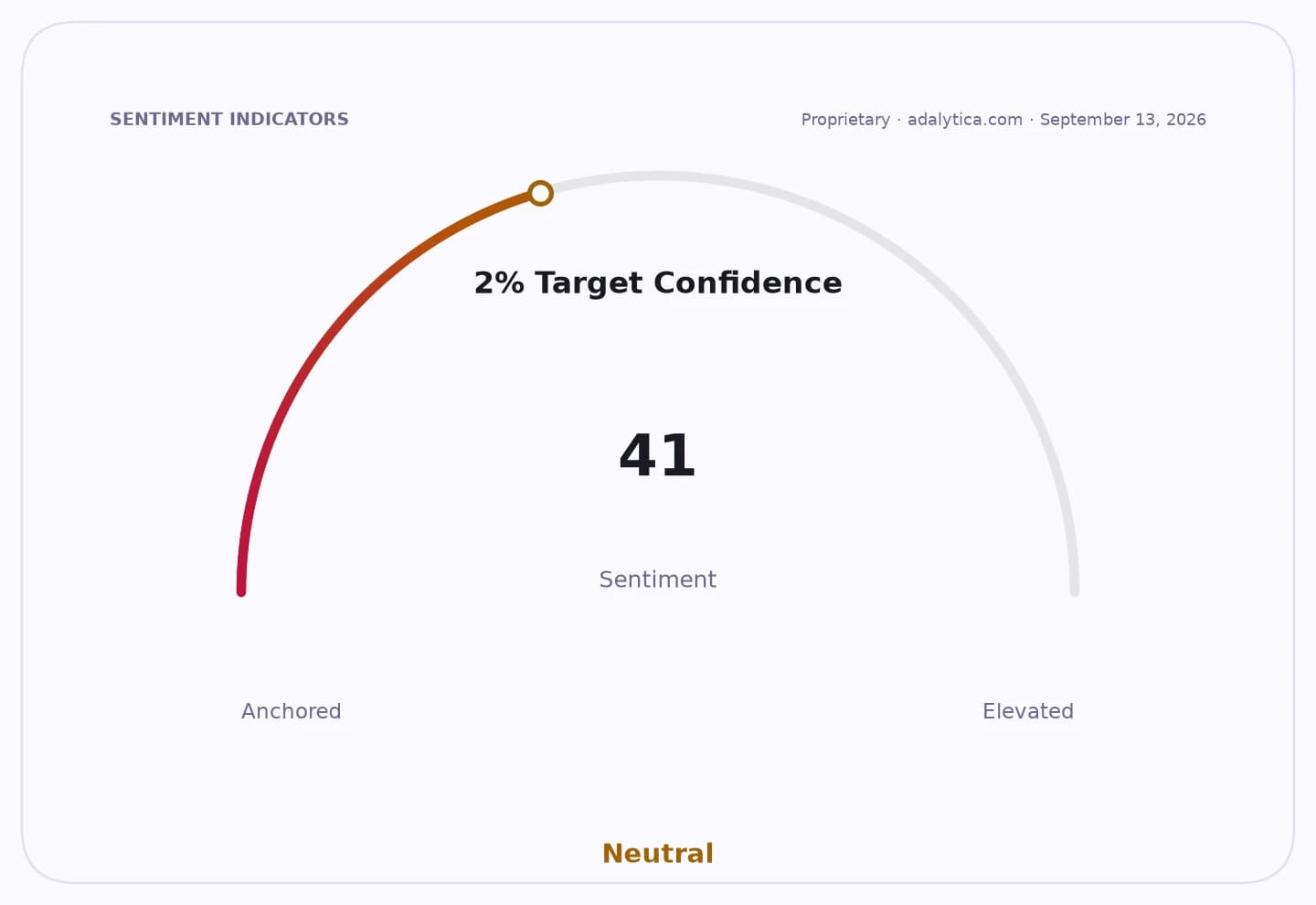
Romania’s consumer-price growth slowed to 6.17% year on year in August, coming in below expectations and giving policymakers a little more room to argue that inflation is moving in the right direction even if it remains uncomfortably high.
The reading matters because it could temper pressure on the National Bank of Romania to keep policy tight for longer, at a time when households are still facing elevated prices and the economy is sensitive to borrowing costs. A softer print also helps support the case that the worst of the inflation shock has passed, though the pace of disinflation is still not enough to declare victory.
For investors, the key issue is whether the data shifts expectations for the central bank’s next move. A lower-than-expected inflation number can ease yield pressure on local-currency bonds, support risk appetite in Romanian assets and reduce the urgency for further tightening. But with inflation still above the bank’s comfort zone, any relief is likely to be cautious rather than decisive.
The broader narrative is one of an economy trying to transition from inflation fighting to normalization without reigniting price pressures. That leaves policymakers balancing a sluggish growth outlook against still-sticky prices, while markets watch for signs that the central bank can eventually pivot without undermining the currency or credibility.
How quickly that happens will depend on upcoming price releases, wage trends and whether the disinflation trend proves durable. If it does, Romanian assets could benefit from a gradual repricing of rate expectations; if it does not, rates may stay restrictive for longer than bulls are hoping.
| Entity | Gains | Losses |
|---|---|---|
| Romanian consumers | ▲Slower price pressure | ▼Still-high living costs |
| National Bank of Romania | ▲More room to pause | ▼Less room to declare victory |
| Romanian bonds | ▲Lower rate-cut risk premium | ▼Limited upside if inflation sticks |
| Borrowers | ▲Easing financing pressure | ▼Relief delayed by still-tight policy |