Romania July wages rise across much of economy
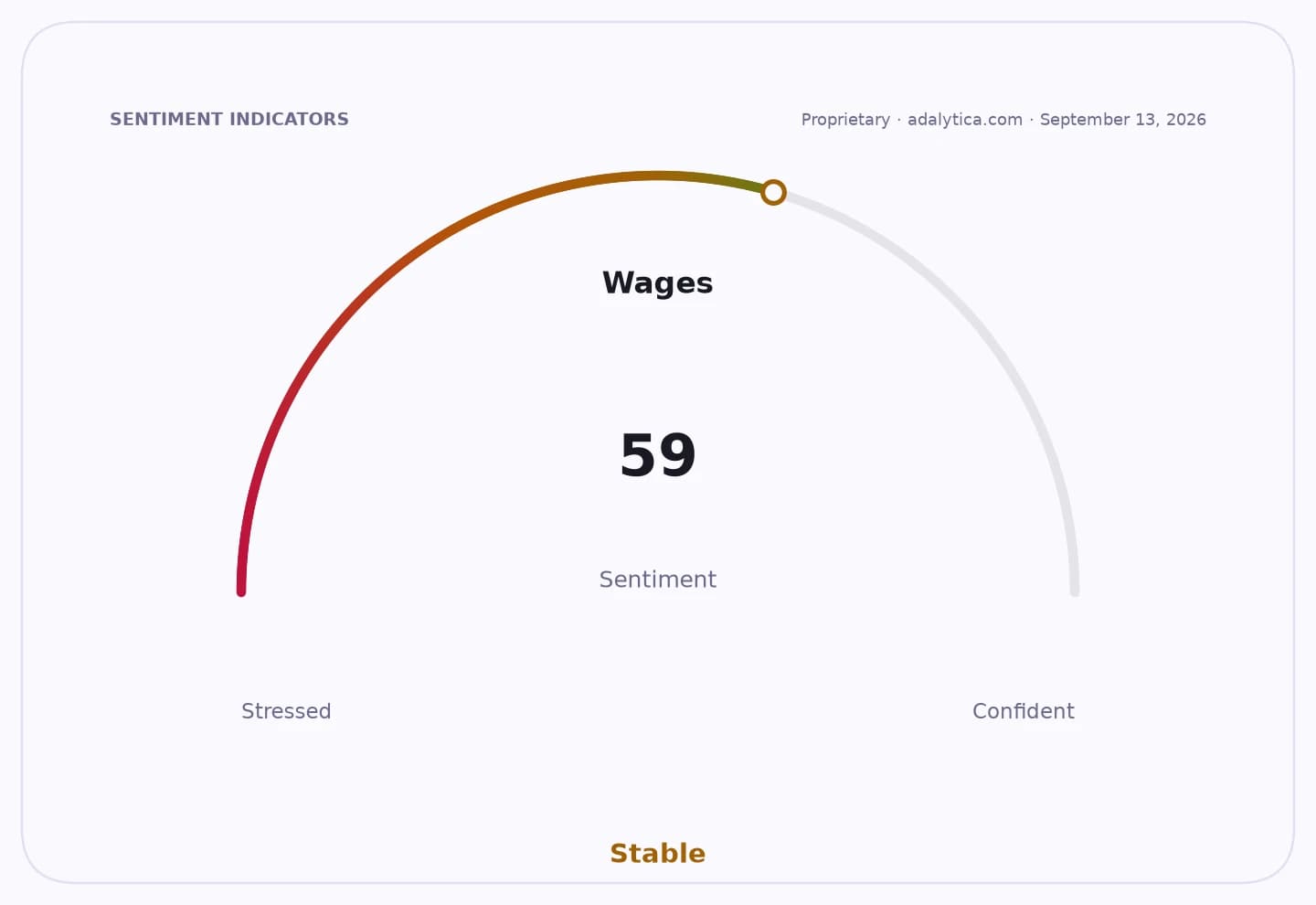
Romania’s wage bill strengthened in July as average net pay rose across much of the economy, a sign that domestic demand is still being supported by firmer incomes even as some sectors gave back earlier bonuses and one-off payments.
That matters because wages are one of the clearest gauges of household spending power, inflation pressure and the resilience of the economy’s internal engine. For investors, a firmer pay trend in Romania can support retailers, consumer lenders, utilities and domestic-facing companies, while also keeping the central bank alert to second-round inflation effects.
Official data showed the biggest monthly gains in legal and accounting activities, where average net wages jumped 23.4%, and in crude oil and gas extraction, up 20.2%. Other strong increases, between 8% and 14.5%, were recorded in architecture and engineering, technical testing, motor vehicle manufacturing, leasing, warehousing, coke and refined petroleum products, and other professional and scientific activities.
Smaller increases of 3.5% to 6.5% appeared in textiles, courier services, electricity and heat supply, gaming and betting, agriculture, clothing, private security, fishing, landscaping, metalurgy and retail. In the budget sector, net pay edged higher in health and social work, up 1.5%, and in public administration, up 0.6%, while education slipped 1.1%.
The pattern is telling. A large part of the rise appears to have been driven by bonuses, holiday pay, in-kind benefits and net profit-sharing, alongside stronger output or higher receipts in some industries and staff reductions in lower-paid roles. That means the headline wage picture is still noisy, but the breadth of gains across both industrial and service activities suggests the labor market remains tight enough to keep pay elevated.
At the same time, the declines in tobacco, publishing, computers and electronics, telecoms, machinery and pharmaceuticals show that not every pocket of the economy is participating. Those losses were partly explained by the absence of earlier bonuses and weaker production or billing in contract-based businesses.
For investors, the key takeaway is that Romania is not seeing a clean wage slowdown. That supports consumption, but it also means inflation may stay sticky enough to limit how aggressively policymakers can ease. The beneficiaries are domestic demand plays and companies with pricing power; the pressure points are rate-sensitive sectors, lower-margin exporters and businesses exposed to labor costs.
The next move will depend on whether July’s wage strength proves to be a one-off bonus effect or the start of a more durable pay trend. If earnings keep rising faster than productivity, Romania’s consumer economy may stay sturdier than the market expects — but so will the case for caution on bonds and the currency.
| Entity | Gains | Losses |
|---|---|---|
| Romanian households | ▲Higher purchasing power | ▼Higher living-cost pressure |
| Consumer and retail firms | ▲Stronger spending demand | ▼Margin pressure from wages |
| Central bank | ▲None | ▼Sticky inflation risk |
| Exporters and low-margin industries | ▲None | ▼Higher labor costs |