Drivers in Romania are facing another jump in fuel prices after diesel pushed above 28 lei a liter, a move that matters well beyond the pump because it feeds directly into transport costs, household budgets and the broader inflation outlook.
Romanian Diesel Spike Adds Inflation Pressure
The latest increase comes as global oil prices have swung sharply higher again, with benchmark crude trading well above the levels seen in early July and oil-linked funds rebounding in tandem. That backdrop is the immediate reason fuel retailers are able to lift prices, but the economic effect is more durable: higher diesel costs ripple through freight, agriculture, construction and retail, making it harder for companies to protect margins and for consumers to absorb another hit to purchasing power.
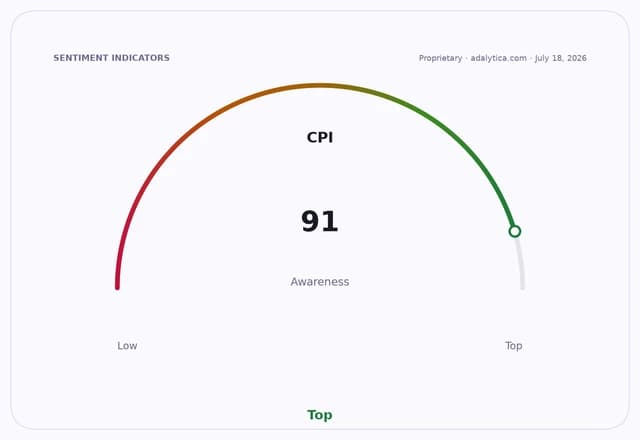
Diesel is especially important because it is the backbone fuel for heavy transport and much of industry. When diesel rises faster than gasoline, the impact is usually more inflationary than a similar move in petrol alone. Romania’s price caps and taxes do not prevent that pass-through; they only slow the timing. The current move suggests the market is still digesting a tighter global supply picture, while local motorists are simply seeing it first at the nozzle.
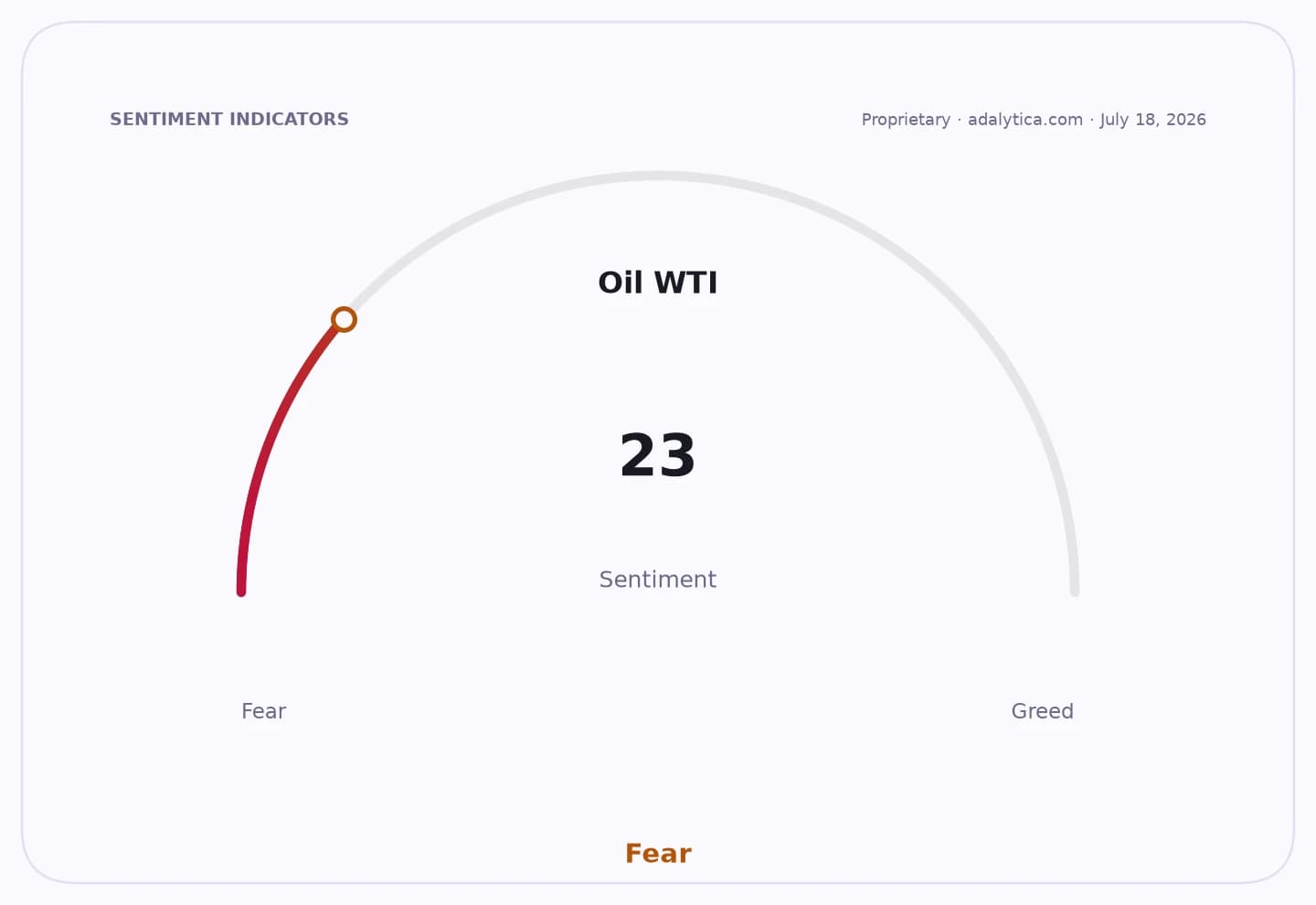
The global context is bearish for consumers and mixed for energy producers. Brent and WTI have been supported by geopolitical risk and tighter product markets, while U.S. oil benchmarks have rebounded from a June trough. Oil-sensitive ETFs have followed suit, and technical readings on U.S. crude exposure show the asset is no longer in oversold territory after the recent spike. Adalytica’s Oil WTI Trade Signals snapshot still shows fear, but that reflects how abruptly sentiment has swung rather than a conviction that prices will stay subdued.
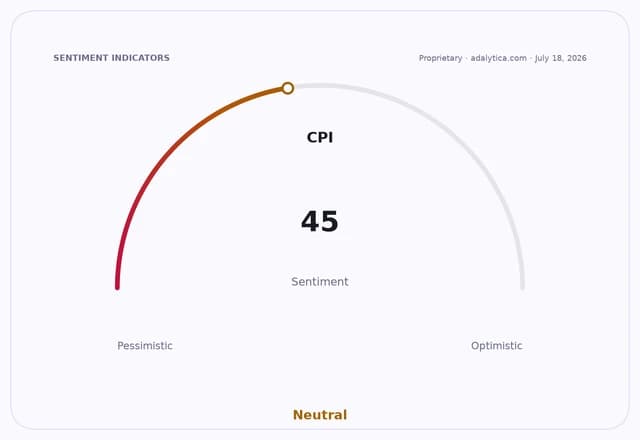
For investors, the key question is whether this is a temporary spike or the start of a more sustained inflation impulse. If crude stays elevated, downstream fuel distributors and refiners can keep passing through costs, while oil producers and integrated majors should benefit from firmer pricing. If prices ease, the gain for consumers would be quick, but the pain for transport-heavy businesses would already have been booked.
The market is also watching whether the price surge feeds into central bank thinking. A persistent diesel shock would complicate disinflation just as households and firms are looking for relief. That keeps fuel prices, not just crude, on the macro watch list over the coming week.
| Entity | Gains | Losses |
|---|---|---|
| Oil producers | ▲Higher realized prices | ▼None in the near term |
| Refiners and fuel retailers | ▲Wider pass-through margins | ▼Volume risk if demand weakens |
| Freight, agriculture, consumers | ▲None | ▼Higher operating and living costs |
| Inflation outlook / policymakers | ▲None | ▼Slower disinflation, tougher policy trade-offs |