Romanian farmers face lower prices and higher costs
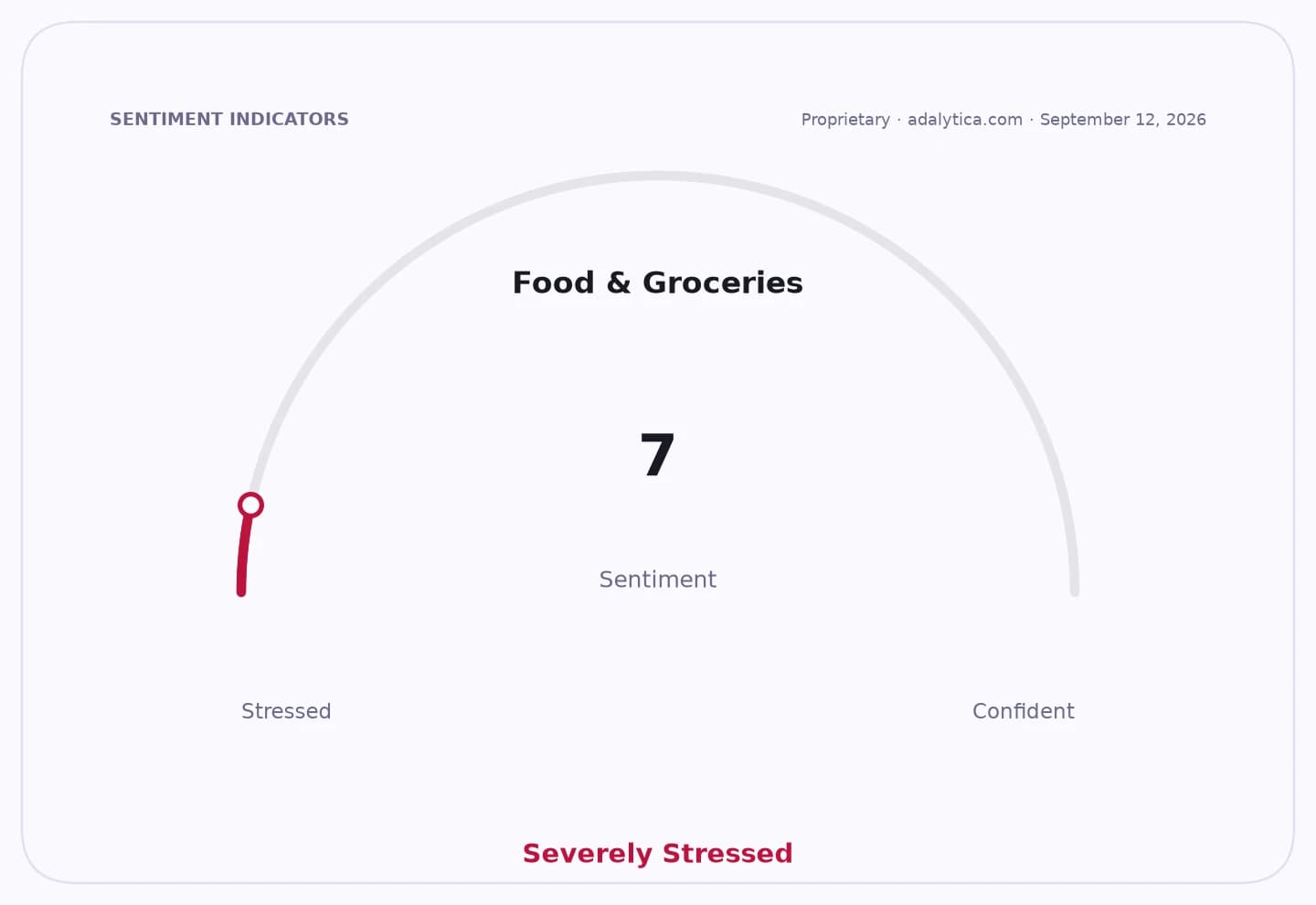
Romanian farmers are being squeezed from both sides: agricultural output prices across the European Union fell 5.8% in the second quarter while Romania posted one of the bloc’s sharpest jumps in production costs, deepening pressure on margins and raising the risk of another year of weak farm incomes.
That mismatch is economically important because agriculture is a volume business. When selling prices fall across Europe but input costs keep rising at home, producers lose pricing power exactly when they need it most. The result is a squeeze on cash flow, delayed investment, and weaker demand for seed, fertilizer, machinery and farm services — a drag that can ripple through rural economies and food supply chains.
The Romanian case stands out because it points to a broader imbalance in European agriculture: commodity markets are softening, but local cost structures are not. Eurostat data show EU farm-gate prices falling for a third straight quarter, a sign that farmers across the bloc are still adjusting to post-shock normalization in grain and other agricultural markets. Yet Romania is at the top of the EU league table for rising production costs, meaning domestic producers are absorbing inflation that competitors elsewhere may not be facing as intensely.
Energy and fuel remain part of the problem. Brent crude has bounced back toward the high $90s, and diesel-linked operating costs matter immediately for planting, harvesting and transport. That feeds straight into margins for Romanian growers, who are often less able than larger Western European operators to hedge inputs or pass costs down the chain. It also helps explain why agribusiness names tied to grain handling and merchandising can keep benefiting even when farmers struggle: when growers are forced to sell under pressure, intermediaries and traders often gain leverage.
For investors, the trade is not in the farm itself so much as in the toll roads around it. Corn and wheat-linked funds such as WEAT and CORN have already reflected renewed strength in crop prices, while broader agriculture exposure through DBA has stayed firm. But the deeper opportunity may be in companies that absorb stressed farmer supply and capture volatility — global grain merchants, processors and input distributors — rather than in upstream producers facing a cost-price squeeze.
The market underestimates how persistent this divergence can be. If farm prices remain under pressure into the autumn while input inflation in Romania and parts of Eastern Europe stays elevated, weaker operators will be forced to cut spending, defer capex and potentially reduce output next season. That sets up a classic second-order effect: the more painful the squeeze on farmers, the stronger the hand of those controlling logistics, storage, trading and food procurement. Position for the chain, not just the crop.
| Entity | Gains | Losses |
|---|---|---|
| Grain merchants / processors | ▲stronger bargaining power | ▼farm margins |
| Romanian farmers | ▲— | ▼rising input costs |
| Crop ETF holders | ▲price support | ▼lower yield farmers |
| Food buyers / consumers | ▲cheaper farm output | ▼volatile supply investment |