Rosneft denies fuel rationing at retail stations
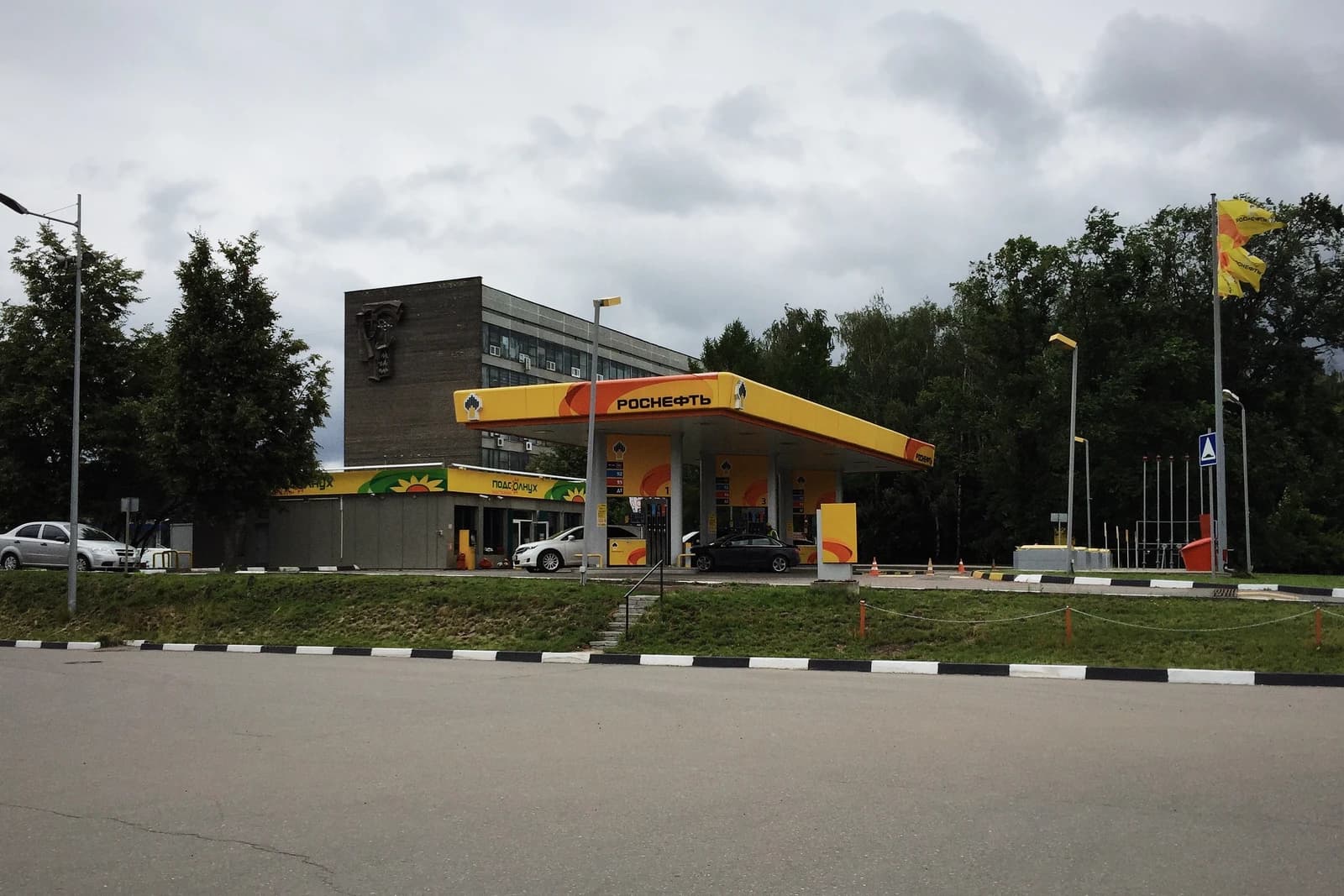
Rosneft said it will not restrict gasoline or diesel sales at its retail network, pushing back against reports of rationing as fuel markets in Russia and parts of Europe come under pressure from supply disruptions and higher prices.
The statement matters because Rosneft operates one of Russia’s biggest fuel station networks and any retail restrictions would be a sign that domestic supply tensions are worsening. Company chief Igor Sechin said all stations are fully supplied and operating normally, adding that Rosneft will continue to guarantee fuel availability across its network.
That message is aimed at calming consumers and policymakers after media reports claimed some Rosneft stations in several regions had limited fuel sold in canisters. Sechin said the company opposes “artificial hype” and warned that if other firms cut sales, it could make market conditions even more difficult.
Rosneft says its network includes about 3,000 filling stations across 62 Russian regions, as well as Belarus, Abkhazia, Kyrgyzstan and South Ossetia. For investors, the key issue is not Rosneft’s retail volume alone but whether broader fuel tightness in Russia feeds into refining margins, domestic price controls and government pressure on oil companies.
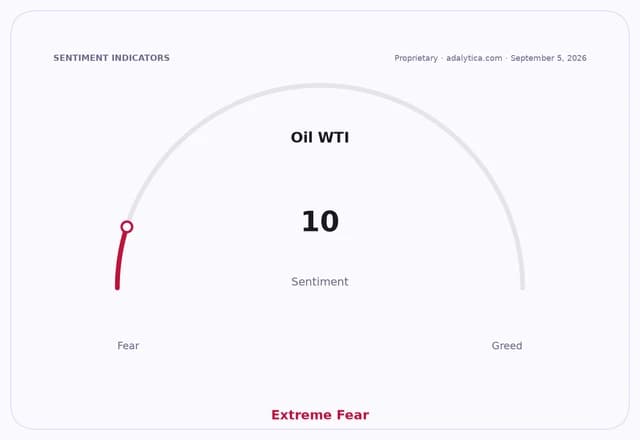
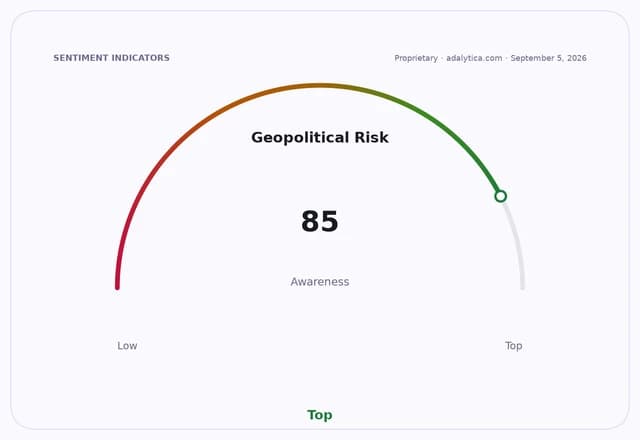
The backdrop is a volatile fuel market, with diesel and heating oil prices also rising sharply in Germany and other regions since Sept. 1 amid geopolitical तनाव and supply-chain strains. Adalytica’s oil WTI trade signal snapshot shows extreme fear in sentiment even as awareness remains elevated, underscoring how quickly energy markets are reacting to supply-risk headlines.
For now, Rosneft is signaling continuity rather than curbs, but the market will be watching whether other Russian fuel sellers follow suit and whether tighter supply starts to affect pump prices, margins and policy intervention in the weeks ahead.
| Entity | Gains | Losses |
|---|---|---|
| Rosneft | ▲Retail supply credibility | ▼Rationing rumors |
| Russian consumers | ▲Short-term fuel access | ▼Price pressure risk |
| Rival fuel sellers | ▲None | ▼Market share if they cut sales |
| Oil investors | ▲Supply clarity | ▼Margin uncertainty from tighter markets |