Rosneft Germany PCK dispute and oil market impact
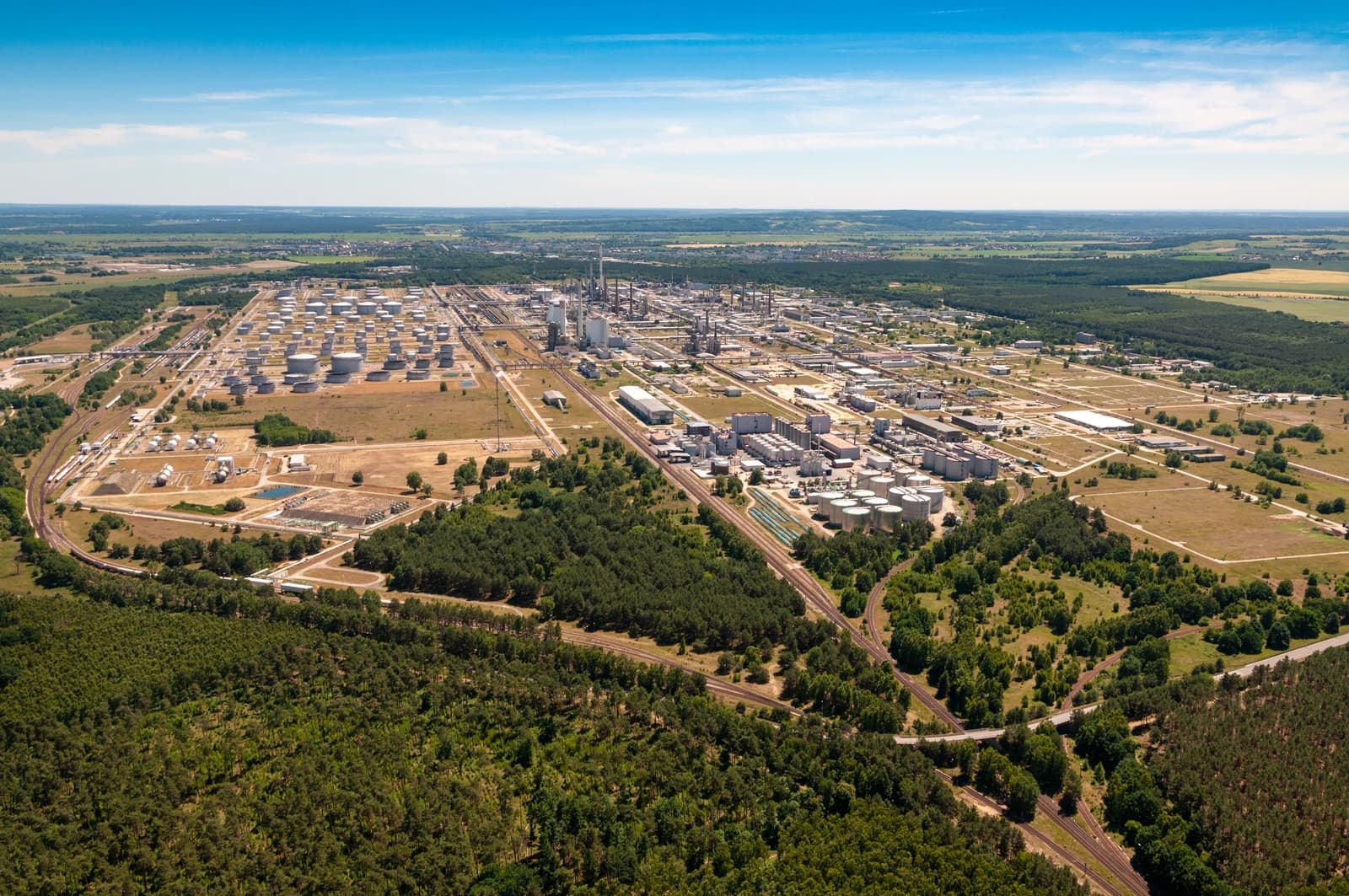
Europe’s attempt to keep fuel supplies stable is again colliding with geopolitics, with Rosneft’s German arm and the PCK refinery in Schwedt at the center of a dispute that goes beyond ownership to the resilience of the continent’s industrial fuel system.
The stakes are economic as much as political. PCK is one of Germany’s most important eastern refineries, and any disruption there would ripple through diesel, heating fuel and gasoline markets in a region that still depends on imported crude and tightly balanced refining capacity. In a market where Russian oil remains a geopolitical flashpoint, control, sanctions exposure and operational continuity matter as much as crude prices.
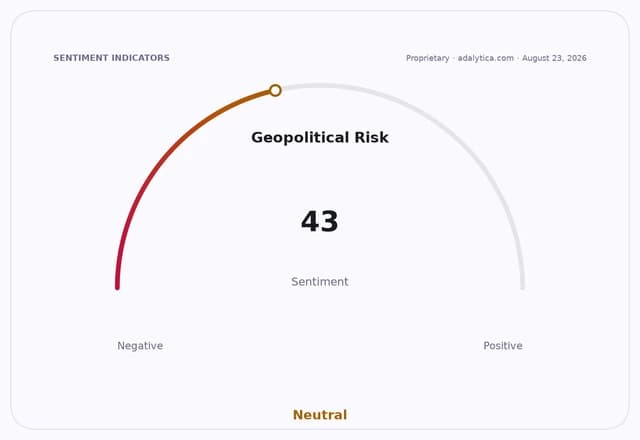
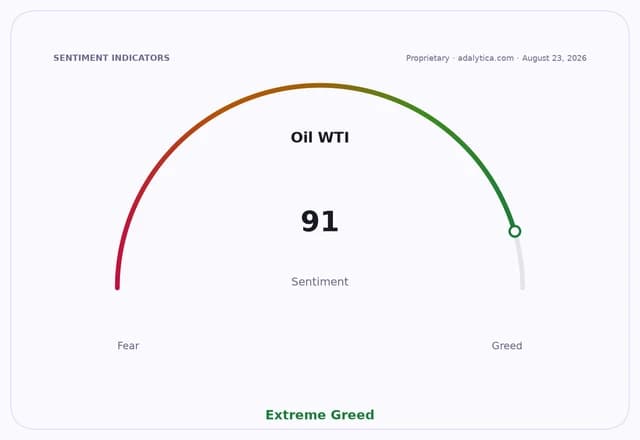
Brent-equivalent benchmark pressure remains elevated in the broader oil complex, even if headline WTI has been relatively steadier. WTI was last around $86.74 a barrel in the latest forecast, after trading at $86.48 and $86.04 in the previous sessions, keeping crude well above levels that would give refiners much relief. The backdrop is one of persistent tightness rather than crisis: US oil-market sentiment in Adalytica’s Oil WTI Trade Signals gauge is at 91, labeled “Extreme Greed,” while global stability sentiment remains neutral. That combination suggests traders are still pricing supply risk, but not an outright shock.
For Rosneft Germany, the issue is whether a politically sensitive asset can keep operating normally while Berlin balances energy security with sanctions policy. For PCK, the question is simpler and more immediate: who ultimately controls decisions on crude sourcing, maintenance and investment. For German policymakers, leaving the refinery in limbo risks undercutting fuel security in a country whose energy system was already forced to reconfigure after Russia’s invasion of Ukraine.
The market implications are broader than one refinery. European refining margins have been supported by constrained capacity and firm product demand, and any fresh disruption in Germany would likely tighten regional diesel availability further. That would favor refiners such as Exxon Mobil, BP and Valero, all of which are trading well above their 200-day moving averages and reflect a sector still benefiting from strong margins, even after recent volatility. Exxon closed at $165.11, above its 50-day and 200-day averages, while Valero ended at $348.86, far above its long-term trend, underscoring how resilient the refining trade remains.
Higher crude also leaves import-dependent economies more exposed. A sustained move near current levels would keep pressure on transport costs, inflation and industrial margins across Europe, particularly if refining bottlenecks turn a crude-price problem into a fuel-price problem. For governments, that creates an uncomfortable trade-off: preserve supply through controversial assets, or accelerate the unwinding of Russian-linked infrastructure and risk short-term scarcity.
Investors will be watching whether the PCK dispute leads to a durable ownership or governance resolution, or whether it becomes another drawn-out example of Europe keeping legacy Russian energy assets running under political supervision. The nearer-term read-through is clear: as long as oil stays firm and regional refining capacity stays tight, energy security remains a balance-sheet issue, not just a policy slogan.
| Entity | Gains | Losses |
|---|---|---|
| Rosneft Germany / PCK | ▲Continued operating leverage | ▼Loss of control, regulatory pressure |
| German government | ▲Short-term fuel supply stability | ▼Political and legal exposure |
| European refiners | ▲Stronger margins | ▼Tighter competition for crude/products |
| Fuel consumers / industry | ▲Supply continuity if PCK runs | ▼Higher diesel and transport costs |