Rotterdam Leads EU Ports in 2024 Cargo Traffic
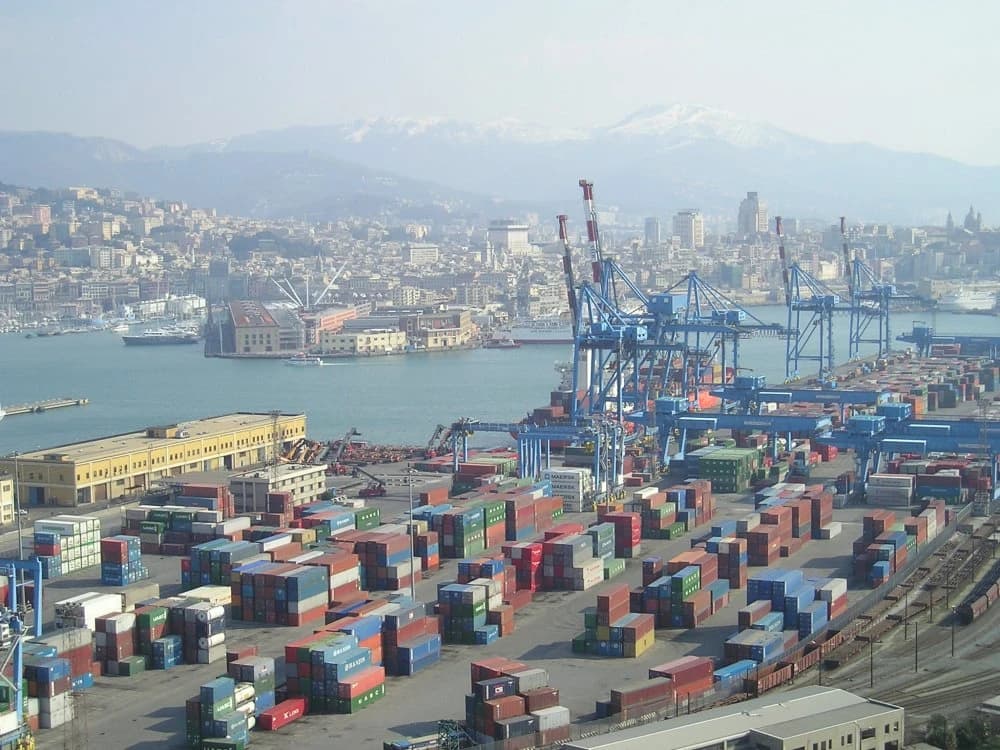
Europe’s seaborne trade is increasingly concentrated in a handful of hubs, with Rotterdam and Antwerp-Bruges handling far more cargo than any other EU ports as shipping routes, energy flows and war risk keep maritime logistics central to the region’s economy.
That concentration matters because Europe depends on the sea for almost 90% of its external goods trade, according to the EU’s Blue Economy Observatory, making ports not just infrastructure but a critical input for energy security, industrial supply chains and consumer prices. In 2024, EU ports handled about 3.4 billion tons of cargo, roughly a quarter of global seaborne trade, underscoring how exposed the bloc remains to disruptions in shipping lanes and chokepoints.
Eurostat’s latest figures show Rotterdam remained the EU’s busiest port by total traffic, moving 397.3 million tons of goods in 2024. Antwerp-Bruges followed with 243.7 million tons, while Hamburg came a distant third at 97 million tons. The gap between the top two and the rest of the field highlights how deeply trade is funneled through a small number of North Sea gateways that serve as entry points for fuel, industrial inputs and containerized imports.
For investors, that matters in more than one way. Strong port throughput supports the revenue outlook for shipping lines, terminal operators, logistics providers and tanker owners by reflecting resilient trade volumes and, in some cases, longer routes that can tighten vessel availability. It also speaks to the pricing backdrop for carriers exposed to spot markets, where geopolitical disruption can quickly lift freight rates. Natural gas, crude oil and refined-product flows remain especially sensitive to rerouting risk, and the sector has been forced to absorb the consequences of conflict in the Middle East and continuing instability around key maritime corridors.
The economic impact runs beyond the shipping companies. Ports are transmission points for inflation: when congestion rises or routes lengthen, freight costs increase, inventories take longer to replenish and importers face higher working capital needs. That can feed through to producers and consumers across the continent, especially in energy-intensive economies and in countries where port capacity is already tight. It is why expansion plans in major terminals are drawing attention well beyond the industry, as policymakers worry that bottlenecks could weaken competitiveness and complicate efforts to support growth.
The rankings also show how competitive Europe’s port system is below the dominant pair. Algeciras handled 81.5 million tons, Amsterdam 78.8 million, HAROPA in France 76.6 million, Gdansk 71 million, Marseille 66 million and Valencia 64.5 million. That spread suggests the battle for cargo is not just between countries but between logistics corridors, with ports competing on depth, rail links, storage capacity and access to inland markets.
For markets, the key question is whether geopolitical turbulence translates into sustained freight demand or only temporary spikes. A prolonged disruption in trade routes would favor tanker and shipping operators with exposure to longer-haul voyages, while import-dependent manufacturers, retailers and freight forwarders would face higher costs. If flows normalize, the benefit to carriers may fade quickly, leaving congestion and port investment as the more durable investment theme.
| Entity | Gains | Losses |
|---|---|---|
| Rotterdam, Antwerp-Bruges | ▲Higher throughput, hub power | ▼Smaller rival ports |
| Shipping lines and tanker owners | ▲Longer routes, firmer freight rates | ▼Importers and freight-sensitive buyers |
| Energy and industrial suppliers | ▲Stable access to major gateways | ▼Congested or route-dependent importers |
| European consumers | ▲Better supply security if capacity expands | ▼Higher transport and inventory costs when routes are disrupted |