Royal Caribbean Prices Late Bookings as Demand Stays Firm
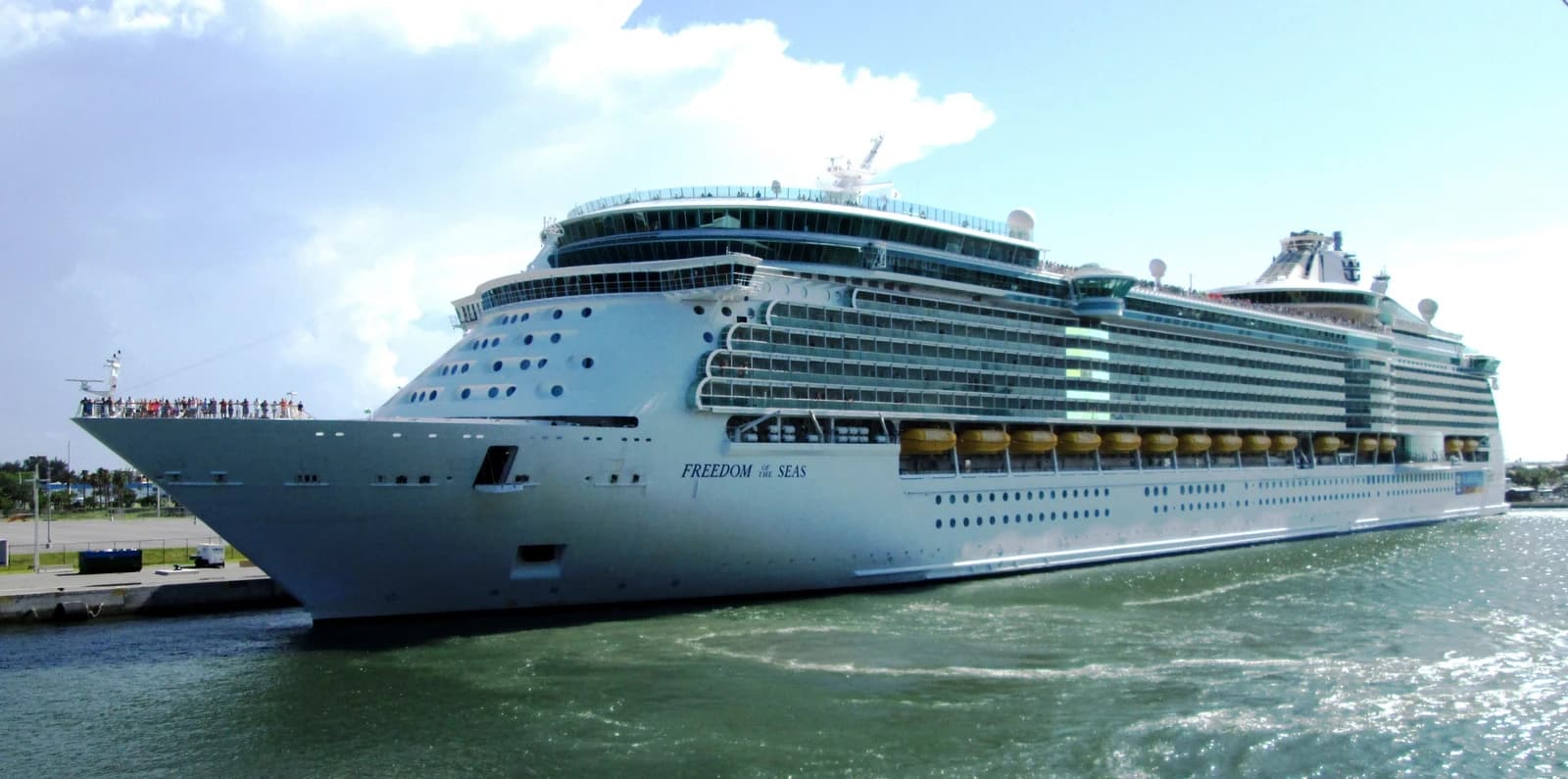
Royal Caribbean is leaning harder on last-minute demand to lift revenue, a sign the cruise line thinks it can charge more for closer-in bookings even as the sector has already seen a sharp run-up in share prices.
That matters because cruise operators make their money on yield, not just occupancy. If Royal Caribbean can extract more from travelers booking late, it can improve ticket revenue and onboard spending without needing the kind of across-the-board discounting that would usually signal weakening demand. For an industry still trying to prove it can sustain pricing power after a post-pandemic surge, the shift suggests the best customers may now be those willing to wait.
The timing is notable. Royal Caribbean’s shares jumped to 322.50 on July 28 from 293.54 three trading sessions earlier, leaving the stock above both its 50-day and 200-day moving averages. The move came alongside a relatively high RSI reading of 75.2, which points to strong momentum but also a market that may be getting stretched. Even so, the price action indicates investors are rewarding signs that late-booking demand remains firm enough to support a more dynamic pricing strategy.
The cruise group’s latest results reinforce that view. Royal Caribbean reported second-quarter net income attributable to the company of $1.13 billion, down slightly from $1.21 billion a year earlier, but the bigger issue for investors is whether it can keep expanding margins after years of aggressive fare increases. Its ability to monetize late demand would help offset cost inflation and debt servicing, both of which remain important for a capital-intensive business that still carries meaningful leverage.
The broader industry backdrop is mixed. Carnival shares have also rallied, with the stock up to 28.23 from 25.27 over the same recent stretch, while Norwegian Cruise Line has climbed to 21.22 from 19.37. That suggests the market is still betting on a healthy booking environment across the sector. But Royal Caribbean’s strategy hints at a more selective approach: rather than relying on volume alone, it is trying to capture the premium that often comes with procrastinating travelers and tighter close-in supply.
For investors, the key question is whether this is a sustainable yield tactic or a short-term demand tailwind. Bulls will argue that late-booking strength shows consumers are still willing to pay up for cruises, especially during peak travel periods. Bears will say the strategy can only work as long as inventories stay constrained and consumers do not become more price sensitive. The next test will be whether Royal Caribbean can hold pricing into the late summer and holiday booking windows without sacrificing load factors.
| Entity | Gains | Losses |
|---|---|---|
| Royal Caribbean | ▲Higher yield on late bookings | ▼Risk of demand fade if prices rise too fast |
| Cruise investors | ▲Better margin visibility | ▼Higher valuation risk if momentum cools |
| Travelers booking early | ▲Less chance of discounted fares | ▼Pay up if late demand stays strong |
| Rivals such as Carnival and Norwegian | ▲Sector pricing discipline if demand holds | ▼Pressure to match late-booking tactics |