RTX, Lockheed, Northrop rise on Europe air defense demand
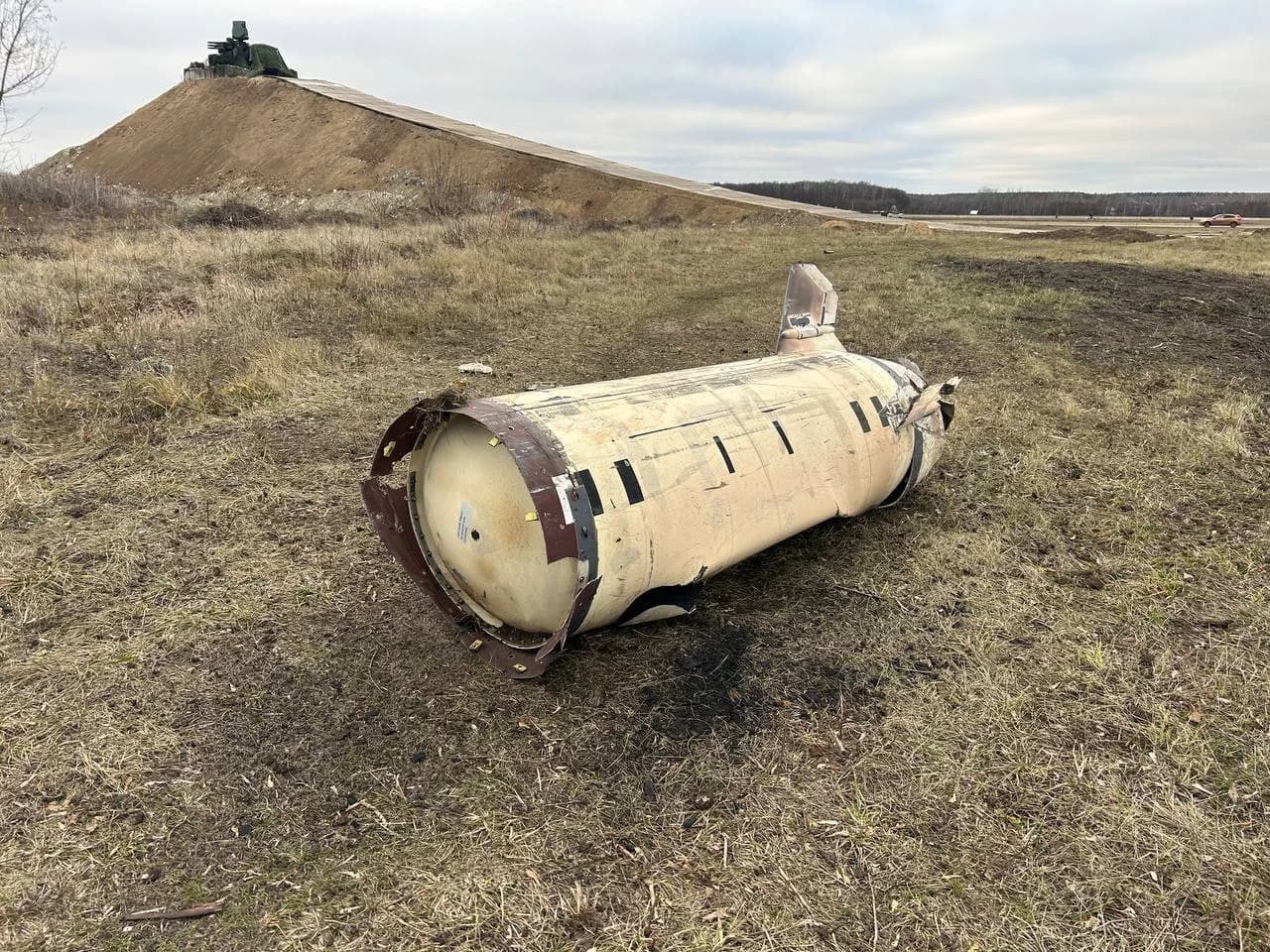
Russia’s widening air campaign and Ukraine’s inability to shut it down are deepening the military imbalance over the battlefield, lifting pressure on Kyiv’s allies and bolstering demand for air defense systems across Europe and the U.S. defense sector.
That is the market and geopolitical significance behind warnings from a former CIA analyst that Russia is on its way to dominating Ukrainian airspace. The assessment lands as the war enters another phase of attritional strikes, with both sides still carrying out long-range attacks and civilian casualties mounting. It also comes as Sweden has summoned the Russian representative over alleged airspace violations linked to the conflict, underlining how the war is spilling further into NATO’s security perimeter.
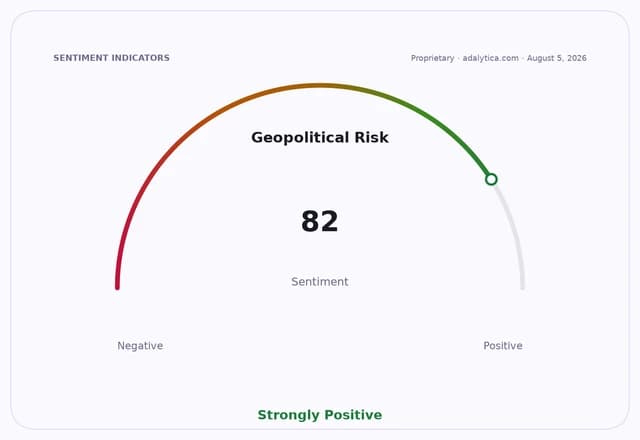
For Ukraine, losing the contest in the air would have clear military consequences. A Russian edge in airborne operations would make it harder to protect front-line logistics, command nodes and critical infrastructure, while increasing the cost of every counteroffensive move. It would also sharpen the risk that Russia can sustain pressure on civilian targets and defensive systems faster than Ukraine can replace them, especially as Western air-defense inventories remain finite and procurement cycles long.
The economic implications extend beyond the battlefield. A more dominant Russian air posture raises the likelihood of prolonged war damage, larger reconstruction needs and continued disruption to regional trade and energy markets. It also reinforces a security premium across Europe at a time when governments are already preparing to spend more on missiles, interceptors, radar and layered air defenses.
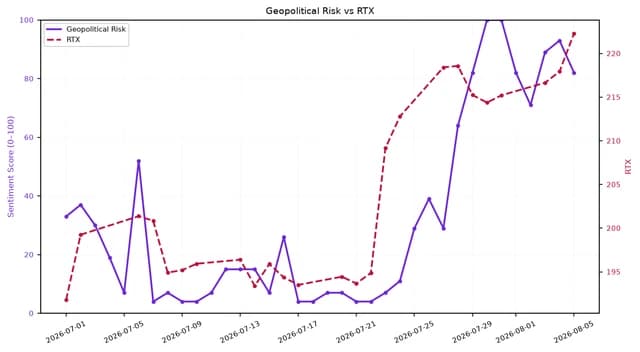
That matters directly for investors in defense contractors. RTX, Lockheed Martin and Northrop Grumman have all seen their shares move higher over the past year as orders tied to Ukraine, NATO rearmament and missile-defense replenishment have supported the sector. RTX traded at $222.31 on Aug. 5, up from $150.03 on Sept. 9, 2025, while Lockheed Martin rose to $577.60 from $496.21 over the same broad period and Northrop Grumman climbed to $557.47 from $565.02 after a sharp spring pullback. The stocks’ technical readings also point to strong momentum: RTX’s relative strength index was 85.3, Lockheed’s 74.4 and Northrop’s 71.4, with all three above their 50-day moving averages, suggesting the market is still pricing in sustained defense demand.
The bull case for the group is that the war’s persistence and Europe’s rearmament cycle should keep order books elevated well beyond any near-term ceasefire hopes. The bear case is that the stocks may already be discounting much of that demand, leaving them vulnerable if political momentum for talks strengthens or if production bottlenecks limit margin upside.
For Ukraine and its backers, the immediate issue is less whether Russia has achieved air superiority in a formal sense than whether it can increasingly dictate the tempo of the war from above. For investors, that makes air defense procurement, missile replenishment and NATO spending one of the clearest second-order trades from a conflict that shows little sign of easing.
| Entity | Gains | Losses |
|---|---|---|
| Russia | ▲Airstrike leverage | ▼Higher sanctions risk |
| Ukraine | ▲Western arms support | ▼Airspace control |
| RTX, LMT, NOC | ▲Defense demand | ▼Valuation risk |
| NATO members | ▲Rearmament urgency | ▼Budget pressure |