Rupee Falls to 94.95 as Brent Nears $100
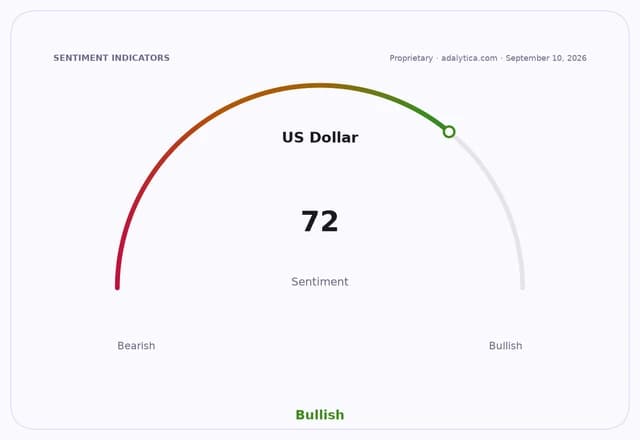
The rupee fell 21 paise to 94.95 against the US dollar on Wednesday as escalating US-Iran tensions pushed Brent crude to within striking distance of $100 a barrel, raising India’s import bill and pressuring a currency already tracking weak domestic equities.
Higher oil prices matter immediately for India because the country imports most of its crude, so any sustained move toward $100 can worsen the trade deficit, stoke inflation and complicate the Reserve Bank of India’s room to maneuver. The move also hits market sentiment at a time when investors are already wary of risk assets, with Sensex and Nifty both opening sharply lower.
At the interbank foreign exchange market, the rupee opened at 94.80 and slipped to 94.95, after closing at 94.74 in the previous session. Traders said the currency was weighed by geopolitical risk as US and Iran attack each other, with fears of disruption to oil flows through the Strait of Hormuz adding to pressure on the energy market.
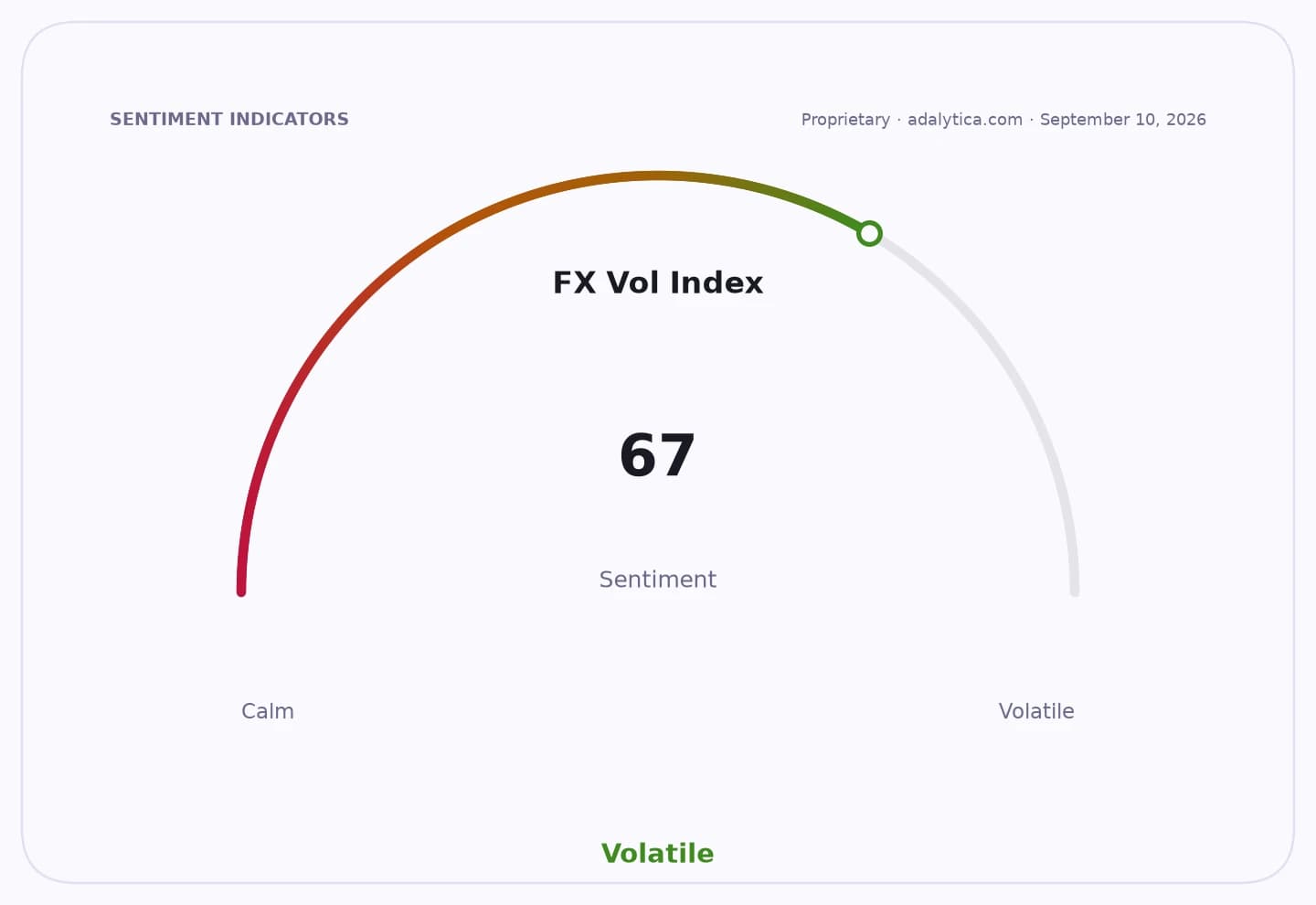
Brent crude was last up 1.41% at $99.30 a barrel in futures trade, while the dollar index was marginally lower at 98.76, offering only limited support to the rupee. A weaker greenback helped cushion the decline, but not enough to offset the jump in oil and the broader selloff in domestic equities.
Foreign institutional investors sold shares worth Rs 123.19 crore on Tuesday, adding another layer of pressure on the currency. Mirae Asset Sharekhan analyst Anuj Choudhary said the rupee is likely to keep a negative bias if crude stays elevated, though a softer dollar could cap losses near term.
For investors, the key risk is that a sustained oil shock could ripple through inflation, corporate margins and foreign flows at the same time, leaving the rupee vulnerable even if the dollar stays subdued. Traders will now watch US and India inflation data, as well as developments in the Middle East, for clues on whether USD/INR stays trapped in the Rs 94.70-Rs 95.15 range or breaks higher.
| Entity | Gains | Losses |
|---|---|---|
| Oil producers | ▲Higher crude revenues | ▼Importing economies |
| Indian importers | ▲Softer dollar offset | ▼Higher fuel costs |
| US dollar bears | ▲Mild currency relief | ▼Safe-haven buyers |
| Indian equities | ▲None | ▼Lower risk appetite |