Russell 2000 and small-cap momentum weakens
Small-cap stocks with limited share float and insider-friendly ownership are still drawing buyers, even as the broader market has turned cautious. That matters because this is exactly the kind of corner of the market that can compound fastest when risk appetite returns: tighter floats can magnify moves, and stocks with real momentum often stay bid longer than skeptics expect.
The clearest backdrop is the Russell 2000 ETF, IWM, which has climbed to 289.87 after a volatile year, but is now trading below its 50-day moving average of 296.30 and sitting under its Bollinger Band midpoint. Its RSI reading of 33.0 suggests the fund is weak, not washed out, while the MACD remains below its signal line. In plain English, small caps have lost some near-term traction, but they have not broken the longer-term uptrend that has lifted the fund well above its 200-day average of 273.17.
That split matters for investors because weakness in the broad small-cap benchmark often pushes capital toward a narrower set of names with better relative strength. The seed theme here — insider favorites with limited float and positive price momentum — is built for that kind of market. When fewer shares are available and conviction buyers show up, prices can move sharply on relatively modest demand. For long-term investors, that can create opportunity, but it also raises the bar for discipline. The winners in this lane are usually the companies with real earnings power, not just a story and a thin trade.
The technical picture across small-cap proxies reinforces that message. RZV, a small-cap value fund, sits at 146.79, below its 50-day average of 149.63 and with RSI around 39, showing a market that is still cooling after an earlier rally. SMLV, a small-cap low-volatility fund, is holding near 155.35, also under its 50-day average, with RSI at 27.1. That combination says investors are not broadly rushing into the smallest names; instead, they are likely being selective, favoring stocks with insider alignment, scarce shares and price strength over the rest of the pack.
That selectivity is important economically because small caps tend to be more sensitive to financing conditions, labor costs and demand swings than megacaps. When the group lags, capital often concentrates in the most resilient businesses first. If small-cap momentum broadens later, the early leaders in insider-heavy, low-float screens can keep outperforming as portfolio managers chase relative strength. If risk appetite fades again, those same names can give back gains quickly.
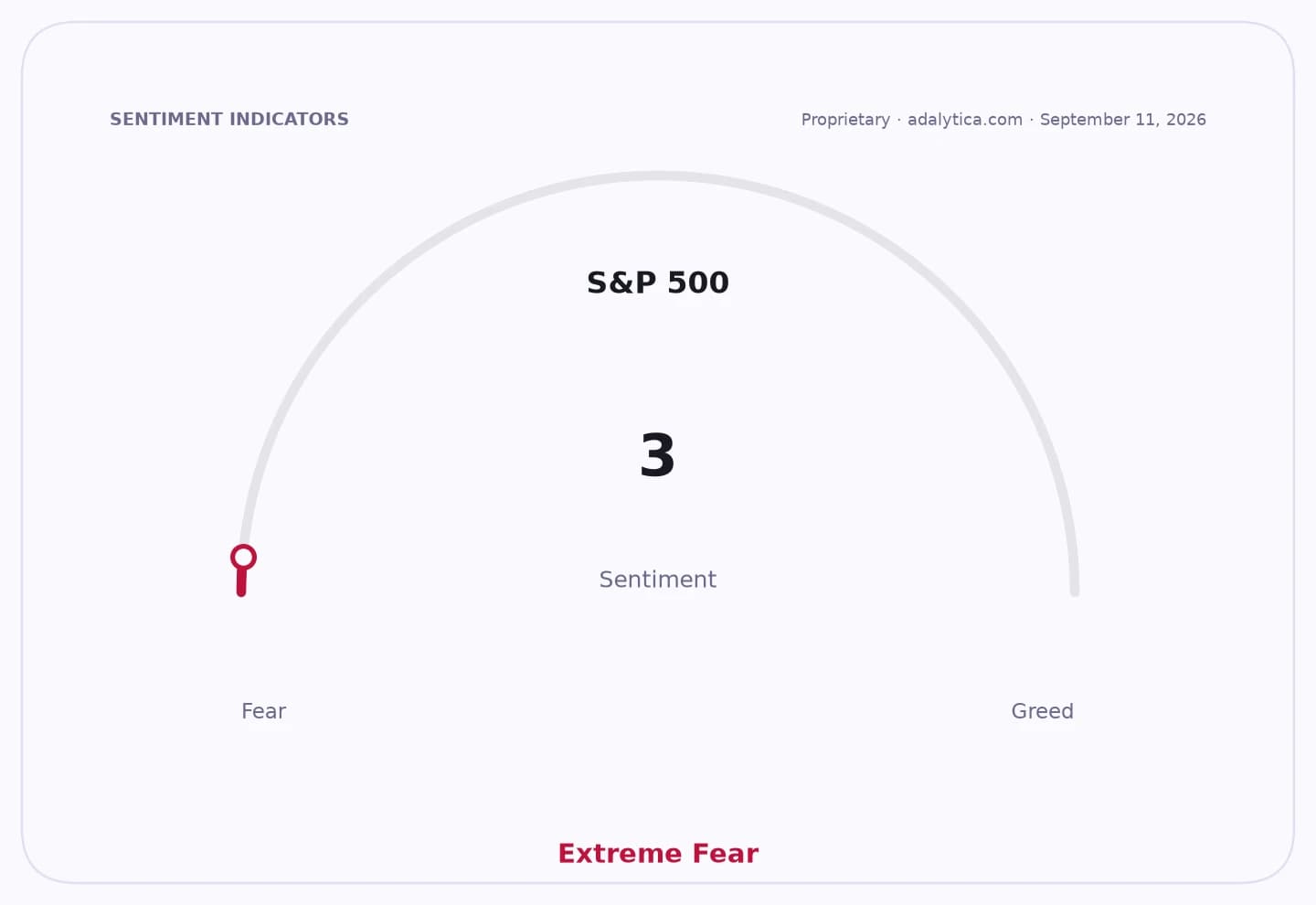
For investors, the lesson is not to chase every sharp move, but to respect the compounding power of businesses that insiders are willing to own and that the market is already rewarding. In a market where SPY sentiment has slipped into extreme fear, that kind of patience can pay off. The best approach is still the old-fashioned one: own a diversified basket, focus on durable fundamentals, and let momentum work for you over three to 10 years, not three to 10 days.
These insider-favorite small caps are worth watching, but the real edge comes from buying only the ones that can keep growing after the momentum fades.
| Entity | Gains | Losses |
|---|---|---|
| Insider-favorite small caps | ▲Higher bids, stronger momentum | ▼Short-term volatility |
| Large-cap indexes | ▲Relative safety | ▼Attention from growth seekers |
| Patient long-term investors | ▲Compounding opportunities | ▼Missed quick gains |
| Late momentum chasers | ▲Fast upside if trend lasts | ▼Sharp reversals |