Russia, Belarus use SCO summit to reject isolation
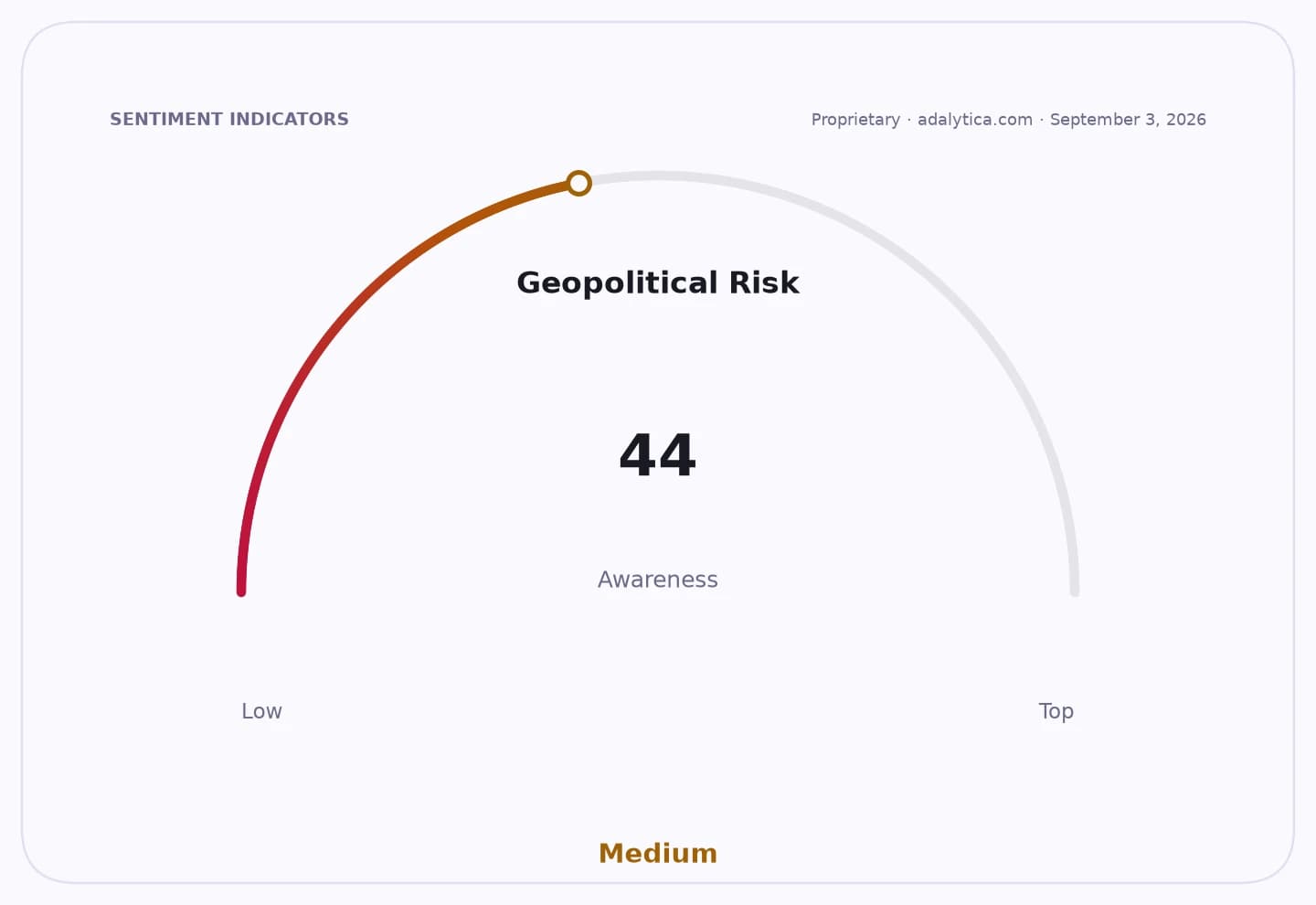
Russia and Belarus used the Shanghai Cooperation Organisation summit in Bishkek to push back against Western claims of isolation, with the gathering highlighting how Moscow and Minsk still have access to a large and politically diverse Eurasian bloc that now sits at the center of a multipolar diplomatic contest.
That matters economically because the SCO is not just a symbolic forum. It brings together countries that account for a majority of the world’s population and a growing share of trade, energy flows and infrastructure investment, giving Russia and Belarus more room to argue that sanctions and diplomatic pressure have not sealed off their external options. Even if Western capitals continue to treat the two countries as pariahs, the summit showed they remain embedded in a network of states that can shape regional security, logistics and commercial ties.
The meeting in Kyrgyzstan also reinforced the political message that Moscow and Minsk are not acting alone. Oleg Gaidukevich, a senior Belarusian lawmaker, said the summit disproved “fairy tales” about isolation and pointed to the visibility of Vladimir Putin and Alexander Lukashenko on a stage that included leaders from India, China and Central Asia. For the Kremlin and Belarusian authorities, that visibility is itself a strategic asset: it helps sustain domestic narratives of resilience, strengthens bargaining power with non-Western partners and signals that sanctions have limits when the rest of Eurasia remains engaged.
The economic implications are indirect but important. The SCO’s broadening role can support alternative trade routes, energy cooperation and settlement arrangements less dependent on Western institutions. That does not erase the effects of sanctions on Russia’s economy or Belarus’s constrained external financing, but it does suggest they retain pathways to commerce, imports and political legitimacy through non-Western channels. For investors, that means the geopolitical premium attached to Russia-related assets remains tied not only to sanctions risk, but also to the durability of its relationships with China, India and regional partners.
There are still clear limits. The SCO is a forum, not a mutual-defense bloc, and its members have different interests that can prevent deeper alignment. India continues to balance relations carefully, China avoids open endorsement of Russian military escalation, and Belarus remains more dependent on Russia than on the wider bloc. But the optics and the substance of the summit both point in the same direction: Russia and Belarus are not isolated in the way Western critics describe, and their ability to operate economically and diplomatically depends increasingly on a Eurasian framework that is likely to remain relevant.
For markets, the takeaway is that the geopolitics of Russia and Belarus are becoming less about outright exclusion and more about fragmented integration. That keeps sanctions, counter-sanctions, trade diversion and energy rerouting as live forces for commodities, sovereign risk, transport links and emerging-market allocations.
| Entity | Gains | Losses |
|---|---|---|
| Russia | ▲Diplomatic legitimacy | ▼Western isolation narrative |
| Belarus | ▲Regional visibility | ▼Perception of marginalization |
| SCO members | ▲Greater strategic influence | ▼Pressure from Western blocs |
| Western policymakers | ▲None | ▼Narrative credibility on isolation |