Russia China AI Cooperation at SCO Summit
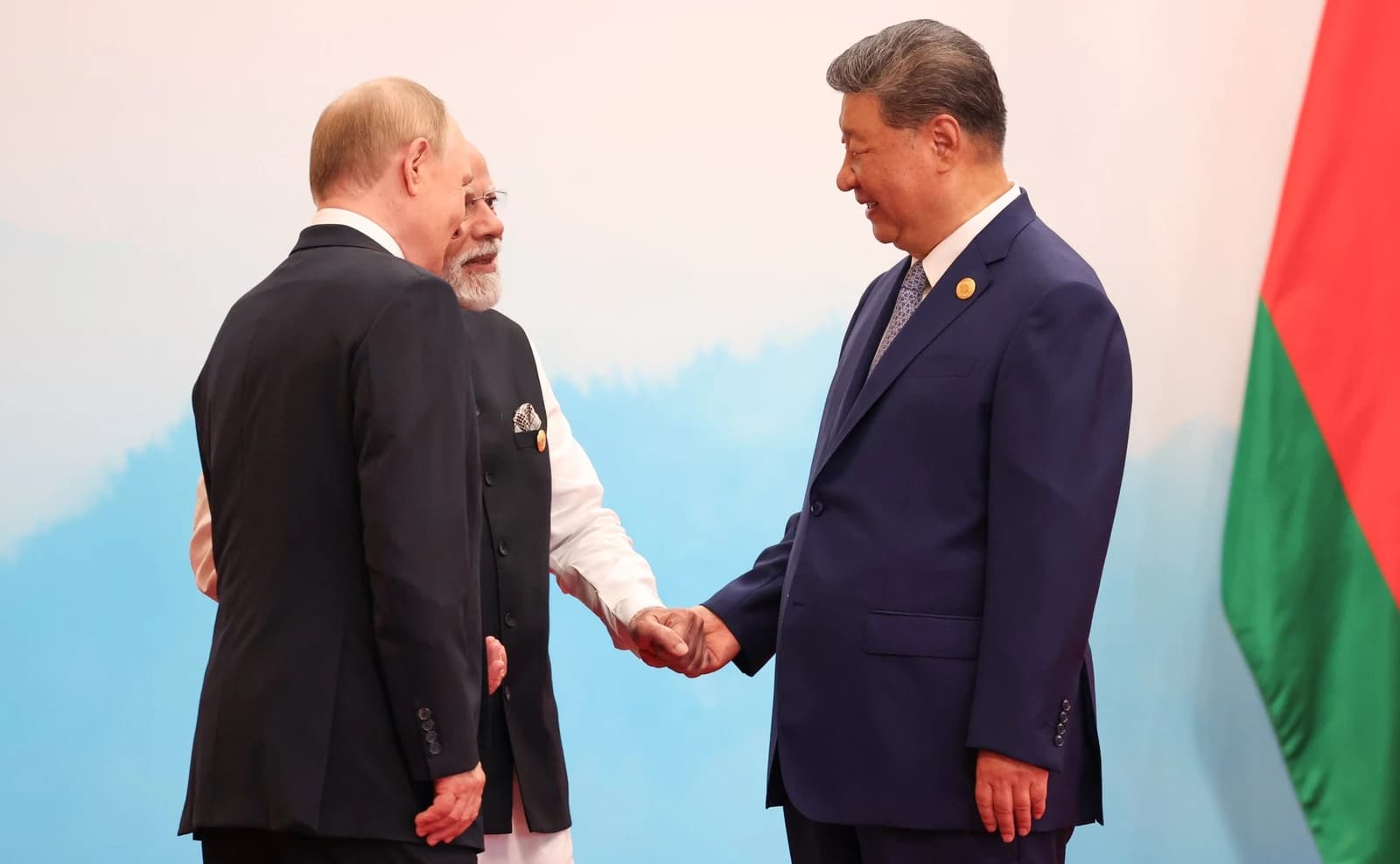
Vladimir Putin said Russia is seeking deeper cooperation with China on artificial intelligence and digital innovation, using a Shanghai Cooperation Organization summit to showcase a widening bloc of countries pushing back against U.S. pressure.
The announcement matters because it ties AI more directly to geopolitics, not just technology competition. China is already Russia’s biggest buyer of crude, and the two countries have been tightening trade, defense and digital links as Moscow endures sanctions over Ukraine and Beijing faces escalating trade friction with Washington.
Putin made the comments in Bishkek after meeting Xi Jinping, calling the Russia-China strategic partnership a model for state-to-state relations. Xi said the ties were becoming more solid and said the world faces greater “uncertainty and unpredictability,” language that fits Beijing’s effort to present itself as a stabilizing force outside the Western system.
The summit brought together leaders from Iran, India, Turkey and Pakistan, underscoring how the SCO is becoming a platform for countries under varying degrees of U.S. pressure to coordinate on security, trade and technology. That grouping matters economically because it links major energy suppliers and large consumer markets across Eurasia, while also giving China a wider stage to sell itself as the center of a non-Western economic order.
For investors, the message is that U.S.-China rivalry is spilling further into AI supply chains, export controls and state-backed technology ecosystems. Shares of Nvidia, AMD and other semiconductor names have been sensitive to any sign of tighter restrictions on China and Russia, while the push for domestic or allied AI stacks could support non-U.S. vendors over time.
The broader backdrop is a world of more fragmented trade, more sanctions risk and more government influence over tech investment. The next catalysts are likely to come from any new U.S. restrictions on advanced chips and software, as well as follow-up deals from Beijing and Moscow on energy, infrastructure and digital infrastructure.
| Entity | Gains | Losses |
|---|---|---|
| China | ▲Wider AI influence | ▼More U.S. scrutiny |
| Russia | ▲Technology access | ▼Sanctions pressure |
| U.S. chipmakers | ▲Export-control clarity | ▼China/Russia demand risk |
| Iran and SCO partners | ▲More backing outside West | ▼Deeper geopolitical isolation |