Russia China ties deepen over trade and AI
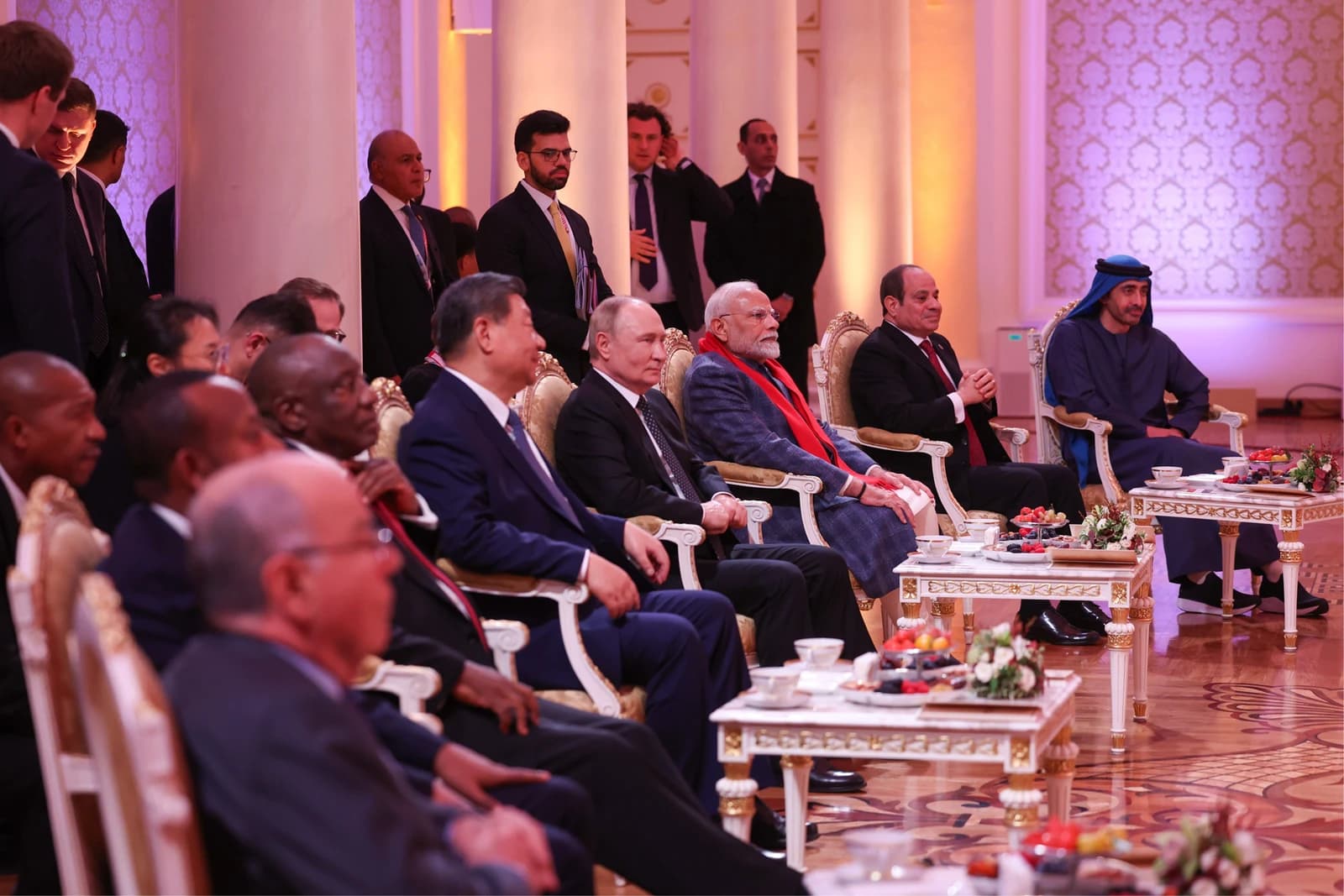
Russia’s relationship with China is moving deeper into strategic territory, with President Vladimir Putin publicly assessing ties as the two countries expand cooperation in trade, artificial intelligence and areas that can reinforce Moscow’s war machine. That matters because the partnership is no longer just diplomatic: it is increasingly shaping energy flows, sanctions enforcement, military capability and the balance of power with the U.S.
The immediate market backdrop underscores why investors are watching. Brent-linked oil exposure remains firm, with U.S. crude around $91.75 a barrel in the latest forecast and the U.S. Oil Fund trading near $141.13 after a sharp run-up from below $85 in late August. Ten-year Treasury yields are also sitting near 4.78%, suggesting investors are still pricing in a sticky mix of inflation, fiscal pressure and geopolitical uncertainty.
China’s reported help in improving the lethality of Russia’s Shahed-style drones adds a more direct security dimension to the relationship. For Western governments, that raises the cost of trying to contain Moscow through sanctions alone, because the industrial and technological support appears to be coming from a major global manufacturing power with deep supply-chain reach.
For energy markets, closer Russia-China coordination can help keep Russian barrels flowing into alternative channels even under sanctions, which can reshape shipping patterns, discounts and regional pricing. Exxon Mobil and Chevron have both flagged geopolitical volatility, trade restrictions and supply disruptions as material risks in their filings, reflecting how quickly this kind of alignment can spill into commodity markets and project economics.
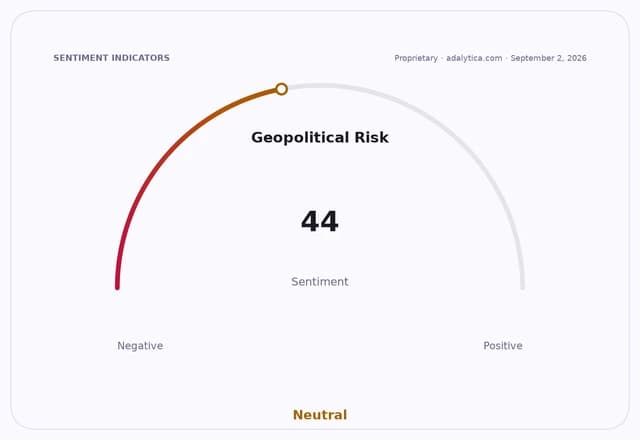
Equities tied to China are not showing the same strength as oil. The FXI China ETF is up only modestly, trading around $35.54, still below its 200-day moving average, a sign that investors remain cautious on Chinese exposure even as Beijing’s strategic leverage expands. Adalytica’s U.S.-China Relations Sentiment sits in neutral territory but has jumped 63 points over 30 days, showing the issue is drawing more market attention.
The bigger investor question is whether the Russia-China axis keeps moving from rhetoric into infrastructure, trade settlement and defense industrial cooperation. If it does, the result is likely to keep crude, defense, shipping and sanctions-sensitive assets in play while increasing volatility across risk markets.
| Entity | Gains | Losses |
|---|---|---|
| Russia | ▲Sanctions resilience | ▼Diplomatic isolation |
| China | ▲Strategic leverage | ▼U.S. scrutiny |
| Oil producers | ▲Higher geopolitical premium | ▼Consumers facing cost pressure |
| Western policymakers | ▲— | ▼Harder containment of Moscow |