Russia CPRF faces pressure before election
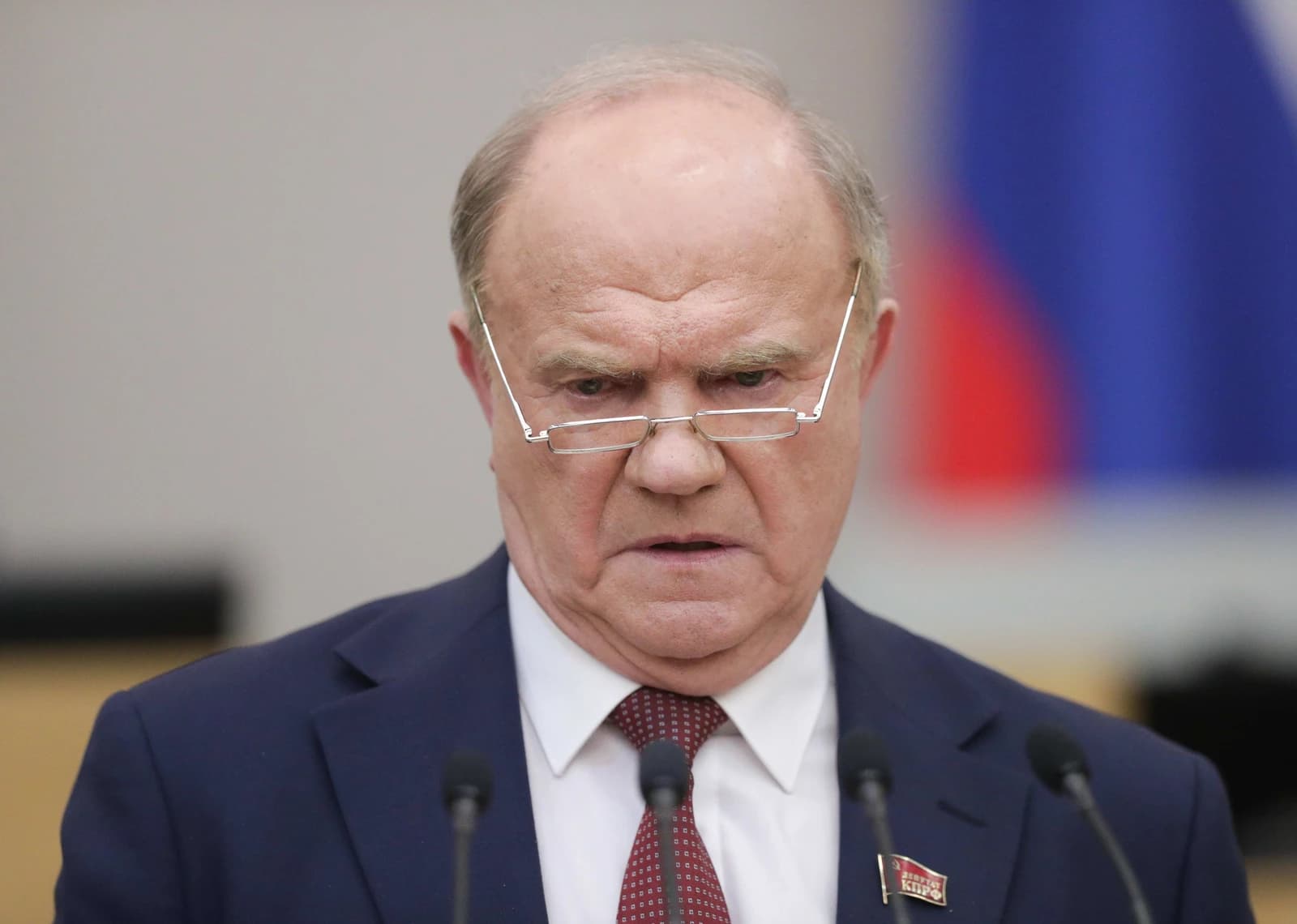
Pressure on Russia’s Communist Party is sharpening into a campaign issue of its own, with leader Gennady Zyuganov and blogger-candidate Nikolai Bondarenko casting legal and administrative attacks on the CPRF as evidence that the Kremlin-aligned field is not as settled as it appears before voting.
That matters because the Communist Party is one of the few opposition brands with national reach, and any effort to weaken or sideline its candidates can influence turnout, protest sentiment and the credibility of the parliamentary election. Zyuganov told supporters in Moscow that he had sent a demand to stop the persecution of CPRF candidates to 420 addresses, while Bondarenko argued that the “fierce struggle” against the party’s nominees refutes claims that the outcome is already predetermined.
The timing is especially sensitive. A Samara court fined Bondarenko on Aug. 21 for displaying extremist symbols, a ruling that could be used as grounds to remove him from the race. He used the Moscow event to frame the case as part of a broader crackdown on CPRF candidates, warning that the scale of the pressure itself showed authorities were worried about the party’s appeal.
For investors and political risk watchers, the key issue is not whether the CPRF can overturn the system — it cannot — but whether the contest becomes noisier and more contentious. A more confrontational election tends to raise the premium on domestic policy stability, especially if authorities feel compelled to manage turnout, tighten media space or pursue further legal actions against visible opposition figures.
The party is also trying to modernize its outreach. Dmitry Novikov, who oversees information and propaganda work, said the CPRF needs more financing to produce content and may bring successful bloggers into party structures, signaling an effort to translate online reach into electoral relevance. That suggests the communists are trying to turn repression into mobilization by using social media and youth-facing messaging to keep the party visible.
Bondarenko’s presence underscored that strategy. He has become one of the CPRF’s most recognizable digital figures, and his argument that elections should be fought over ideas rather than lawsuits was aimed at portraying the party as the victim of an uneven field, not a marginal force.
The broader narrative is that the CPRF is trying to use pressure as proof of relevance. Whether that helps the party attract younger voters or simply highlights the limits of Russia’s managed politics will be clearer as election authorities decide how far they are prepared to go against individual candidates.
| Entity | Gains | Losses |
|---|---|---|
| CPRF leadership | ▲Mobilization narrative | ▼Election-room maneuvering |
| Young voters / bloggers | ▲Political visibility | ▼Electoral uncertainty |
| Russian authorities | ▲Short-term control | ▼Perception of managed vote |
| Opposition candidates | ▲Sympathy appeal | ▼Legal exposure |