Russia Election Points to Kremlin Victory
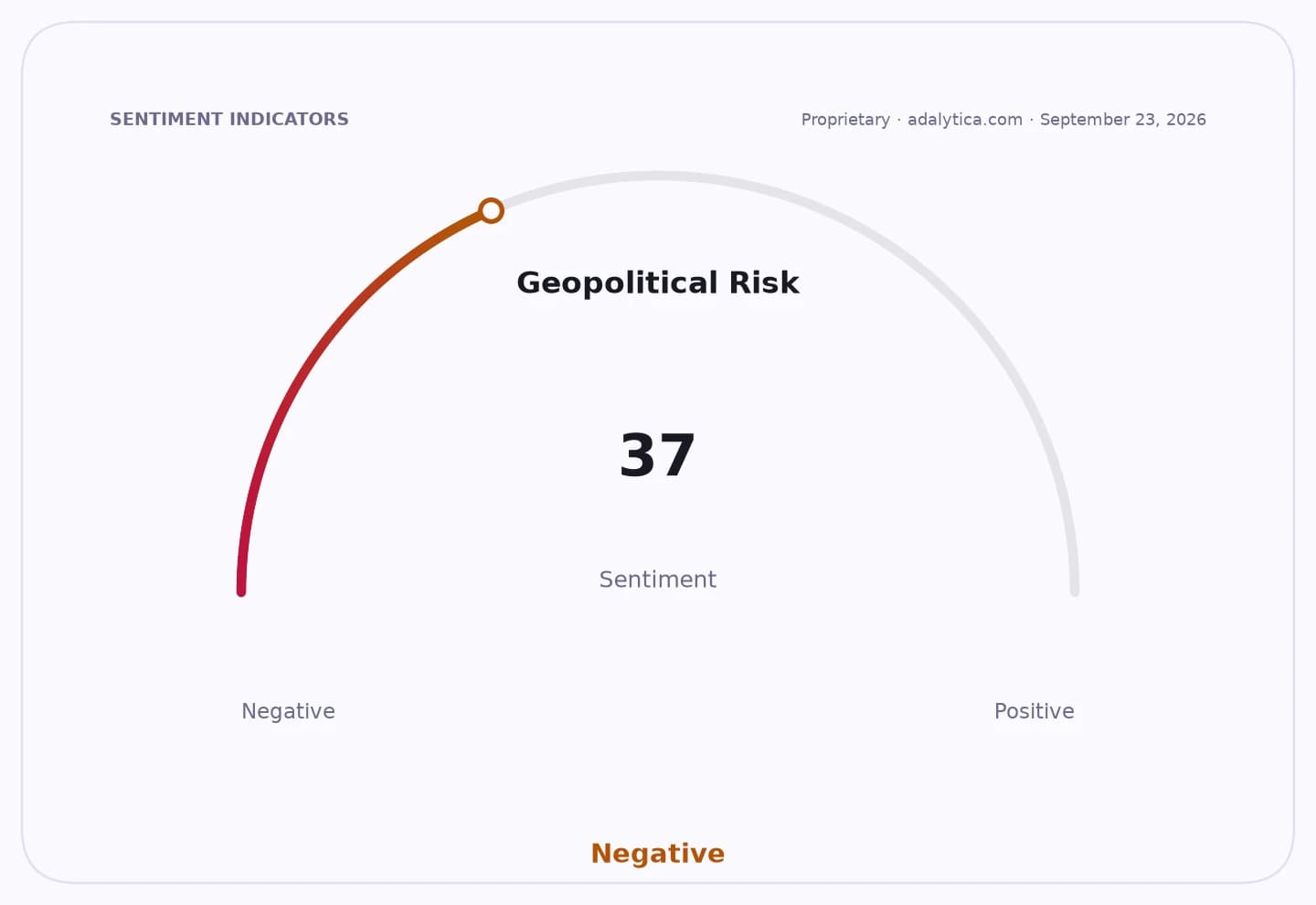
Russia’s first wartime parliamentary election is set to hand the Kremlin another overwhelming victory, underscoring how firmly President Vladimir Putin still controls the political system even as the war in Ukraine grinds on and attacks on Russian territory intensify.
That matters because in Russia, politics and economics are now inseparable. A parliament dominated by Putin’s United Russia gives the government a clearer path to keep channeling resources toward the war, defend sanctions-hit industries and manage a strained economy with fewer checks on spending or policy. For investors watching Russia from the sidelines, the message is less about the ballot box than about continuity: the same wartime priorities, the same policy predictability for loyal insiders, and the same lack of meaningful political risk premium reduction.
The vote, which began Friday and ends Sunday, was conducted in a political environment virtually stripped of opposition. Authorities pushed online voting to lift turnout among 111 million eligible voters, a reminder that the Kremlin wants not just the result, but the appearance of participation. At the same time, Ukrainian forces fired more than 1,000 drones at Russia overnight, including hundreds aimed at Moscow, highlighting how the conflict is increasingly reaching deep into Russian territory even as the state projects control at home.
For markets, the immediate lesson is that Russia remains a command-and-control economy under wartime pressure, not a normal investable one. That limits the appeal of any broad Russia exposure and keeps the country’s assets hostage to geopolitics, sanctions and state direction. The ruble’s technical setup reflects that uncertainty: the currency has been volatile, with its 50-day moving average and RSI showing sharp swings over recent months, the kind of behavior that tends to punish short-term traders and reward only those willing to accept extreme headline risk.
The broader narrative is straightforward. Putin does not need a competitive election to govern; he needs a compliant one to validate his war-time mandate. That arrangement helps the Kremlin sustain spending, tighten control and absorb shocks, but it also leaves Russia more isolated, less flexible and more dependent on coercion than growth. For long-term investors, that is a reminder to stay diversified, avoid mistaking political theater for economic openness, and treat Russian assets as a watchlist story at best, not a core holding.
| Entity | Gains | Losses |
|---|---|---|
| Kremlin / United Russia | ▲Political control | ▼Democratic legitimacy |
| War economy / state spenders | ▲Easier funding path | ▼Fiscal discipline |
| Ukrainian forces | ▲Strategic attention | ▼Little sway over vote |
| Russia-focused investors | ▲None | ▼Higher geopolitical risk |