Russia cuts enlistment bonuses to save war costs
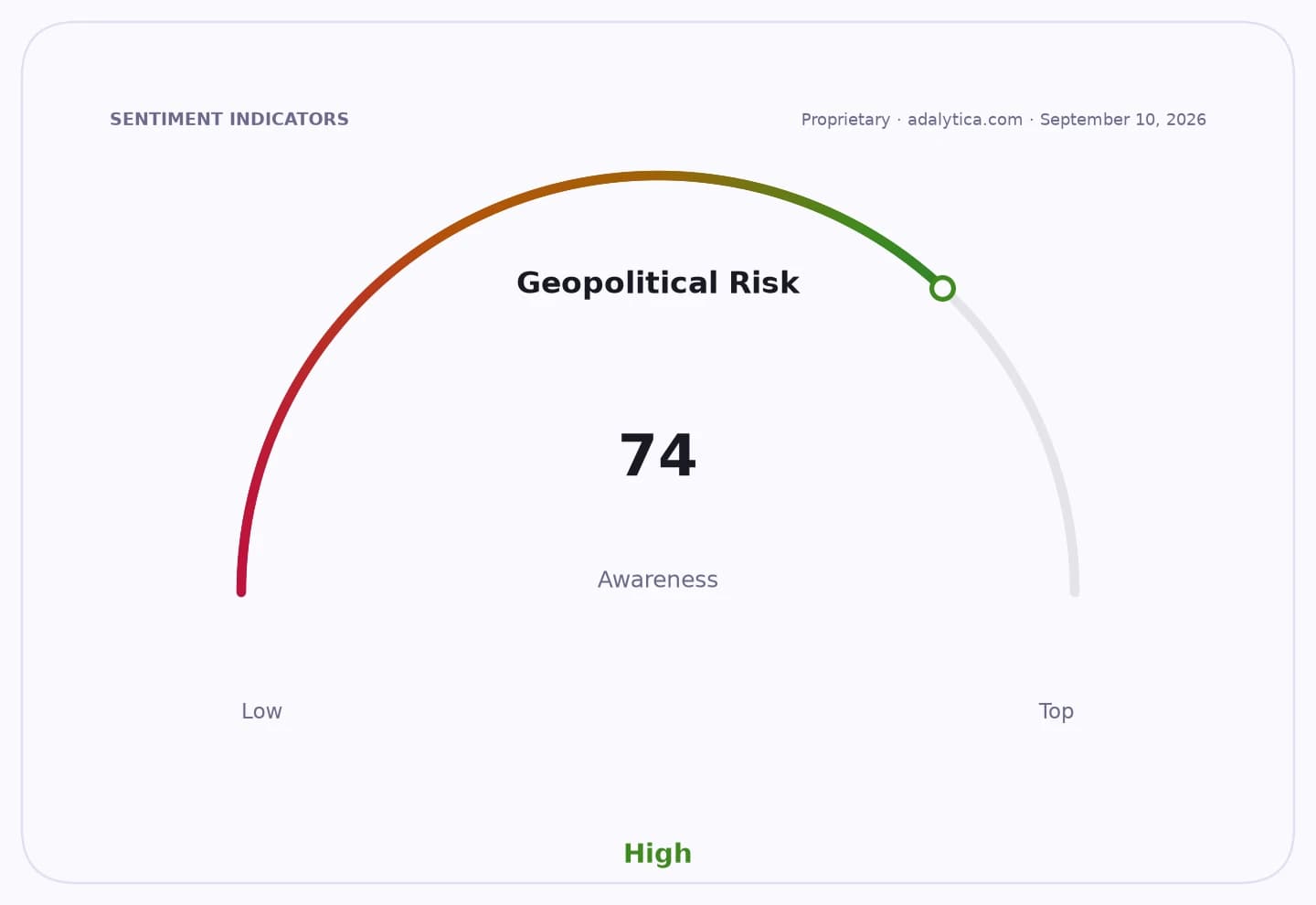
Russia is moving to claw back cash from soldiers and recruits as the cost of sustaining the war in Ukraine swells toward nearly half of the state budget, a sign the Kremlin’s biggest economic problem is no longer weapons production but the bill for keeping men at the front.
The Defense Ministry has proposed forcing some contract signers with pending non-custodial convictions, as well as some serving members of the armed forces and Rosgvardia, to return part of their enlistment bonuses. Independent Russian media say the likely motive is simple: save money. Depending on how much service remains, the repayment could run from about 2,000 to 4,000 euros, a meaningful sum in a labor market where cash has become the main lever for recruitment.
That matters because Russia’s war economy is now straining the state far beyond the battlefield. Independent estimates cited by local media put military spending at about 40% of the federal budget, while other reporting suggests defense outlays have climbed to almost 44% and the war is consuming 2.5 billion rubles an hour. The deficit has widened about 40%, forcing Moscow toward more borrowing and harsher fiscal trade-offs, including higher taxes, lower infrastructure investment and reduced social spending.
For investors, the message is that Russia is entering a more acute phase of wartime financial repression. If the Kremlin is cutting bonuses, the marginal cost of troop retention is becoming a budgetary problem, not just a military one. That increases the odds of more coercive recruiting, more regional burden-sharing and more pressure on households and businesses already absorbing tax hikes and weaker public spending. It also underscores how little room Moscow has to absorb further shocks from energy prices, sanctions or battlefield losses.
The regional bonus cuts already show where the stress is hitting first. A dozen regions slashed enlistment payments late last year by as much as 85%, only to reverse course after volunteer flows dried up. Tatarstan cut its offer from about 29,000 euros to 4,300 euros before hiking it again, and Chuvashia followed a similar pattern. That is a warning sign for the Kremlin: when cash incentives stop working, the state must either pay more, compel more, or accept fewer recruits.
The broader narrative is that Russia is trying to fight a long war with a tightening fiscal playbook. The leadership still rejects open mobilization, but it is laying the legal groundwork for it while closing escape routes, extending year-round enlistment and leaning harder on students, firms and women to fill the ranks. Search interest in “mobilization exemption” has jumped, a clue that Russians understand the direction of travel even if the Kremlin is trying to avoid saying it outright.
For markets, this is not a story about Russian equities so much as one about geopolitical endurance and fiscal exhaustion. The Kremlin can still fund the war, but increasingly only by squeezing somewhere else. That makes the conflict more economically distortive over time and raises the value of defense exposure, energy volatility hedges and Europe’s efforts to insulate itself from a war machine that is now being financed with ever more difficult choices.
| Entity | Gains | Losses |
|---|---|---|
| Kremlin | ▲Short-term cash savings | ▼Recruitment morale |
| Russian soldiers/recruits | ▲None | ▼Lower bonuses |
| Russian regions | ▲Budget relief from central pressure | ▼Volunteer shortfalls |
| Ukraine and allies | ▲Signs of Russian strain | ▼None |