Russia mortgage subsidy proposal for families
Russian families could soon see far more state help paying off mortgages, a move that underscores how seriously policymakers are treating both the housing market and the country’s demographic decline.
The proposal, pushed by State Duma lawmaker Sergei Mironov, would create a progressive mortgage payoff program tied to the number of children in a family. Under the plan, households would receive 500,000 rubles for one child, an additional 600,000 rubles for a second and 700,000 rubles for each third and subsequent child. That would lift support to 1.8 million rubles for families with three children, 2.5 million rubles for four children and as much as 3.2 million rubles for five.
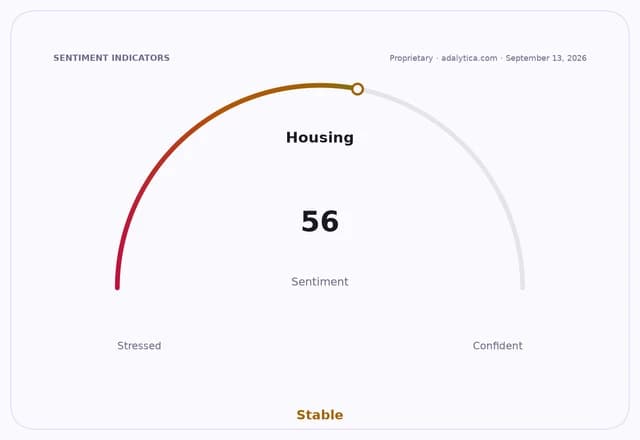
Economically, the idea is straightforward: make it easier for larger families to buy more space, and keep monthly debt burdens from discouraging childbearing. In a country where housing costs have climbed well beyond the levels that shaped the current 450,000-ruble benefit, the size of the subsidy may matter as much as the political symbolism. If lawmakers move ahead, the program could channel more demand into the mortgage market, support residential construction and reduce the pressure on families stretched by both higher living costs and larger housing needs.
That matters for investors because housing policy in Russia has become a major lever for both consumption and construction activity. Earlier support for lower family mortgage rates, especially for larger households buying or building individual homes, suggests the Kremlin is willing to use subsidized credit to steer demand. For builders, lenders and housing-related suppliers, that can mean steadier volumes. For policymakers, it also means more fiscal cost at a time when the state is already trying to balance social support, inflation control and growth.
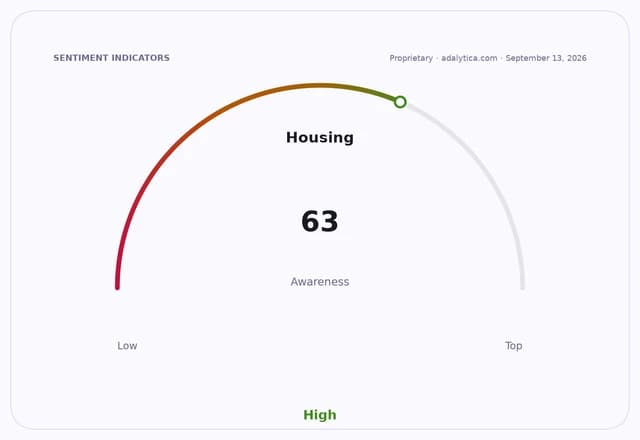
The larger narrative is that Russia is trying to buy time against a demographic problem with housing policy. Mironov explicitly argued that the current cap is outdated because real estate has become much more expensive, and that families with multiple children need larger apartments or standalone homes. That argument dovetails with President Vladimir Putin’s earlier backing of lower family mortgage rates for large families, which shows the idea is not isolated rhetoric but part of a broader policy push.
For long-term investors, the key question is not whether this proposal passes exactly as written, but whether mortgage subsidies keep expanding as a tool of state policy. If they do, the winners are likely to be developers, mortgage originators and construction-linked businesses. The losers are the budget, families without children and, potentially, anyone hoping for a cleaner path to lower inflation and less state intervention. Worth watching, especially for those tracking Russian housing demand over the next several years.
| Entity | Gains | Losses |
|---|---|---|
| Large families | ▲Lower mortgage burden | ▼Less out-of-pocket strain |
| Russian builders | ▲More home demand | ▼— |
| Mortgage lenders | ▲Higher loan volumes | ▼More policy dependence |
| Federal budget | ▲— | ▼Higher subsidy costs |