Russia Far East gas demand may triple by 2035
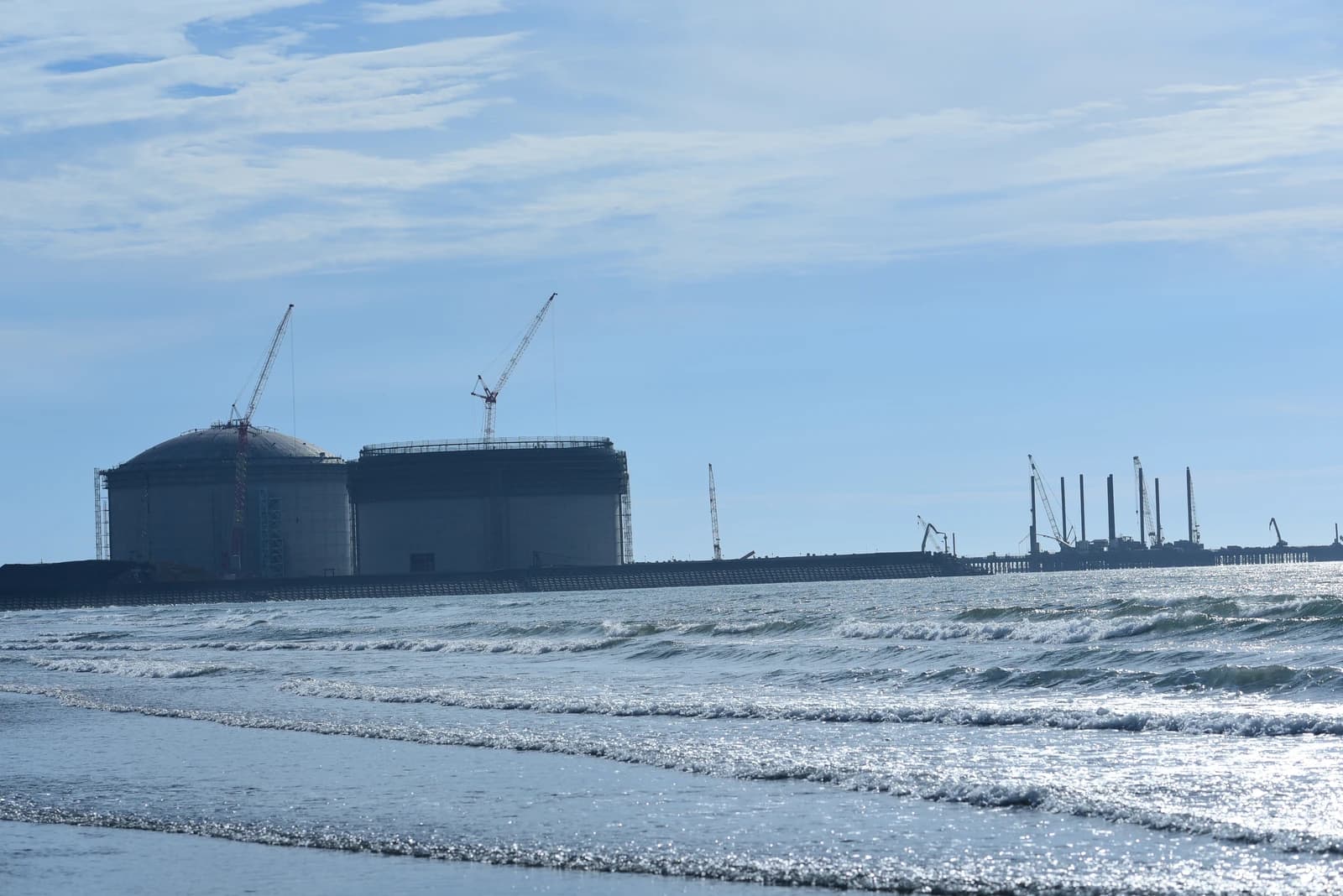
Gas demand in Russia’s Far East could more than triple by 2035, and that makes the region one of the clearest long-duration demand stories in global energy.
Energy Minister Sergei Tsivilev said the macro-region’s gas appetite may rise to 34 billion cubic meters a year from about 9 billion to 10 billion now, a jump that matters because it turns the Far East from a peripheral consuming area into a material anchor for new pipeline, power and industrial investment.
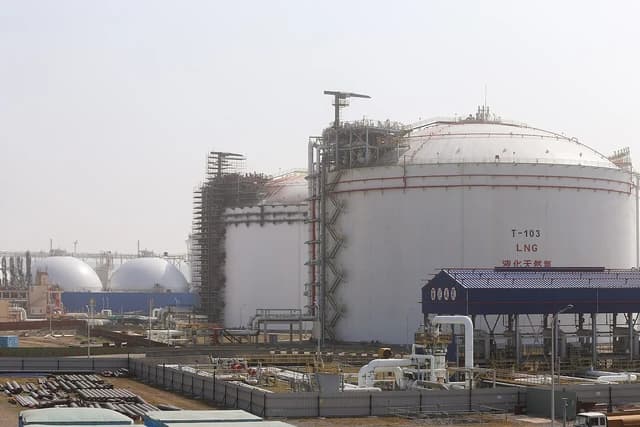
The economic significance is bigger than one region’s fuel mix. Russia is signaling that domestic energy buildout, not just export growth, will shape capital spending in its east for years. The government is already pushing ahead with a connector between Eastern Siberia and the Far East gas systems, while “Power of Siberia-2” is moving toward construction and the existing Power of Siberia line has reached full capacity. That combination points to a multi-year wave of infrastructure work that should support steel, compressors, turbines, construction services and upstream gas development.
For investors, the message is that the market still underestimates the durability of gas as a strategic fuel in Asia’s industrial heartland, even as the energy transition narrative continues to dominate Western portfolios. More gas demand in the Far East means more long-cycle spending on transport, storage and power generation, and more opportunity for companies positioned on the supply chain rather than the molecule itself. In the U.S., gas-linked plays such as Cheniere Energy, Kinder Morgan and Williams already benefit from tightening LNG and transportation capacity; in a broader global context, the same logic applies to any business that earns fees from moving, liquefying or delivering gas into growth markets.
The policy backdrop reinforces that theme. Moscow says domestic needs come first, and it plans to allocate industrial gas with an eye to value added, not just volume. That favors higher-efficiency manufacturers and large industrial consumers that can justify priority access, while also underscoring why the state wants to keep expanding the grid. The ministry is also preparing to connect the power systems of Siberia and the Far East, giving it more flexibility to shift generation across a huge and underconnected region. If the authorities choose technologies on full lifecycle power costs rather than fuel price alone, that creates room for hydro, nuclear, coal and storage, but it also keeps gas central because of its speed, flexibility and existing infrastructure base.
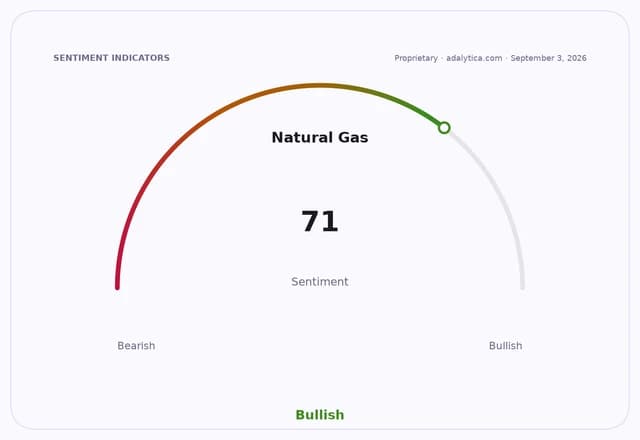
There is a second-order investment case here that the market may be missing: every new industrial corridor in Asia that depends on gas increases the value of pipeline security, LNG optionality and exportable supply. That is why LNG exporters, midstream operators and equipment suppliers remain the more asymmetric way to play the trend than trying to forecast one country’s regulated tariff or retail demand. Adalytica’s natural gas market signals still show greed in the sector, but the underlying thesis is not short-term trading momentum — it is that structural demand growth in the Far East could keep capital flowing into gas infrastructure well beyond the next cycle.
The takeaway is simple: if Far East gas demand really triples by 2035, this is not a local utility story. It is a long-horizon infrastructure and energy-security story, and the winners are the companies that move, liquefy, connect and finance the gas system before the rest of the market fully prices in the scale of the buildout.
| Entity | Gains | Losses |
|---|---|---|
| Russian gas pipeline builders | ▲Higher capex | ▼Limited projects |
| LNG exporters | ▲More long-term demand | ▼Spot oversupply |
| Industrial gas users | ▲Priority access | ▼Lower-priority rivals |
| Coal-only power plants | ▲Less strategic role | ▼Gas-linked generation |