Russia Decree Expands Control Over Foreign Assets
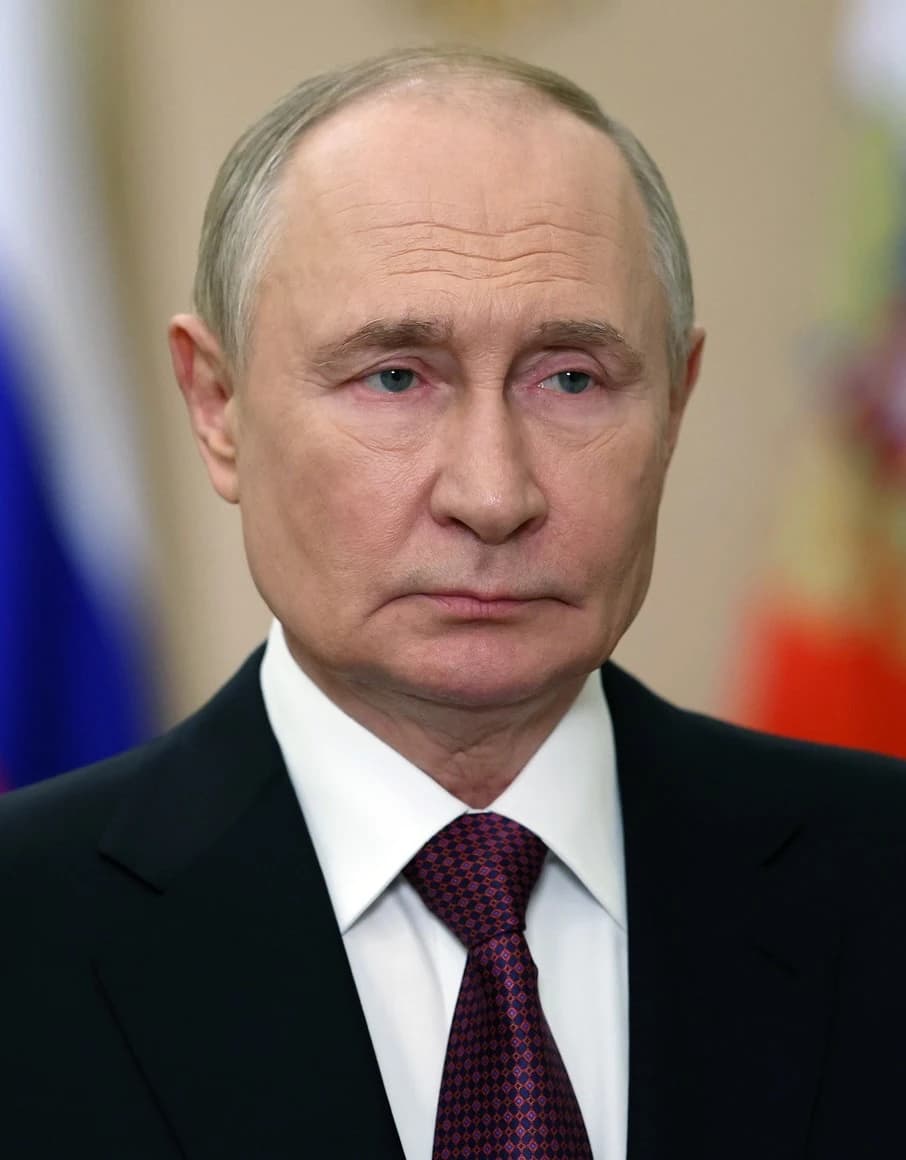
Russia will transfer poorly protected assets to foreign management under a decree signed by President Vladimir Putin, a move that broadens the state’s reach over property and businesses it deems exposed to security or control risks.
The order matters because it gives Moscow another lever over assets tied to foreign owners or operators at a time when Russia is tightening wartime control over strategic property, contract rights and cash flows. For investors, it raises the risk that any business still linked to Russia — directly or through legacy holdings, joint ventures or supply chains — could face abrupt intervention rather than a normal legal or market process.
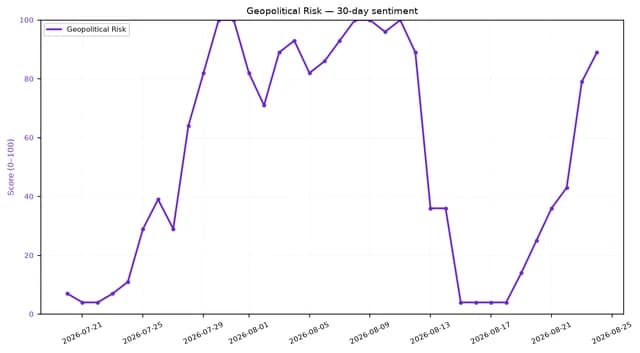
The decree fits a wider pattern of state intervention that has intensified since the invasion of Ukraine, when Russia moved to place some foreign-held or abandoned assets under temporary administration. Such actions can alter ownership, disrupt dividends and freeze operational decisions, leaving companies and creditors with less visibility on recoveries and exit value.
The market angle is most acute for energy and industrial groups with residual Russian exposure. Western majors have already spent years unwinding positions in the country, but legal claims, joint ventures and legacy contracts can still leave them vulnerable if Moscow reclassifies an asset as insufficiently protected or strategically important.
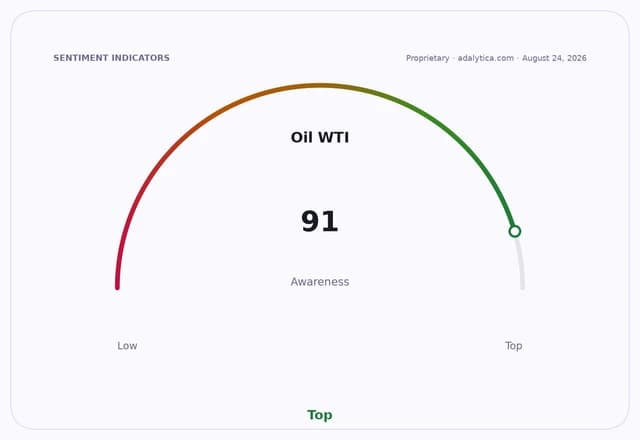
Technical indicators in oil-linked shares underscore how geopolitical risk still feeds into pricing. Exxon Mobil has climbed to $162.78, well above its 50-day and 200-day moving averages, while BP and Shell are also trading above those levels, reflecting strong oil-related sentiment even as Russia policy risk remains a tail factor. Adalytica’s oil trade signals also show extreme greed, suggesting the market is already pricing a tight-energy backdrop.
The decree may also be read as a warning shot to foreign investors that Russia is still willing to use administrative tools to reshuffle control over assets. Any further targeting of properties, especially in energy, infrastructure or export-linked sectors, would sharpen counterparty risk and could complicate future negotiations over settlements, exits and sanctions-related claims.
| Entity | Gains | Losses |
|---|---|---|
| Kremlin / Russian state | ▲More control over strategic assets | ▼Less investor trust |
| Foreign asset owners | ▲Possible negotiated protection | ▼Loss of control, valuation risk |
| Energy majors with Russia ties | ▲Limited clarity on exposure management | ▼Higher geopolitical and legal risk |
| Oil bulls / producers | ▲Support from tighter risk premium | ▼None if intervention widens too far |