Russia gas production rises 3.6%, LNG up 12%
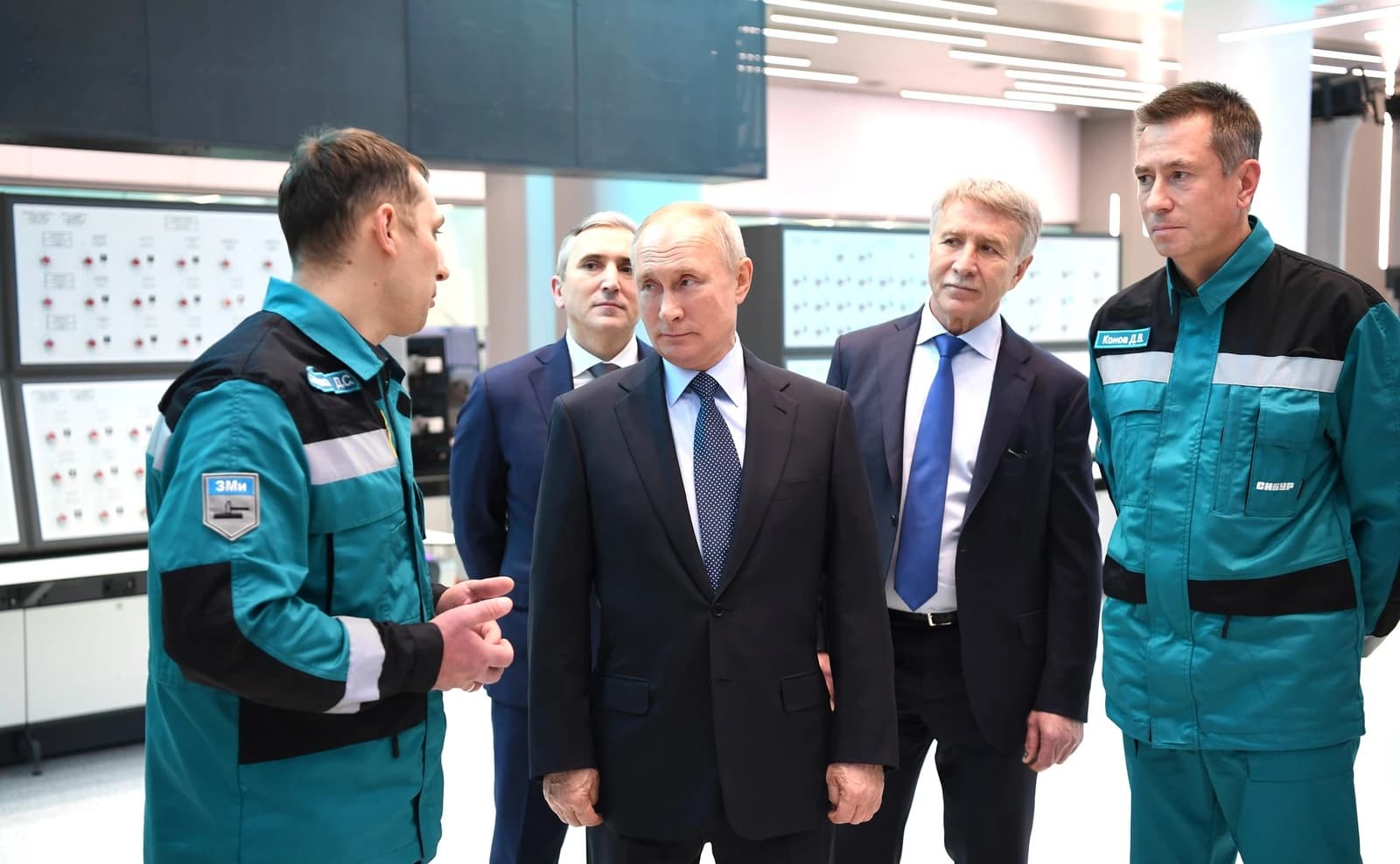
Russia increased gas production 3.6% in January-July and lifted LNG output 12%, underscoring how the world’s biggest gas exporter is still finding ways to expand supply even as its domestic fuel market strains under shortages and export flows remain politically sensitive.
The production gains matter because gas is one of the Kremlin’s most important hard-currency earners and a key lever in Europe’s energy security. Higher LNG volumes can help offset weaker pipeline flexibility, support export revenues and give Moscow more optionality as buyers in Europe and Asia continue to rebalance their energy sourcing.
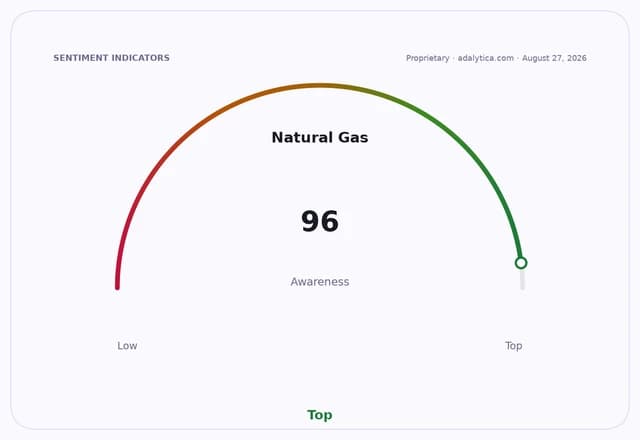
For investors, the numbers point to a gas market that remains oversupplied enough for Russia to keep pushing volumes higher, but not stable enough to remove geopolitical risk. Russia’s ability to grow LNG production is especially relevant for traders watching global cargo availability, shipping routes and pricing power in Europe, where imports of Russian LNG remain a contentious issue even as some buyers cut exposure elsewhere.
The output increase also comes against a backdrop of domestic fuel disruption in Russia, where gasoline shortages and long queues have pressured consumers and raised questions about the balance between exports and home-market supply. That tension suggests production growth alone may not translate into relief at the pump if refining bottlenecks, logistics problems or policy decisions continue to distort the market.
The broader narrative is that Russia is still leaning on energy volumes to support its economy, but the mix is shifting. LNG growth is becoming more important as the country adapts to sanctions, changing European demand and a more fragmented global gas trade.
Looking ahead, investors will watch whether Russia can sustain LNG momentum into the colder months and whether domestic fuel shortages force more intervention in the energy chain.
| Entity | Gains | Losses |
|---|---|---|
| Russia LNG exporters | ▲Higher volumes, export revenue | ▼Greater sanctions scrutiny |
| European buyers | ▲More supply optionality | ▼Continued reliance risk |
| Global gas traders | ▲More liquidity, arbitrage chances | ▼Higher geopolitical volatility |
| Russian motorists | ▲None | ▼Fuel shortages, higher prices |