Russia buys gasoline from India at higher prices
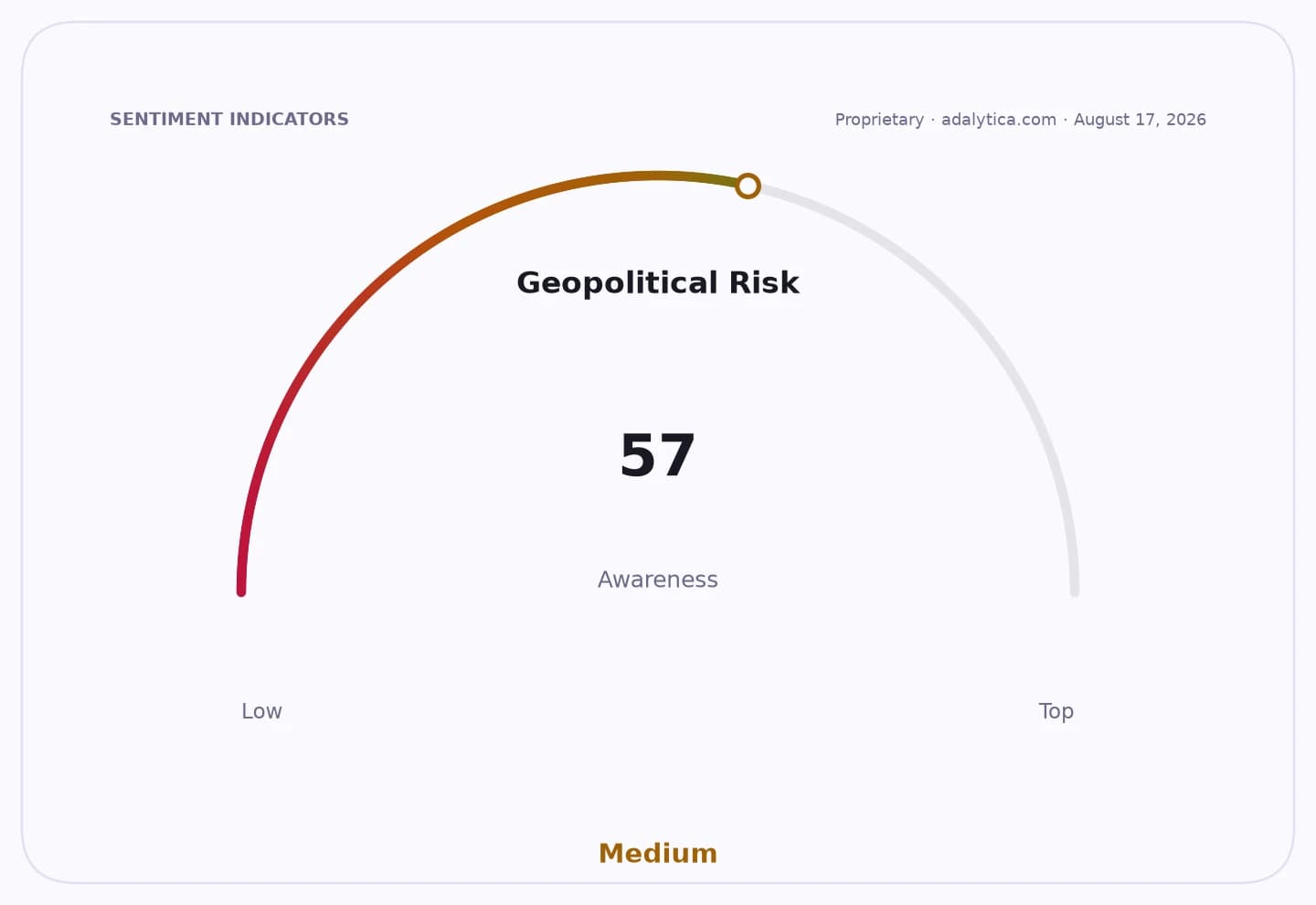
Russia is buying gasoline from India at roughly twice the price of domestic fuel as shortages, refinery disruptions and wartime logistics strain the country’s fuel system.
The gap matters because it turns a local supply problem into an economic cost for the state and fuel distributors. Paying a premium for imported product raises the expense of stabilizing retail supply, squeezes margins for traders and refiners, and suggests Russia is having to lean on foreign barrels and refined fuels despite being a major oil producer.
The shortage has already shown up in multiple Russian regions, including Arkhangelsk and Nizhny Novgorod, where gas stations have faced long queues and temporary stockouts. Officials have acknowledged the disruptions as Ukrainian drone attacks hit energy infrastructure and complicate transport and refining flows, forcing Moscow to prioritize keeping pumps supplied over protecting domestic pricing.
Oil market conditions add to the pressure. WTI is trading around the high-$80s per barrel in the latest data, and Adalytica’s Oil WTI Trade Signals show sentiment in “Greed” even as awareness remains in “Extreme Fear,” a mix that points to heightened sensitivity around supply shocks. Russia’s need to import gasoline also underscores how war-related damage can ripple beyond crude exports into refined-product balances and internal inflation.
For investors, the story matters because it reinforces the risk premium around energy infrastructure, regional fuel markets and refining capacity. Higher import costs can support product prices, aid non-Russian refiners and traders, and keep pressure on governments to intervene, while exposing how quickly shortages can spread when refining and logistics are targeted.
The key question now is whether Russia can restore enough domestic refining and distribution capacity to reduce imports, or whether recurring attacks force it to keep paying up for foreign gasoline and other refined fuels.
| Entity | Gains | Losses |
|---|---|---|
| Indian fuel exporters | ▲Higher sales into Russia | ▼Exposure to geopolitical risk |
| Russian consumers | ▲Short-term supply relief | ▼Higher fuel costs |
| Russian refiners/distributors | ▲State support and priority allocation | ▼Margin pressure and shortages |
| Global oil traders | ▲More arbitrage opportunities | ▼Greater market volatility |