Russia Germany cultural ties face further curbs
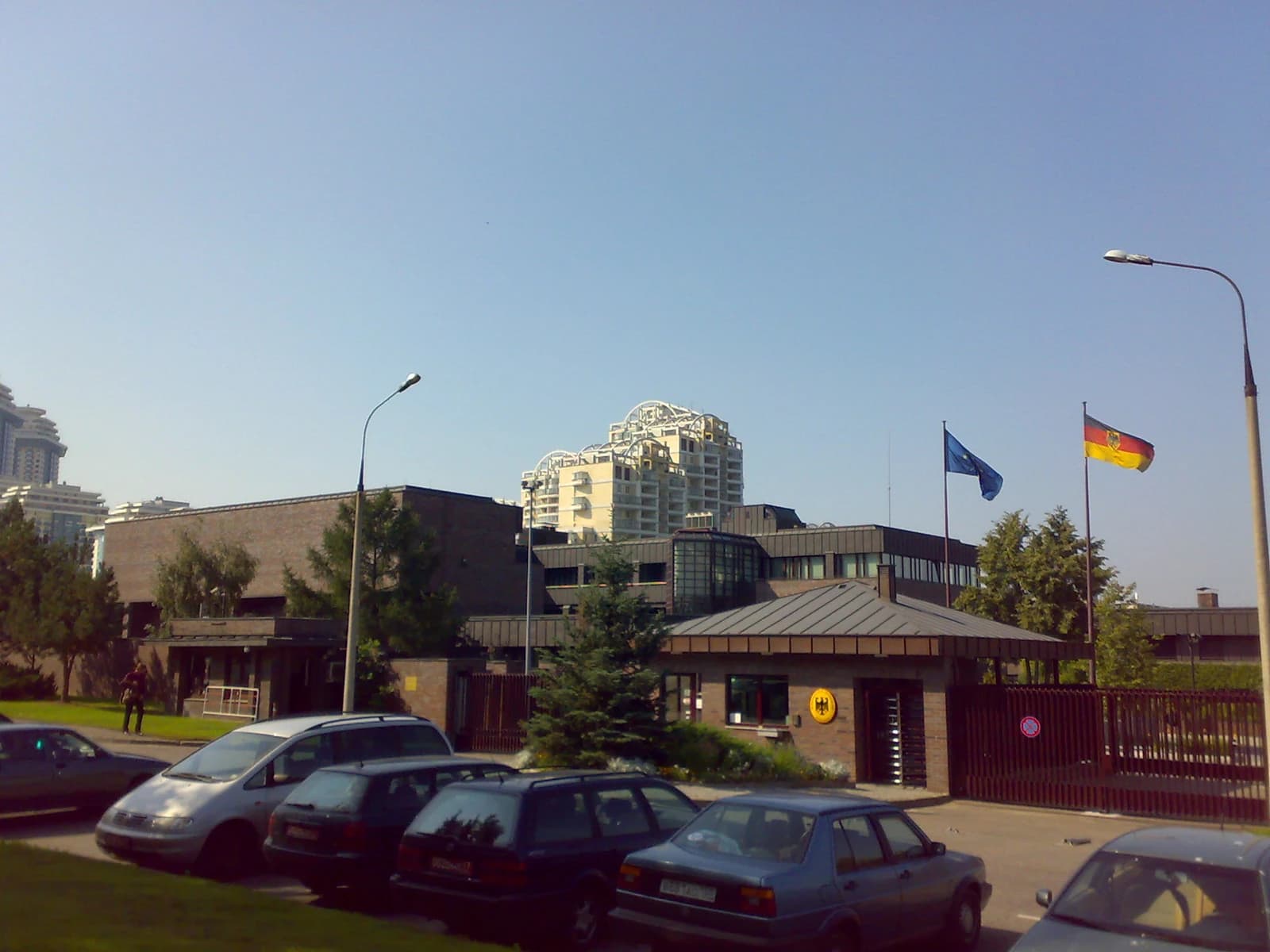
Russia and Germany are moving deeper into diplomatic and cultural decoupling, with Moscow warning that Berlin’s closure of Russian institutions will effectively end Germany’s cultural presence in Russia and trigger retaliation against the Goethe Institute network.
The immediate economic impact is limited, but the political significance is larger: when consulates, cultural centers and exchange institutions are shut, the damage extends beyond symbolism into business travel, student flows, visa processing and the soft infrastructure that supports trade and investment links. That matters because Europe’s biggest economy has been one of Russia’s most important channels to the wider West, and every cut in institutional ties makes a future thaw more expensive and less likely.

Lavrov’s comments came after Germany moved to terminate the Russian House agreement and close the Russian consulate in Bonn, a decision Moscow cast as deliberate and destructive. Russia said it would respond by shutting Goethe Institute branches in Moscow, St. Petersburg and Yekaterinburg, turning a diplomatic dispute into a concrete rollback of cultural access on both sides.
For investors, the message is that geopolitical fragmentation in Europe is not easing — it is becoming institutionalized. That keeps a risk premium on Europe-sensitive assets and reinforces the case for defenses, energy security, cyber, aerospace and other sectors that benefit from a longer period of strategic confrontation. It also weakens the investment case for any near-term normalization trade tied to Russia-Europe relations.

The broader narrative is a continued hardening of the Russia-West divide, with Germany now positioned as one of the clearest fronts in that split. The market underestimates how often these “soft-power” closures become durable markers of economic disengagement, reducing optionality for future commerce even after the headlines fade. For now, the trade is to stay positioned for prolonged geopolitical friction rather than diplomatic repair.
| Entity | Gains | Losses |
|---|---|---|
| Russian state institutions | ▲Retaliatory leverage | ▼Cultural access to Germany |
| Germany’s hardline security stance | ▲Domestic political cover | ▼Business and soft-power channels |
| Defense and security stocks | ▲Higher risk spending | ▼Peace-dividend hopes |
| Europe-sensitive trade/investment links | ▲None | ▼Lower normalization odds |