Russia inflation falls to 6.2% in September
Russia’s inflation has eased to 6.2%, a sign that months of intense price pressure are finally starting to cool and one that could give policymakers a little more room to maneuver. For investors, the bigger question is whether this improvement is durable enough to support lower borrowing costs, steadier consumer demand and a less volatile ruble over time.
President Vladimir Putin said on Wednesday that annual inflation in Russia had fallen to 6.2% as of Sept. 14, down from 10.3% in the first quarter, adding that the decline has been underway since the second quarter. The message matters because inflation has been one of the central constraints on Russia’s economy during the war, forcing the central bank to keep policy tight even as growth slows and household budgets remain under strain.
If the disinflation trend continues, it could eventually allow the Bank of Russia to ease financing conditions. That would be welcome for companies facing expensive credit, for consumers dealing with higher food and fuel costs, and for the government as it tries to balance wartime spending with economic stability. But investors should be careful not to read one data point as a clean victory. Russia still faces supply bottlenecks, sanctions-related frictions and persistent pressure in energy and transport markets, all of which can keep price growth sticky.
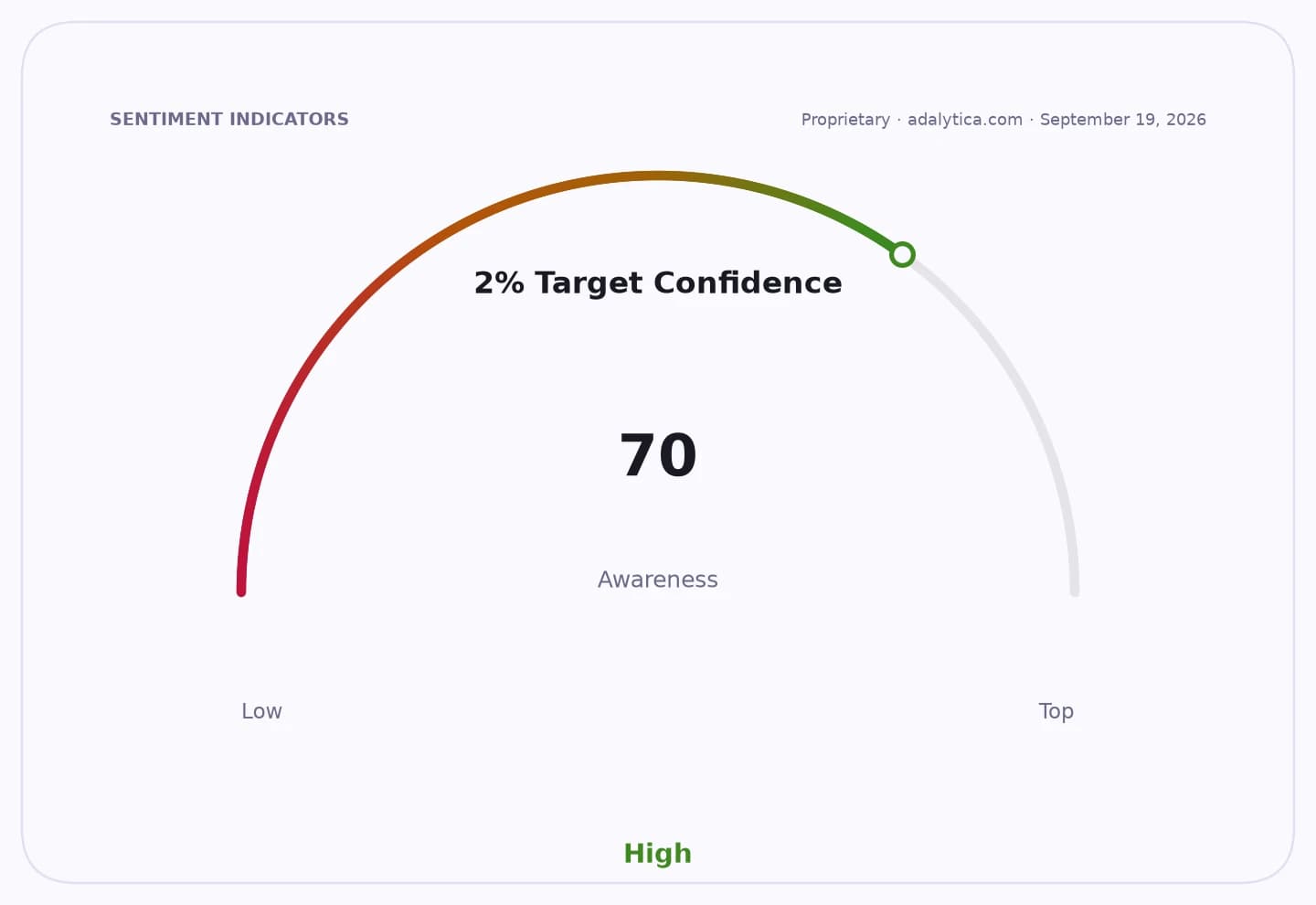
The broader market implication is that inflation expectations may be starting to bend lower, even if they remain fragile. Conventional indicators in the data context show confidence in the inflation outlook deteriorating sharply, with sentiment around five-year inflation breakevens and long-term expectations deep in fear territory. That suggests markets and households are not yet convinced the slowdown will hold.
For long-term investors, the key issue is not whether Russian inflation is lower this month, but whether it can settle into a more stable range that supports real incomes and corporate planning. In economies under stress, falling inflation can be the first step toward better financial conditions, but only if policymakers can keep prices anchored without choking off activity. Worth watching, especially for anyone tracking the ruble, Russian rates and the wider economic spillovers from the war.
| Entity | Gains | Losses |
|---|---|---|
| Russian consumers | ▲Slightly slower price growth | ▼Still-high living costs |
| Russian businesses | ▲Easing cost pressure | ▼Expensive borrowing |
| Bank of Russia | ▲More policy flexibility | ▼Less room if inflation rebounds |
| Inflation hawks | ▲Validation of tighter policy | ▼Case for even higher rates weakened |