Russia Can Keep Fighting Ukraine Into 2027
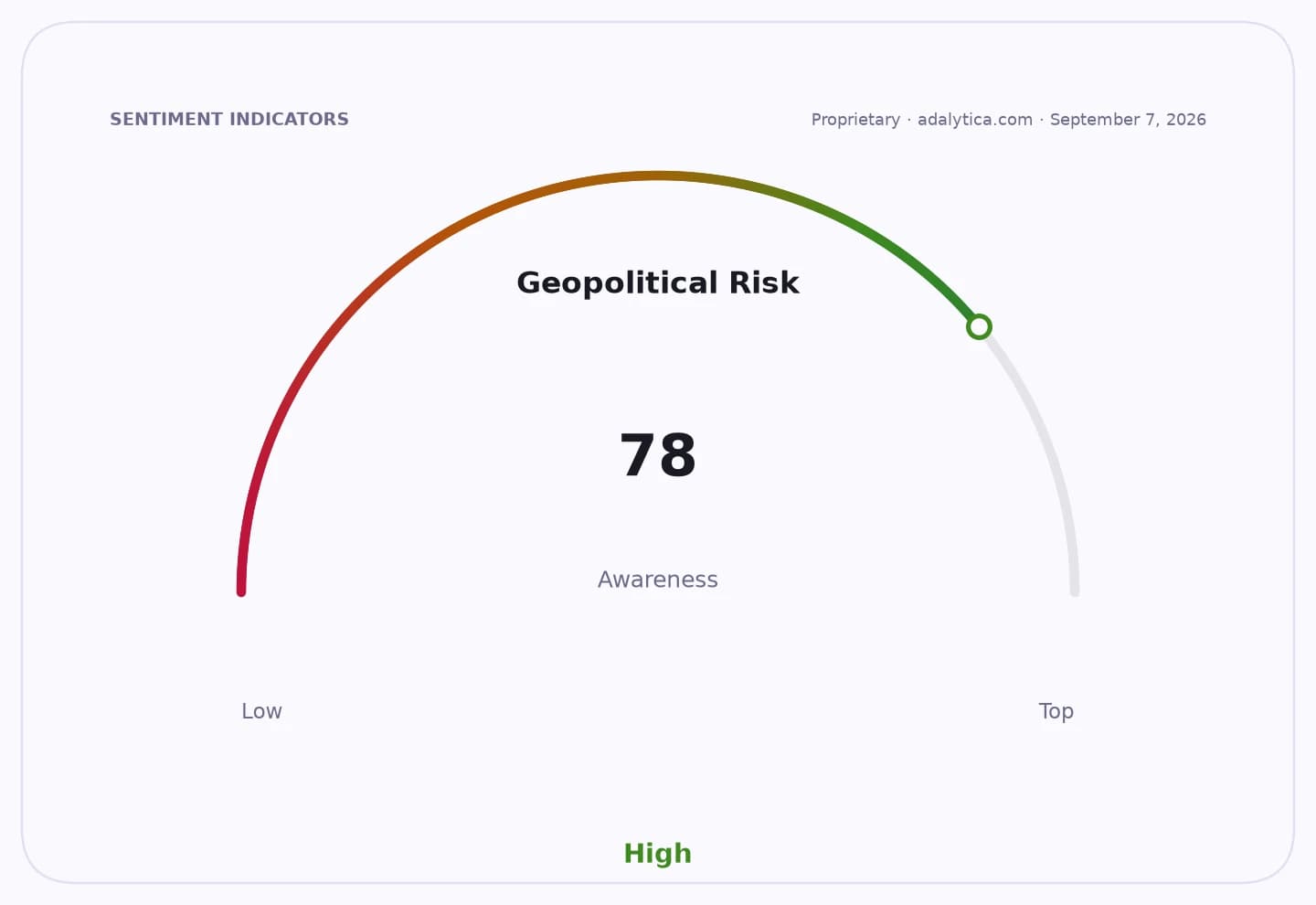
Russia still has enough economic and military resources to keep fighting Ukraine into 2027 or 2028, even as its economy weakens and battlefield losses remain punishing, according to Ukraine’s military intelligence chief.
That is the key message for investors and policymakers alike: sanctions have clearly strained Russia’s labor market, budget and banking system, but they have not yet forced Moscow to scale back the war. For markets, that means the geopolitical risk premium around Europe is not going away anytime soon, and any hopes for a quick peace dividend still look premature.
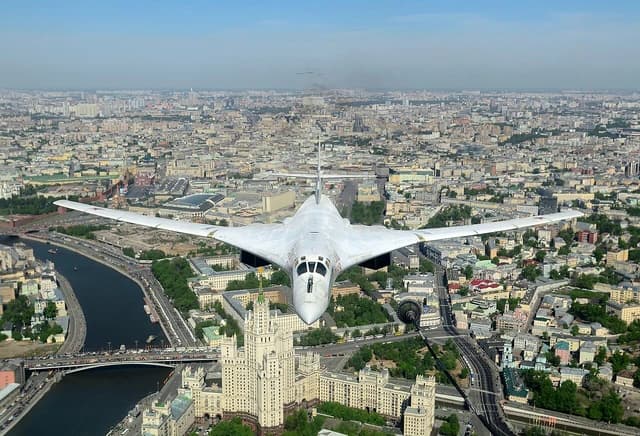
Oleg Ivashchenko, head of Ukraine’s Main Intelligence Directorate, said Russia is facing shortages of workers, a widening federal deficit and deterioration in the banking system. He also said the country’s contract-enlistment model is running out of steam, with regional budgets no longer able to keep paying recruitment bonuses at the same pace. Still, he said Russia can likely continue financing the war effort for another two years.
That matters because wars are ultimately sustained by industrial capacity, fiscal flexibility and political will, not just headline battlefield losses. Russia’s economy may be softer than before the invasion, but it remains large enough to support a prolonged conflict, especially if energy revenues, sanctions evasion networks and state-directed spending continue to flow. Ivashchenko said Moscow still relies on electronic components, machine tools and specialty chemicals coming through third countries and intermediary firms, a reminder that enforcement, not just policy announcements, is what determines whether sanctions work.
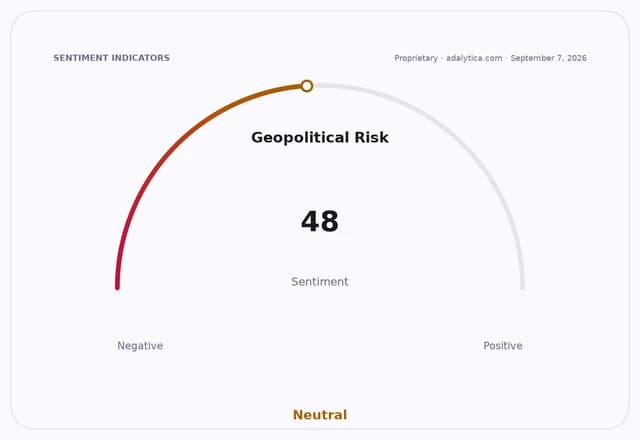
The human cost is staggering. Ivashchenko said Russian forces are losing roughly 1,200 to 1,500 soldiers a day, including killed and seriously wounded. That is consistent with outside estimates that Russia has suffered around 1.4 million battlefield losses since the full-scale invasion began, and it helps explain why Moscow is increasingly leaning on foreigners from more than 40 countries, including Central Asia, Africa and Latin America, to fill ranks.
For investors, this is not just a Ukraine story. Prolonged war keeps pressure on European security spending, supports defense contractors, and leaves energy and industrial supply chains vulnerable to further shocks. The latest move in defense ETFs reflects that background: the U.S. Aerospace & Defense fund ITA remains well above its longer-term trend even after a sharp pullback, while the energy sector ETF XLE has held up better than the broader market as geopolitical tension keeps oil-related earnings in focus. Those are the kinds of sectors that tend to benefit when the world becomes less predictable.
At the same time, the message to bond and commodity investors is more nuanced. A war that drags on for years can keep inflation risks, sanctions risk and shipping risk alive, but it does not automatically create a one-way trade. Markets eventually begin to price in endurance rather than escalation, and that is where selectivity matters most.
The broader takeaway is that Russia’s ability to keep fighting is now limited more by erosion than collapse. That means the conflict is likely to remain a grinding war of attrition, with diplomacy possible but far from assured. For long-term investors, the right response is not to chase headlines, but to stay diversified, own businesses with real pricing power and keep an eye on sectors tied to security, energy and rebuilding. This remains a story worth watching, not one to trade on hope.
| Entity | Gains | Losses |
|---|---|---|
| Defense contractors | ▲Higher procurement demand | ▼Peace-driven slowdown |
| Energy producers | ▲Geopolitical risk premium | ▼Easing tensions |
| Ukraine and allies | ▲More pressure on sanctions enforcement | ▼Prolonged war burden |
| Russia | ▲Time to sustain war effort | ▼Economy, labor force |