Russia 72-Hour Kyiv Strike Pause
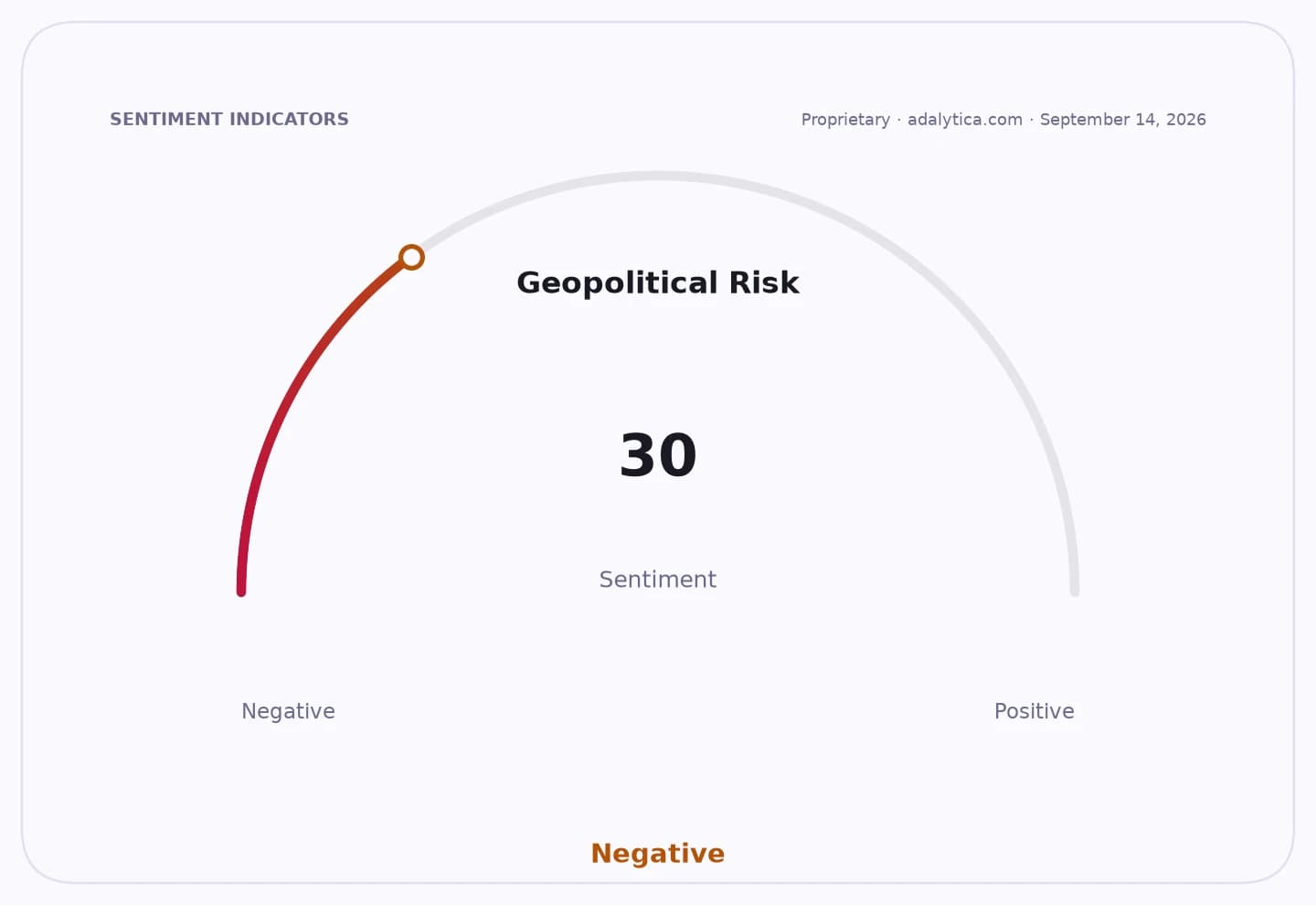
Russia’s brief halt in strikes on Kyiv is the most economically meaningful development in a conflict that continues to punish Ukraine’s infrastructure, global risk appetite and defense-sector expectations.
The 72-hour pause, ordered by President Vladimir Putin during a visit by U.S. envoys, gives Moscow a chance to signal flexibility without changing the underlying war. That matters because even a temporary reduction in attacks can ease pressure on Ukraine’s airports, power grid and logistics routes, while also testing whether Washington’s mediation effort can produce something more durable. For investors, the bigger issue is not the pause itself, but what it says about the odds of a wider de-escalation or, just as likely, a quick return to strikes once the window closes.
Ukrainian President Volodymyr Zelensky said the latest attacks on Kyiv and Boryspil airport were timed to coincide with the American visit, underscoring how tightly the battlefield and diplomacy remain linked. When Russia can turn violence on and off around negotiation windows, it keeps the region unstable and makes it harder for markets to price any lasting peace dividend. That uncertainty tends to support defense spending, keep energy and grain markets sensitive to headlines, and preserve demand for military hardware and missile defense.
For defense investors, the message is mixed but important. A genuine ceasefire would eventually cool the urgency behind higher military budgets, but a short pause without a settlement usually has the opposite effect: it reinforces the belief that Europe and the United States still need to rearm. Names such as Lockheed Martin, Northrop Grumman and RTX stand to benefit from that long-cycle spending, while any sustained reduction in hostilities would be a headwind for the sector. The market has already been willing to pay up for that theme, but conflict headlines like these remind investors that the rearmament trade is still rooted in a very real security backdrop.
The broader economic story is that war remains a tax on growth. Every strike on infrastructure raises repair costs, disrupts trade, and deepens the risk premium across Eastern Europe. Even when diplomacy produces a pause, it rarely removes that premium for long. Russia’s willingness to stop firing for 72 hours may open the door to talks, but it also shows how fragile those talks are.
For long-term investors, the takeaway is simple: this is not a market to chase on each headline, but a reminder to own the businesses and regions that can withstand volatility and benefit from durable security spending. The ceasefire window is worth watching, but until it turns into a real political settlement, defense stocks and global risk assets will likely keep trading on tension rather than trust.
| Entity | Gains | Losses |
|---|---|---|
| Ukraine and civilians | ▲Brief relief from strikes | ▼Continued insecurity |
| U.S. diplomats | ▲More room for talks | ▼Limited leverage |
| Defense contractors | ▲Sustained rearmament case | ▼Softer demand if peace sticks |
| Global risk assets | ▲Short-lived easing in fear | ▼Renewed volatility if strikes resume |