Russia mobilization pressures ruble as USD/RUB hits 80.19
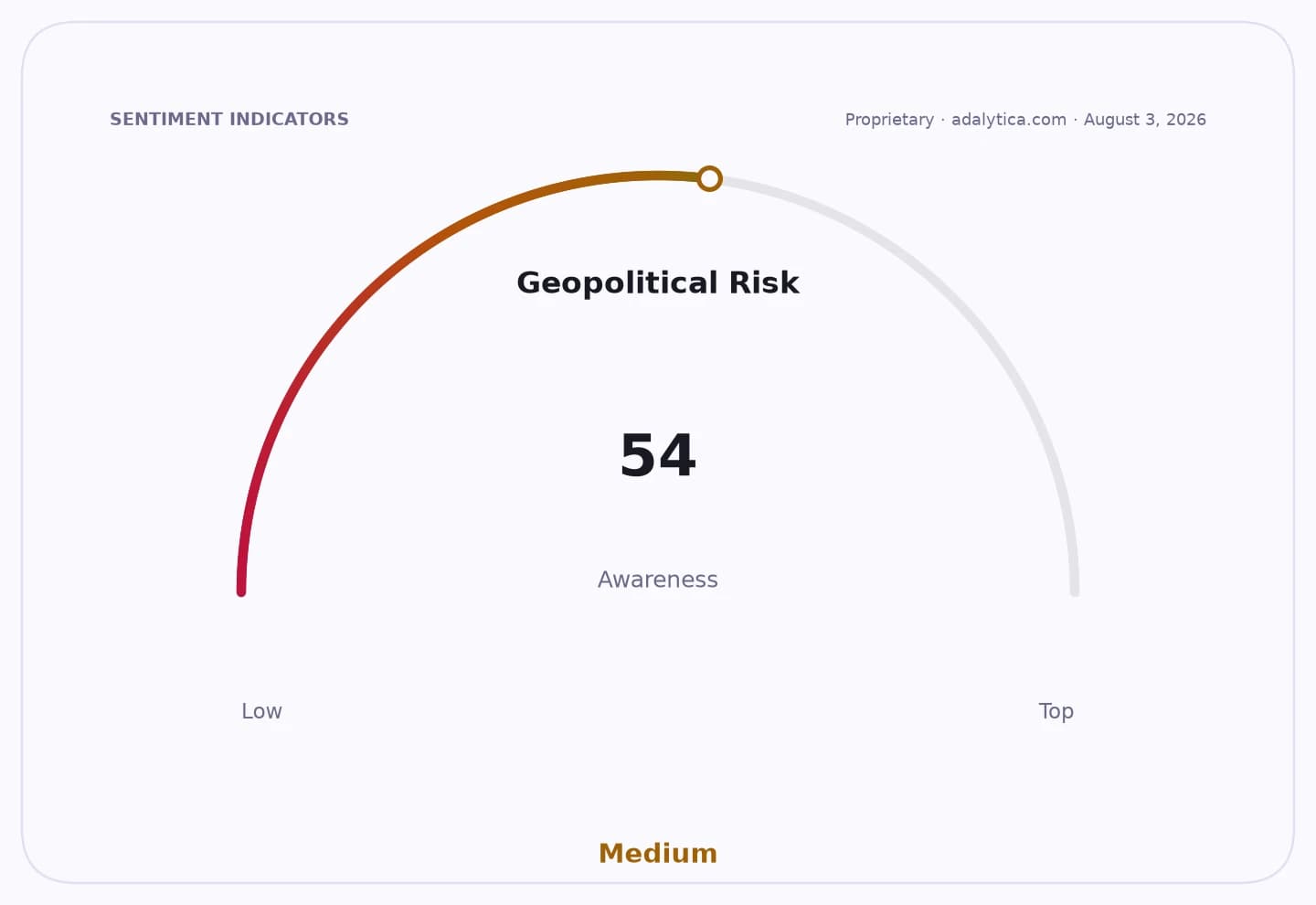
Russia’s latest mobilization efforts point to a longer, costlier phase of the war as Ukraine expands strikes onto Russian territory, raising the economic and investor stakes around energy, sanctions and regional risk premiums.
The immediate significance is not just military. A broader call-up of men and resources would signal that Moscow is preparing for sustained attrition rather than a negotiated pause, implying higher fiscal strain, more labor-market distortion and greater pressure on Russia’s already wartime economy. The escalation comes as Ukraine carries out its most extensive missile strikes yet on Russian territory, according to the supplied context, a shift that increases the likelihood of further retaliation and a wider geopolitical spillover.
For markets, the main transmission channels are clear. Extended mobilization can sap civilian output by pulling workers from key sectors, even as defense spending absorbs more of the budget. That combination can worsen inflationary pressure, complicate ruble management and reinforce the Kremlin’s dependence on capital controls and administrative measures. The ruble’s recent trading pattern reflects that tension: it has been volatile, with the dollar-ruble pair moving from 74.10 in late January to 80.19 on Aug. 3, while the 50-day moving average at 75.37 and 200-day average at 77.28 suggest a market still pricing persistent policy and geopolitical risk.
The technical picture in the ruble also points to fragility. RSI at 71.1 and a MACD line above its signal show recent strength, but the currency is pressing toward the upper Bollinger Band, a sign that momentum has improved even as the broader war backdrop remains unstable. That kind of move often reflects short-covering or temporary easing rather than a durable improvement in fundamentals.
Investors with exposure to Russia-linked assets will read the mobilization news as a reminder that headline risk is likely to stay elevated. Any signs of a wider draft or additional wartime controls could weigh on domestic consumption, private capital formation and foreign-exchange confidence. By contrast, defense suppliers, sanctioned-energy intermediaries and companies tied to state spending may continue to benefit from the war economy, while importers, households and sectors dependent on labor availability remain under pressure.
The broader narrative is one of escalation feeding escalation. Ukraine’s ability to hit inside Russia increases domestic political pressure on Moscow, while Russian retaliation deepens the likelihood of further cross-border attacks and keeps peace prospects remote. That is a bad setup for risk assets tied to the region: it raises the odds of more sanctions, tighter policy responses and a prolonged war premium in currencies, commodities and Eastern European markets.
| Entity | Gains | Losses |
|---|---|---|
| Russian defense sector | ▲More state spending | ▼Limited war-time visibility |
| Kremlin war effort | ▲Wider mobilization pool | ▼Labor and fiscal strain |
| Ukraine military | ▲Strategic leverage | ▼Retaliation risk |
| Russia-linked risk assets | ▲Short-term trading volatility | ▼Longer-term sanction pressure |