Russia mortgage savings plan for homebuyers
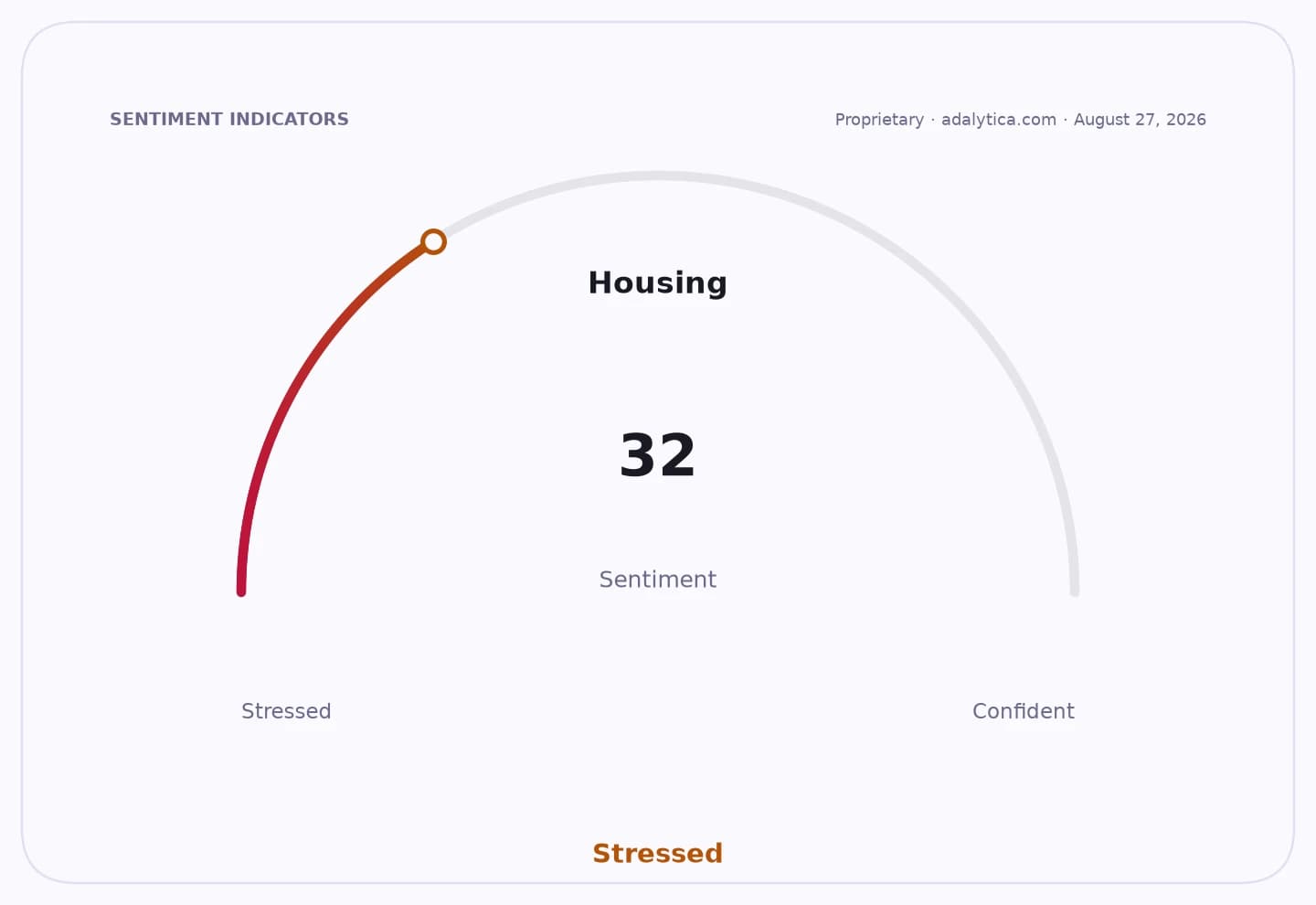
The State Duma’s proposal to help Russians build up savings for a mortgage points to a bigger economic problem: home loans remain too hard to qualify for, and policymakers are looking for ways to keep housing demand alive without relying entirely on cheap credit.
For investors, that matters because housing is one of the fastest ways a government can stimulate consumption, construction and bank lending. If households can accumulate down payments more steadily, more people can eventually enter the mortgage market, which supports developers, builders, materials suppliers and lenders. In a market where rates and affordability are still doing most of the damage, a savings-based bridge to homeownership is a practical way to widen the funnel.
The idea also suggests policymakers are trying to work around a familiar constraint. When mortgage rates are high or credit standards are tight, simply telling banks to lend more does not create buyers. A savings mechanism can help households get to the threshold required for a loan, which is important in economies where wage growth, inflation and housing prices often move against would-be buyers. That makes the proposal less about a short-term boost and more about keeping the housing system functioning over time.
The broader narrative is straightforward: Russia wants to preserve housing demand by helping families prepare for mortgages before they borrow. That is economically meaningful because housing has spillover effects far beyond the property market itself. More down payments can translate into more loan originations, more apartment sales, and eventually more activity in the industries that feed off construction.
There are still risks. If inflation remains sticky or financing costs stay elevated, a savings program may only ease the problem at the margins. And if state support becomes the main driver of housing demand, the market can remain dependent on policy rather than on organic purchasing power. But for long-term investors, the key takeaway is that policymakers are trying to stabilize a vital sector rather than let affordability freeze it.
For now, the proposal is worth watching as a signal that housing policy is shifting toward support for entry-level buyers. If it gains traction, the winners are likely to be banks, developers and construction-linked businesses. The losers would be would-be buyers without enough income to save even with government help, and any lender or seller expecting a quick return to broad-based demand.
| Entity | Gains | Losses |
|---|---|---|
| First-time homebuyers | ▲Easier path to down payment | ▼Still exposed to high prices |
| Banks | ▲More future mortgage demand | ▼Margin pressure if policy caps pricing |
| Developers and builders | ▲Stronger housing sales | ▼Slower market if plan is diluted |
| Cash-strapped households | ▲Government support to save | ▼Little relief if incomes lag |