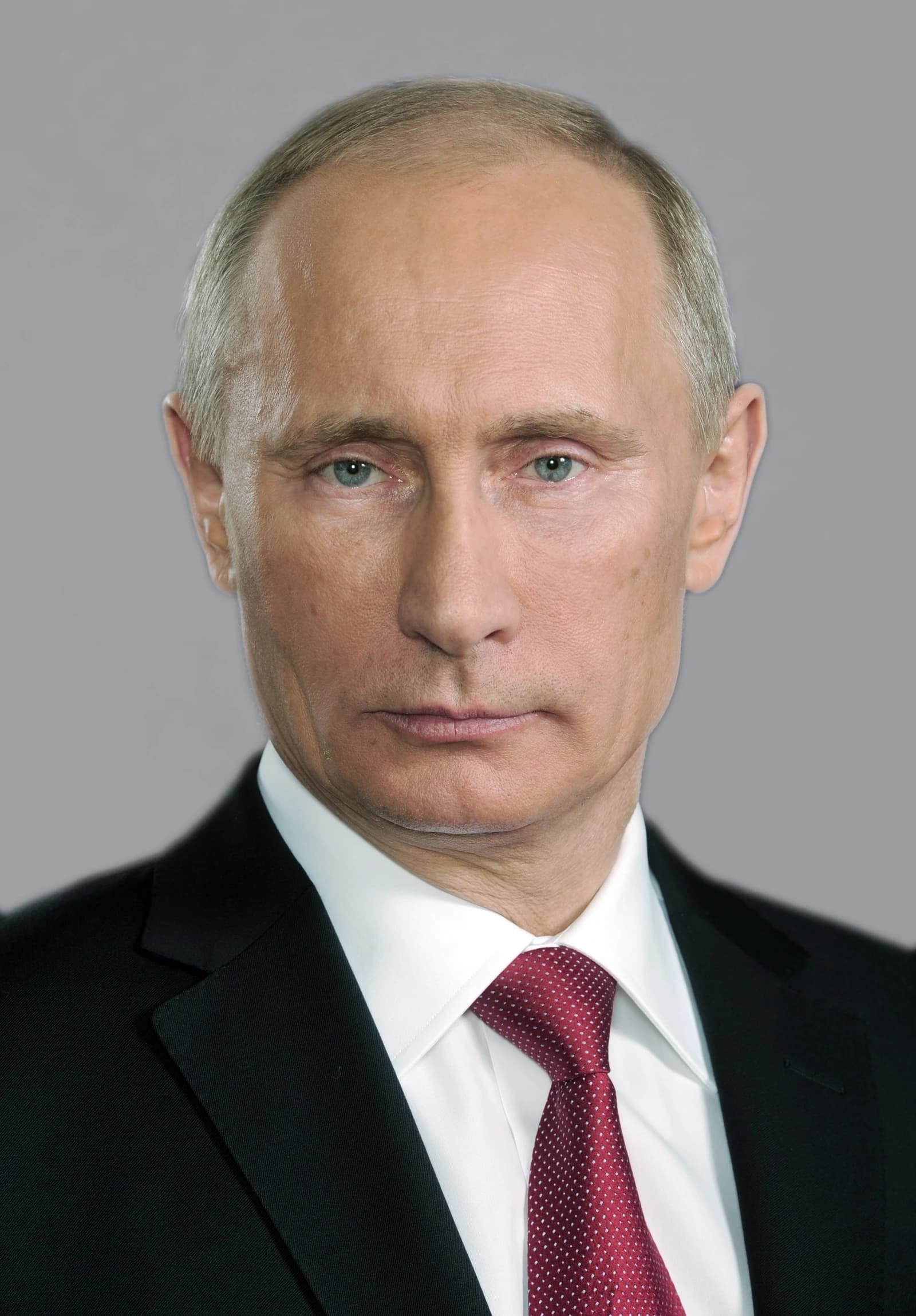
Russia’s Vladimir Putin denied that Moscow is fighting NATO, yet his warning that Western arms shipments could make them a target keeps geopolitical risk firmly priced into energy, credit and defense markets.
Russia-NATO Tensions Keep Oil Bid

The immediate market significance is the threat of a wider confrontation that could disrupt oil flows, lift inflation and keep borrowing costs elevated. Brent-linked exposure has already been bid up by the prospect of retaliation and tighter supply, while investors are still dealing with a policy backdrop that leaves little room for another shock.
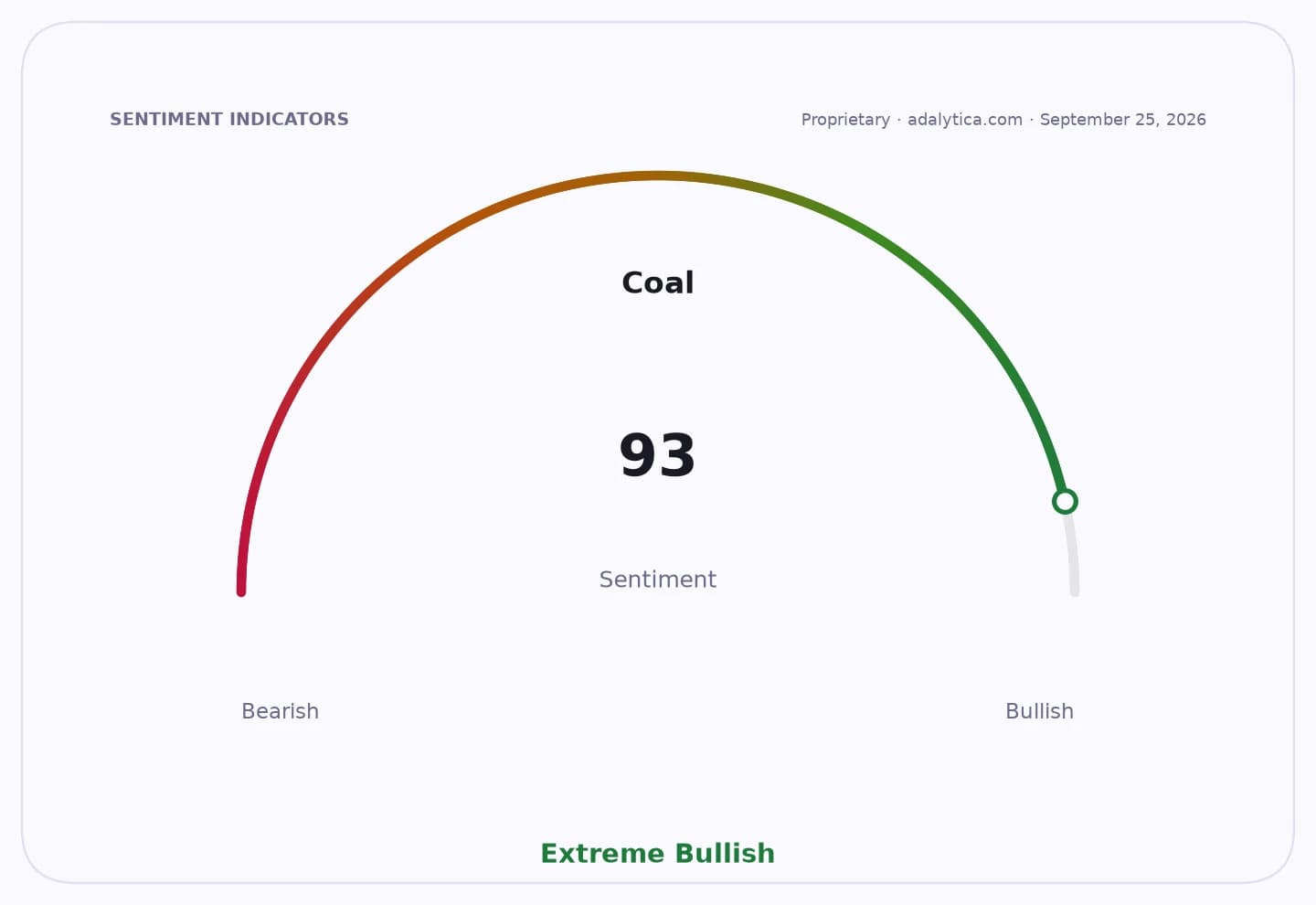
Sentiment IndicatorsⓘProprietary · adalytica.com · July 16, 2026
This is a snapshot — live sentiment, awareness and momentum for 130+ markets update continuously in the dashboard.Open AlphaPulse

U.S. crude was indicated around $78.15 a barrel for July 14, up from $72.45 on July 10 and close to the year’s recent highs, underscoring how quickly traders reprice risk when Russia-NATO tensions intensify. The jump matters because Russia remains one of the world’s key energy suppliers, and even the hint of escalation can ripple through diesel, shipping, airlines and the broader inflation outlook.
The move has also filtered into markets beyond oil. The U.S. 10-year Treasury yield held near 4.58%, reflecting a backdrop in which geopolitical stress can reinforce higher risk premia rather than trigger the flight-to-safety rally that dominated earlier crises. High-yield credit risk, as tracked by the ICE BofA option-adjusted spread, stood at 2.71%, showing investors are still alert to spillover stress if energy prices keep climbing.
Geopolitical Risk — 30-day sentimentadalytica.com
Explore this data interactively — full history, time series and cross-market comparisons.Open AlphaPulse
Energy equities have responded accordingly. The Energy Select Sector SPDR ETF, XLE, closed at 56.99 on July 16, above its 50-day moving average, with RSI readings near 68, a sign the sector has stayed bid as crude stabilizes near elevated levels. The SPDR S&P Oil & Gas Exploration & Production ETF, XOP, was even stronger at 166.79, also above its 50-day and 200-day averages, reflecting investor demand for producers that can benefit from sustained price pressure.
Gold has not been the main beneficiary this time, with GLD falling to 366.15 on July 16 from 372.35 a day earlier, after a powerful run earlier in the year. But the metal’s pullback does little to change the larger message: geopolitical risk is still being expressed more aggressively in oil and defense-linked assets than in classic safe havens.
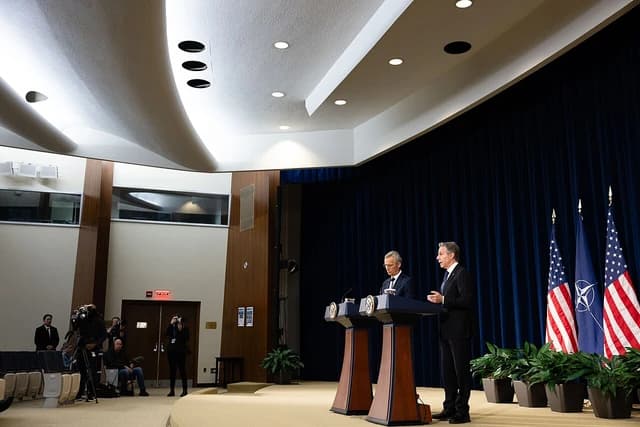
The broader context is a NATO alliance already under strain as Europe assumes more of the defense burden and members grapple with higher military spending. Putin’s denial lowers the immediate headline risk, but his warning preserves the tail risk investors care about most: a miscalculation that would hit energy markets first and then spill into inflation, rates and equities.
That keeps oil, defense contractors and European equities exposed to the next escalation, while importers, airlines and rate-sensitive stocks remain vulnerable if crude extends higher. The next catalyst is any fresh Russian reaction to NATO’s expanded role, along with movements in crude and Treasury yields that will show whether markets are treating the threat as rhetoric or a real escalation channel.
| Entity | Gains | Losses |
|---|---|---|
| Oil producers | ▲Higher crude prices | ▼Demand destruction risk |
| Energy ETFs XLE/XOP | ▲Sector inflows | ▼Volatility if tensions ease |
| Importers, airlines | ▲None | ▼Higher fuel costs |
| NATO defense planners | ▲More urgency for rearmament | ▼Higher budget pressure |