Russia sanctions push oil, defense and dollar trades
Washington’s new sanctions package on Russia is more than another diplomatic salvo: it tightens the screws on the world’s biggest sanctioned economy at a moment when energy markets, credit spreads and the dollar are already reacting to a broader rise in geopolitical stress.
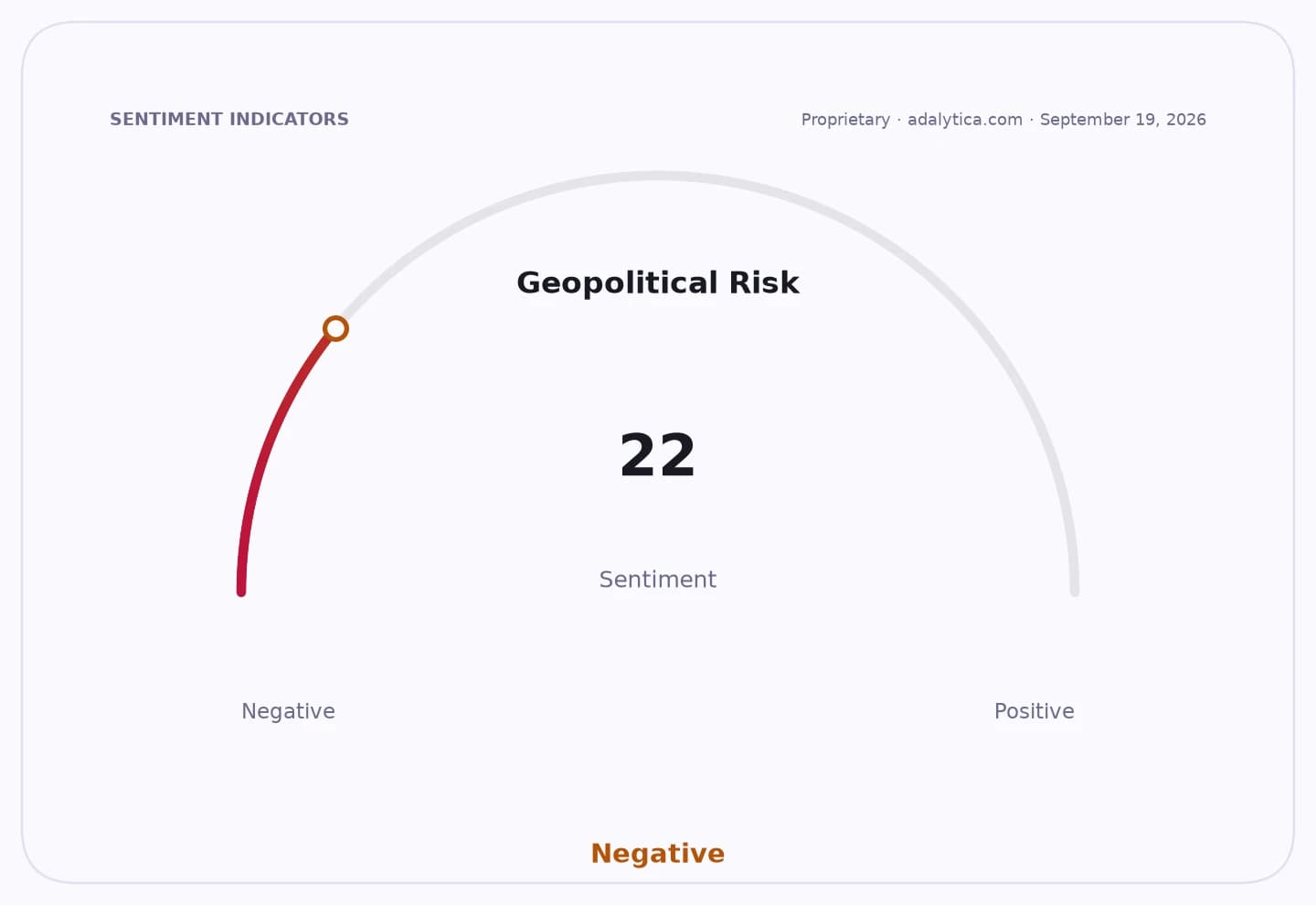
For investors, the key point is not just that the US Congress approved fresh measures against Moscow and its allies. It is that the market is being forced to reprice the possibility of a longer war premium, tighter supply chains and more persistent inflation pressure just as global stability sentiment remains deeply depressed. Adalytica’s Global Stability Sentiment gauge is in fear territory at 22, while the US dollar trade signal sits at an extreme-greed reading of 92, underscoring the reflexive move into safety when sanctions risk escalates.

That matters because sanctions are not a side issue to the macro backdrop — they are a direct input into energy, shipping, defense and FX markets. Russia remains a major exporter of crude, refined products and industrial commodities, so any new restrictions can ripple through the cost of transport, insurance and inventory planning far beyond Eastern Europe. The result is often a familiar mix: higher oil volatility, a stronger dollar, wider credit spreads for risk assets and better relative performance for defense and energy names.
Oil is already behaving as if geopolitical friction is becoming more embedded rather than temporary. USO, the oil ETF, has surged to $153.82 after touching $161.86 this week, with the 50-day moving average at $132.53 and the RSI still elevated at 75.4, a sign the market is stretched but not yet reversing its broader uptrend. The move reflects a simple investor truth: when sanctions tighten on a major producer, barrels do not disappear overnight, but the discount for disruption rises quickly.
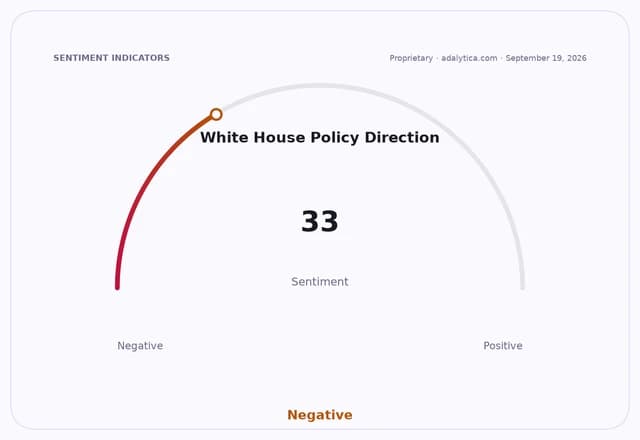
Credit markets are also telling the same story. The high-yield option-adjusted spread sits around 2.73 percentage points, still contained by historical standards but vulnerable to a fresh geopolitical shock if energy costs spill into inflation expectations and corporate margins. That is especially important with the 10-year Treasury yield near 4.98%, a level that leaves little room for policy error if sanctions-driven energy pressure forces markets to rethink the path for rates.
The market underestimates how much this favors the “toll road” businesses of geopolitics. Energy producers with scale, shippers, defense contractors and dollar-linked assets tend to benefit when the world moves from peacetime efficiency to sanction-era redundancy. Chevron and ExxonMobil are among the companies most exposed to sanctions policy because global restrictions reshape the economics of production, trading and asset access. Tanker operators and shipping names can also gain as rerouting, compliance and war-risk premiums lift the cost of moving oil and refined products.
The Kremlin’s warning that the measures will complicate peace talks only reinforces the market’s central worry: sanctions are no longer a temporary negotiating tool but part of a durable economic confrontation. That keeps a floor under crude, supports the case for hard assets and argues for continued exposure to defense, energy infrastructure and dollar-based liquidity plays rather than cyclical names that depend on calmer trade and lower input costs.
My takeaway is straightforward: this is a buy-the-suppliers, not the headlines, moment. The sanctions package is another reminder that geopolitical fragmentation is a secular theme, not an episodic risk. Investors should keep leaning into energy, defense, shipping and the dollar while staying cautious on rate-sensitive and margin-sensitive sectors that suffer when the world gets less stable.
| Entity | Gains | Losses |
|---|---|---|
| Energy producers | ▲Higher crude pricing | ▼Sanction compliance risk |
| Tanker/shipping firms | ▲War-risk premiums | ▼Route disruption |
| Defense contractors | ▲More military spending | ▼Peace-dividend hopes |
| Russia-linked assets | ▲— | ▼Tighter financial pressure |