Russia strike near Poland raises NATO risk

Russia’s strike near Poland has sharpened the market’s biggest geopolitical concern in Europe: that the war in Ukraine is edging closer to NATO territory and could force a broader security response from the alliance.
Kyiv said Moscow hit a train bound for Warsaw and areas near a border post on Sunday, with the attack taking place about two kilometers from Poland, according to Ukrainian officials. President Volodymyr Zelensky called the strike on the train deliberate, while Foreign Minister Andrii Sybiha said the bombardment showed the conflict was moving ever closer to the European Union and NATO frontier. The warning matters because even a limited spillover beyond Ukraine would raise the risk of a direct Russia-NATO confrontation, an outcome that would reshape European defense spending, energy security and investor appetite for regional assets.
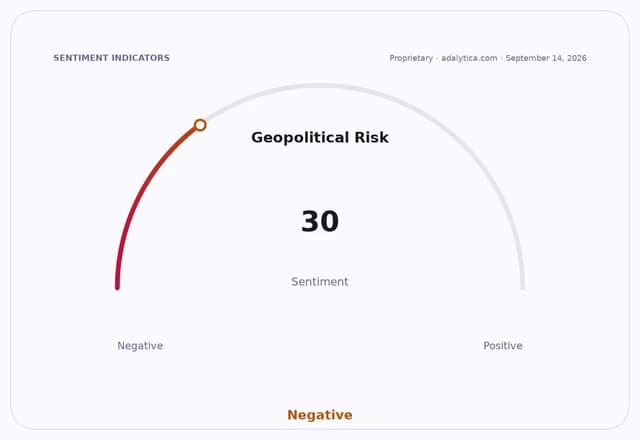
The episode adds to a broader pattern of escalation. Ukrainian officials have already been warning European allies about suspected Russian sabotage activity on European soil, while Russia has intensified attacks on Ukrainian infrastructure as the war approaches its fifth year. The alleged proximity of the strike to a NATO border also carries political weight: it tests alliance deterrence, increases pressure on Poland and other frontline states to harden defenses, and complicates any effort by Western capitals to argue that the conflict remains geographically contained.
For investors, the immediate impact is less about a single battlefield event than the chance that Europe’s risk premium rises again. Countries on NATO’s eastern flank, including Poland, typically benefit from expectations of higher defense outlays and stronger security-linked procurement, while regional currencies and equities can come under pressure when cross-border escalation dominates headlines. The geopolitical tone also supports demand for safe havens and can add volatility to the euro through its exposure to nearby growth and energy risks.
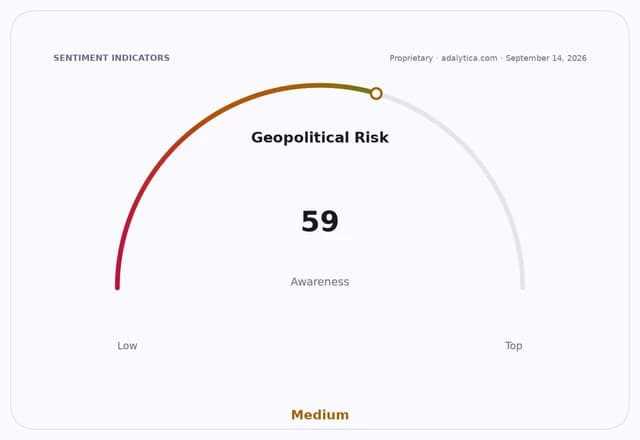
The report also comes as Washington signals a different line on the war. U.S. President Donald Trump called on Ukraine to stop attacking refineries inside Russia, a reminder that Kyiv’s campaign against Russian energy infrastructure remains politically contentious even among its backers. That divergence matters because it could constrain Ukraine’s room to escalate while leaving Russia’s pressure campaign on Ukrainian infrastructure intact.
The central question for markets is whether this is another close call or the start of a more dangerous phase in which the war increasingly tests NATO’s borders. If attacks keep moving westward, European defense contractors, border-security suppliers and Polish assets could draw a fresh bid, while any sign of direct NATO involvement would quickly overwhelm ordinary market drivers.
| Entity | Gains | Losses |
|---|---|---|
| Poland and NATO east flank | ▲stronger case for defense spending | ▼higher security risk |
| European defense firms | ▲more procurement urgency | ▼little downside from tension |
| Ukraine | ▲international alarm over Russian escalation | ▼pressure from spreading war zone |
| Russian assets and risk sentiment | ▲none | ▼wider sanctions and fear premium |