Russia succession risk grows around Putin exit
Russia’s next political shock may not come from an election, but from the question of who follows Vladimir Putin, with Western analysts naming seven men who could fight for the Kremlin after the 73-year-old leader eventually exits power.
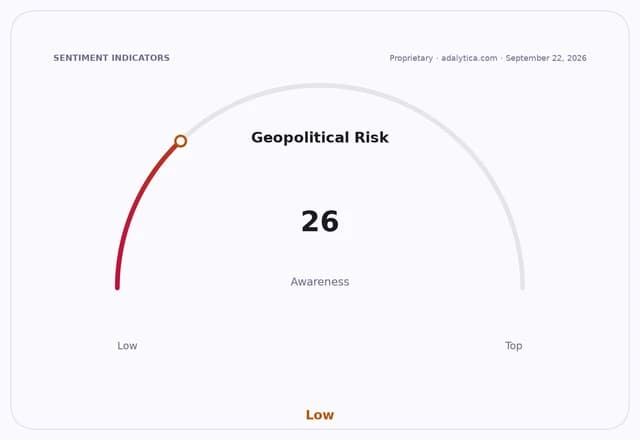
That matters because Putin’s system is built to prevent any obvious heir from emerging, which lowers the risk of an immediate palace challenge but raises the odds of a sudden and potentially destabilizing scramble if he dies in office or steps aside. For investors, that kind of succession uncertainty is a classic risk premium event for Russian assets, energy markets and broader geopolitical stability.
Putin is expected to cruise to another victory in Sunday’s parliamentary vote, extending a quarter-century in power and reinforcing the grip of United Russia in the State Duma. But the vote also underscores the central economic and political problem inside Russia: authority is concentrated in one man, while the state is increasingly organized around rival clans from the security services, the military and business elite.
The succession field, according to the Washington Post analysis cited in the source material, spans technocrats, security insiders and politically connected power brokers. That mix matters because a post-Putin transition is more likely to preserve the current authoritarian model than produce a clean break, limiting hopes for a policy reset on Ukraine, sanctions or state control of the economy.
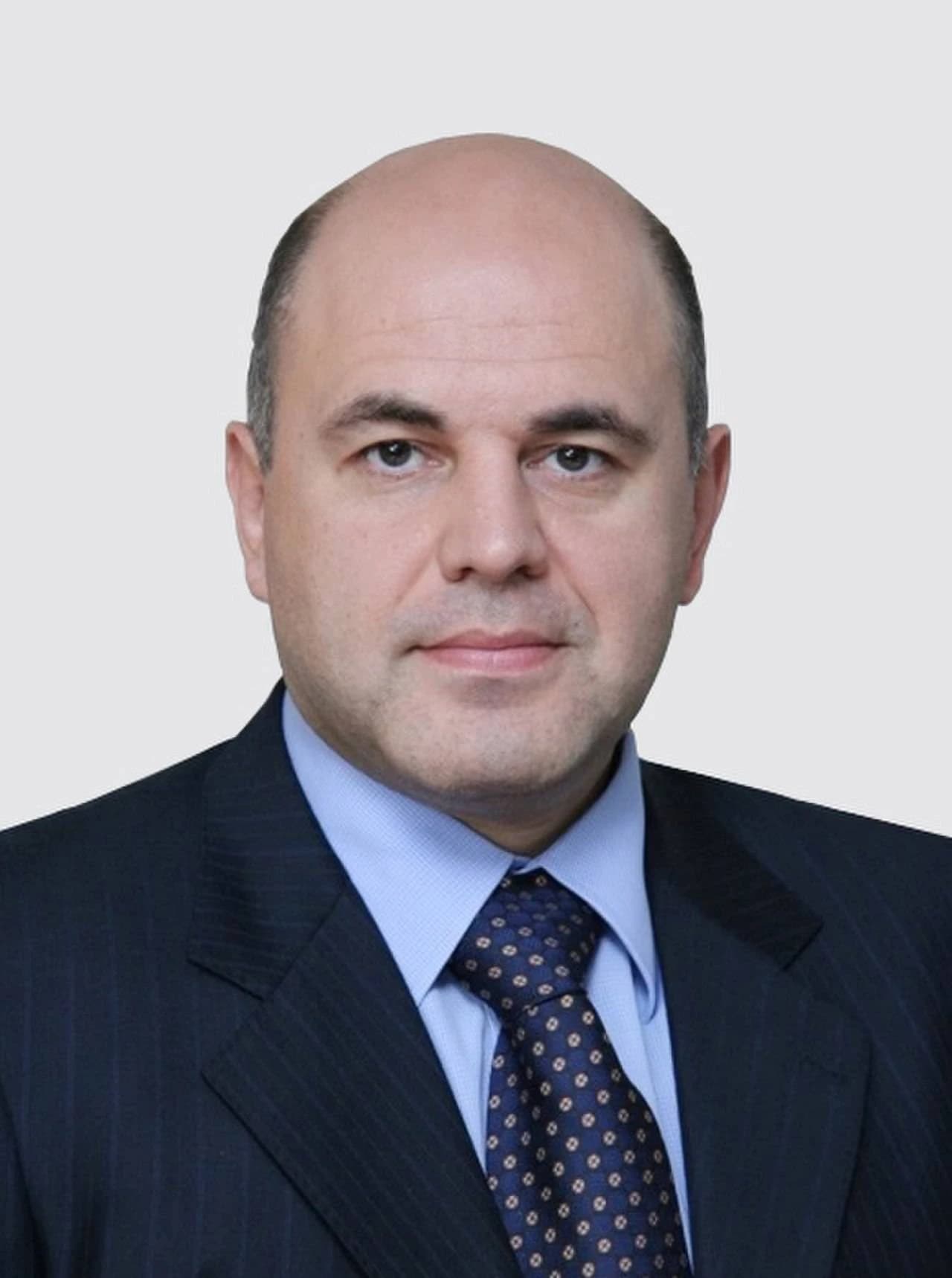
Mikhail Mishustin, the prime minister, is first in the formal line of succession and would automatically take over if needed, echoing Putin’s own rise after Boris Yeltsin resigned in 1999. He has built credibility as a managerial technocrat and has grown in stature through his role in the economy and military procurement, but he remains an outsider to the siloviki, the security elite that dominates Russia’s hard-power core.
Alexei Dyumin, a former Putin bodyguard and ex-deputy head of military intelligence, is one of the most security-heavy contenders. His résumé includes work at the GRU, special forces and the annexation of Crimea, giving him the kind of battlefield and loyalty credentials that could appeal to Russia’s wartime power brokers.
Dmitry Patrushev represents the next generation of the security establishment, backed by his father Nikolai Patrushev, one of Putin’s most trusted allies and a former FSB chief. Boris Kovalchuk, the son of oligarch Yuri Kovalchuk, reflects the power of the Kremlin’s business and media circle, while Denis Manturov is tied to Russia’s defense-industrial complex and has been elevated to keep industry aligned with the war effort.
Sergei Sobyanin, Moscow’s long-serving mayor, offers a more managerial path, with a reputation for urban modernization and appeal among business elites, while Sergei Kiriyenko has become a crucial Kremlin operator through his role in domestic politics, election management and the 2020 constitutional changes that allow Putin to remain in power until 2036.
For markets, the key takeaway is not that a transition is imminent, but that the system is increasingly defined by succession risk with no clear mechanism for a smooth handoff. That keeps a lid on any durable rerating of Russian risk, even as the war in Ukraine grinds on and the Kremlin continues to prioritize security, control and wartime mobilization over economic normalization.
| Entity | Gains | Losses |
|---|---|---|
| Putin loyalists | ▲preserve current power structure | ▼face succession uncertainty |
| Security elite / siloviki | ▲retain influence in transition | ▼risk factional infighting |
| Russian opposition | ▲potential opening after Putin | ▼remains shut out for now |
| Investors in Russian risk assets | ▲potential volatility opportunities | ▼higher political risk premium |