Russia SVR chief warns of wider Eurasia conflict
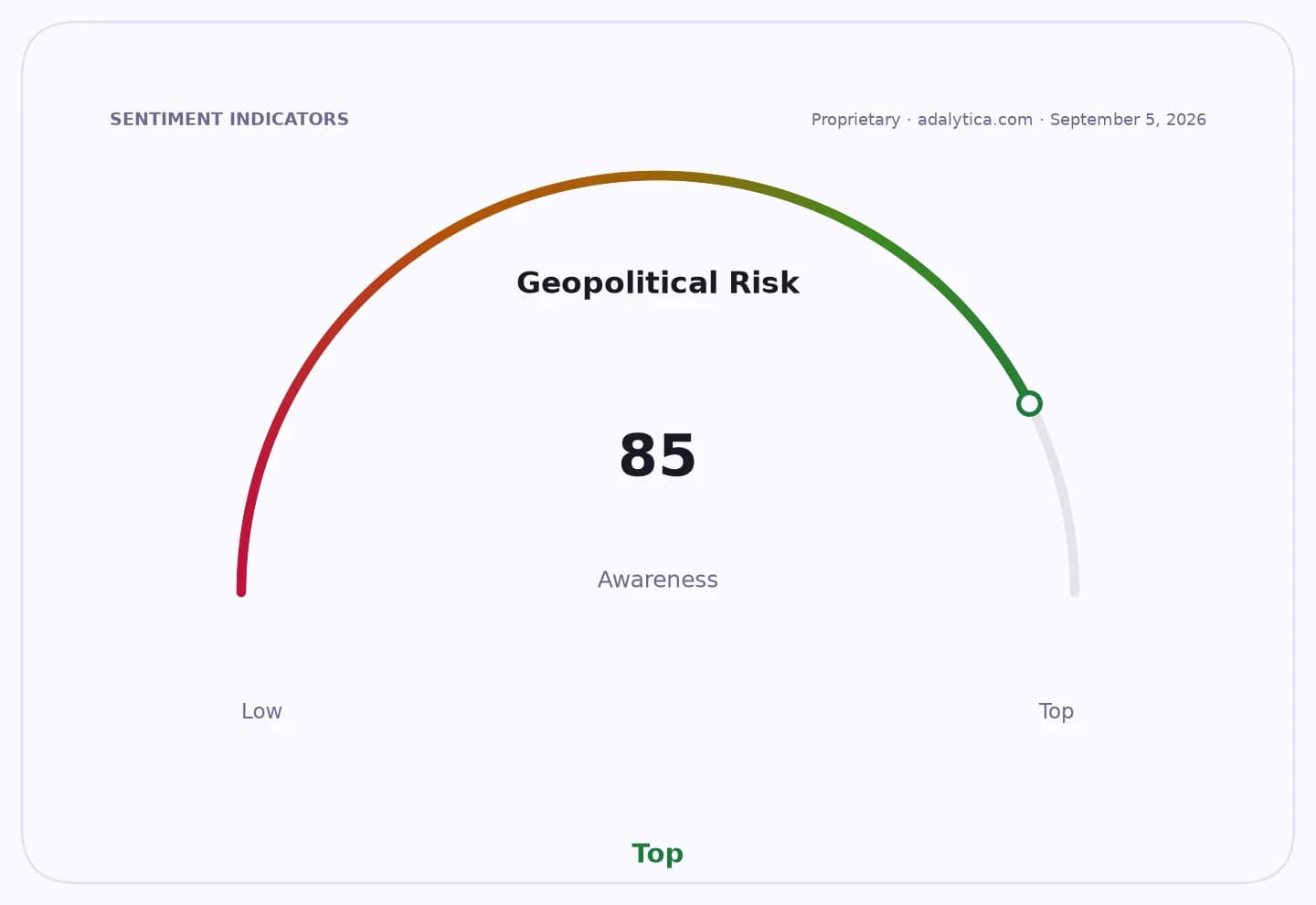
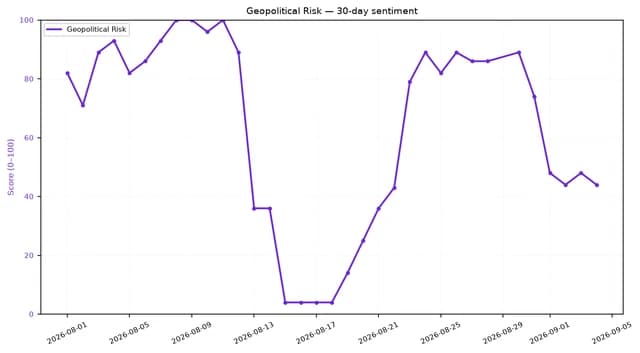
Russia’s foreign intelligence chief said the risk of a major conflict spreading across Eurasia is “quite real,” sharpening concerns that the war in Ukraine could keep dragging the continent toward a broader security crisis that is already reshaping European defense spending and investor positioning.
Serghei Naryshkin, head of Russia’s SVR, told a meeting of security agencies from former Soviet states that the escalation environment was so tense that even a minor event could trigger a wider breakdown, according to Russian state news agency TASS. His remarks matter because they reinforce how little room remains for diplomatic de-escalation while Europe’s security architecture is being rewritten around the prospect of a prolonged confrontation with Moscow.
Naryshkin pointed to the European Union’s 2025 defense strategy, which envisages preparing for a large-scale armed conflict by 2030 and identifies Russia as the main threat. That assessment is central to the investment case for Europe’s defense sector, infrastructure and industrial-capacity rebuild: if governments are committing to multi-year rearmament, the spending cycle is no longer a short-lived Ukraine trade but a structural fiscal shift.
The Russian official also said European politicians and corporations are using the perceived eastern threat to justify higher military spending, industrial reorientation and upgrades to roads and ports. Whatever the Kremlin’s framing, the underlying market reality is that defense budgets, logistics networks and heavy industry are being pulled deeper into a security-led capital cycle. For investors, that means continued support for European defense contractors, dual-use manufacturers and selected infrastructure names, even as valuations become more crowded.
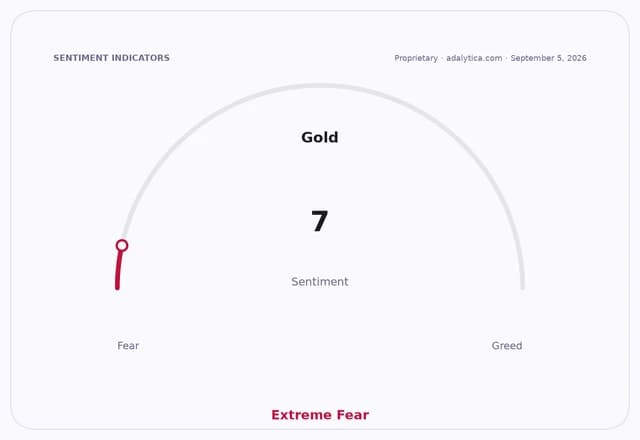
The comments land against a backdrop of persistent volatility in global risk assets. Gold, often a refuge in geopolitical stress, has pulled back sharply after a powerful run: GLD closed at $406.77 on Sept. 4, well above its 50-day moving average of $388.88, but the conventional RSI reading of 50.7 suggests momentum has cooled from overbought levels earlier this year. Adalytica’s Gold Fear & Greed Index was still showing “Extreme Fear,” underlining that safe-haven demand remains elevated even after the recent price pause.
Oil has also been sensitive to geopolitical risk, although the latest move has been more orderly than explosive. USO ended at $141.96 on Sept. 4, near its recent peak and above both the 50-day and 200-day moving averages, indicating that traders still assign a risk premium to supply disruption or broader regional instability. Yet Adalytica’s WTI signals showed “Extreme Fear” even as awareness stayed very high, suggesting the market is pricing uncertainty more than outright panic.
Equities have been steadier, with SPY closing at $770.19 on Sept. 4, but the index’s proximity to recent highs should not be mistaken for complacency. The conventional technical picture remains supportive, with the ETF above its 50-day and 200-day moving averages, but macro and geopolitical shocks tend to hit markets first through volatility, energy, defense and cyclicals before they show up in broad benchmarks.
For investors, the key question is not whether Moscow’s warning is sincere, but whether the policy response in Europe and NATO keeps intensifying. If the answer is yes, the trade favors defense, energy-security and infrastructure beneficiaries, while import-dependent manufacturers, transport-intensive sectors and regions exposed to higher fuel and financing costs remain vulnerable. If diplomacy gains traction, some of those premiums could unwind quickly, but Naryshkin’s remarks suggest the market should continue to treat Eurasian security risk as a live rather than hypothetical scenario.
| Entity | Gains | Losses |
|---|---|---|
| European defense contractors | ▲Higher military orders | ▼Peace dividend |
| Gold and safe-haven buyers | ▲Geopolitical hedging demand | ▼Risk-on appetite |
| Oil producers | ▲Risk premium on supply fears | ▼Energy importers |
| Broader European equities | ▲Select fiscal support | ▼Margin pressure from higher defense and energy costs |