Russia proposes tax changes on AliExpress and Amazon parcels

Parcels from AliExpress, Amazon and other foreign marketplaces are set to get more expensive as Russia moves to change the tax rules on cross-border e-commerce, a shift that could hit online shoppers, squeeze import-heavy retailers and give domestic sellers a price advantage.
The proposed changes matter because small-parcel imports have been one of the easiest ways for Russian consumers to buy cheaper foreign goods, especially electronics, household items and apparel. Adding tax costs to those shipments would raise final prices and narrow the gap with local products, potentially redirecting spending toward Russian platforms and domestic merchants.
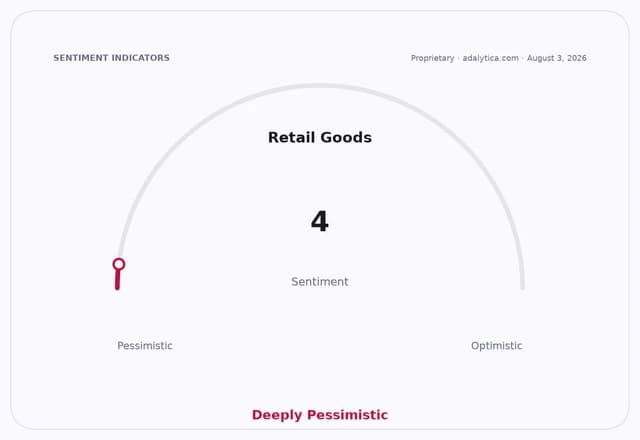
The policy also lands at a sensitive moment for consumer demand. Adalytica’s Retail Goods Spending Sentiment gauge is in “Extreme Fear” at 4, suggesting shoppers are already under pressure and may be quick to cut back if imported parcels become pricier. That matters for e-commerce players that rely on cross-border volume and thin margins.
For Amazon, the direct exposure is limited in Russia but the broader precedent matters because its 10-Q already flags rising tax collection obligations across jurisdictions, including new taxes on online marketplaces and remote sellers. Alibaba’s AliExpress, which has long been a major cross-border shopping channel in the region, is more directly tied to parcel flows that could be affected by the rule change.
The move fits a wider global trend: governments are targeting low-value imports to protect tax revenues and local retailers. A stronger U.S. dollar, with Adalytica’s trade-signal gauge showing “Extreme Greed,” can also reinforce the price gap on imported goods, but taxes and duties are increasingly doing the heavy lifting.
Investors will watch whether the rule change is broad enough to dent parcel volumes or whether merchants absorb some of the cost. The key risk is that higher import taxes slow cross-border commerce while giving local platforms and logistics groups a relative boost.
| Entity | Gains | Losses |
|---|---|---|
| Russian tax authorities | ▲Higher customs revenue | ▼Lower consumer affordability |
| Domestic retailers | ▲Price advantage | ▼Cross-border rivals |
| AliExpress / foreign sellers | ▲— | ▼Higher parcel costs, weaker demand |
| Amazon / marketplace peers | ▲Regulatory precedent clarity | ▼More tax compliance burden |